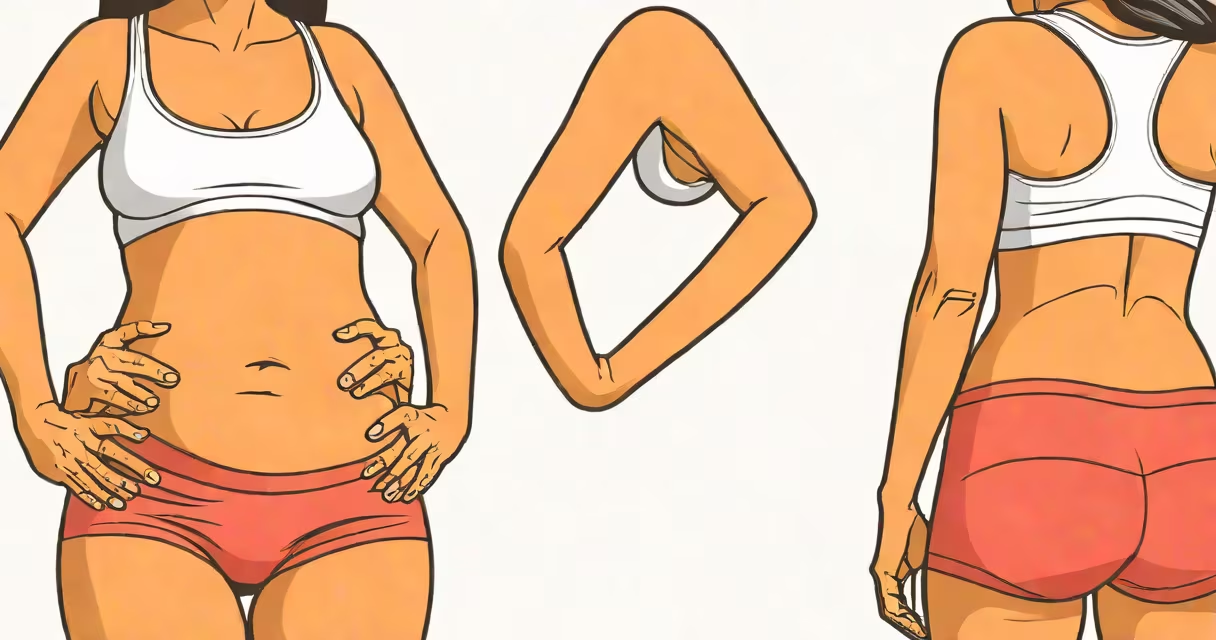
Getting a flat stomach requires reducing visceral and subcutaneous fat through consistent calorie control, resistance training targeting the core, and dietary habits that support metabolic health. This process is not about spot reduction but systemic fat loss combined with muscle toning.
Body fat distribution varies by genetics, sex, and hormones. Men typically store fat in the abdomen, while women often see accumulation in hips and thighs. A flat stomach emerges when abdominal fat decreases and underlying rectus abdominis muscles become visible due to low body fat percentage - generally below 16% for men and 24% for women, according to the American Council on Exercise (ACE).
Many assume that endless crunches or daily ab machines will flatten the stomach. That's incorrect. The core is a group of muscles including the transverse abdominis, internal and external obliques, and rectus abdominis. These work together during movement, not isolation. Training them effectively means integrating compound movements like deadlifts, planks, and rotational exercises into a routine.
Abdominal fat is stored in two layers: subcutaneous (just under the skin) and visceral (around organs). Visceral fat is metabolically active and linked to insulin resistance and cardiovascular risk. Reducing it improves both appearance and long-term health.
Research from the National Institutes of Health shows that combining aerobic exercise with strength training leads to greater reductions in visceral fat than either alone. Participants who performed 150 minutes of moderate-intensity cardio weekly alongside two days of resistance training lost an average of 4.5 cm in waist circumference over 12 weeks.
Calorie deficit remains the primary driver of fat loss. To lose one pound of fat, you need a 3,500-calorie deficit. Spreading this across daily meals and activity prevents extreme hunger and maintains lean mass. For example, cutting 500 calories per day results in approximately one pound of weight loss per week.
The most effective approach combines nutrition, movement, and recovery. No single factor dominates. Success depends on consistency across all three.
| Component | Recommended Action | Expected Outcome |
|---|---|---|
| Nutrition | Consume 1.6-2.2g protein/kg body weight daily; limit added sugars to under 10% of total calories. | Preserves muscle during fat loss; reduces bloating from insulin spikes. |
| Exercise | Perform 3-4 sessions per week: 2 strength-based (full-body), 1-2 cardio (moderate intensity). | Increases resting metabolic rate; reduces visceral fat. |
| Sleep & Stress | Aim for 7-8 hours nightly; practice mindfulness or breathwork to manage cortisol. | Lower cortisol reduces abdominal fat storage; supports recovery. |
One non-obvious fact: bloating can mimic a full stomach. Gas buildup from high-FODMAP foods (like onions, garlic, beans) or carbonated drinks may cause temporary swelling. Eliminating these for 7-10 days can reveal whether perceived fullness stems from water retention or actual fat gain.
I once trained a client who reported feeling "still bloated" despite dropping from 22% to 17% body fat. After removing carbonated beverages and tracking fiber intake, his waist measurement dropped by 2 inches within two weeks - not from fat loss, but reduced gas volume.
People often confuse a flat stomach with being thin. A person can have low body fat yet still carry excess abdominal skin or loose connective tissue after significant weight loss. This is not fixable through diet or exercise alone.
Another mistake is assuming that daily ab exercises build a flat stomach. Studies show that isolated ab training increases muscle thickness but doesn't reduce abdominal fat. Without fat loss, the results remain hidden beneath a layer of fat.
Some believe supplements like green tea extract or conjugated linoleic acid (CLA) accelerate fat loss. While CLA shows modest effects in clinical trials, the average reduction is less than 0.5 kg over 12 weeks. Results are inconsistent and not sufficient to replace diet and exercise.
Start with a baseline: measure waist circumference at the navel, track food intake for three days, and record sleep duration. Use this data to set goals.
Week 1-2: Focus on habit formation. Eat 10% fewer calories than maintenance. Choose whole foods: vegetables, lean proteins, complex carbs (oats, sweet potatoes), healthy fats (avocado, nuts). Perform full-body strength training twice weekly (e.g., squats, push-ups, rows).
Week 3-4: Increase activity. Add 20 minutes of brisk walking or cycling five days per week. Incorporate core stability drills: dead bug, bird-dog, side plank (3 sets of 30 seconds each).
After four weeks, reassess. If waist size hasn't decreased, adjust calorie intake by 100-200 kcal/day or increase daily step count by 1,000 steps. Avoid drastic cuts - they trigger metabolic adaptation and rebound weight gain.
Progress toward a flat stomach isn't linear. Plateaus occur around weeks 4-6. They're normal. Maintain consistency. Reassess variables: sleep quality, stress, hydration. Small adjustments often restart progress.
How can I get my stomach flat? By creating a sustainable lifestyle that prioritizes fat loss, muscle preservation, and digestive health. There is no magic move. But with deliberate choices, a flatter stomach becomes achievable - and maintainable.