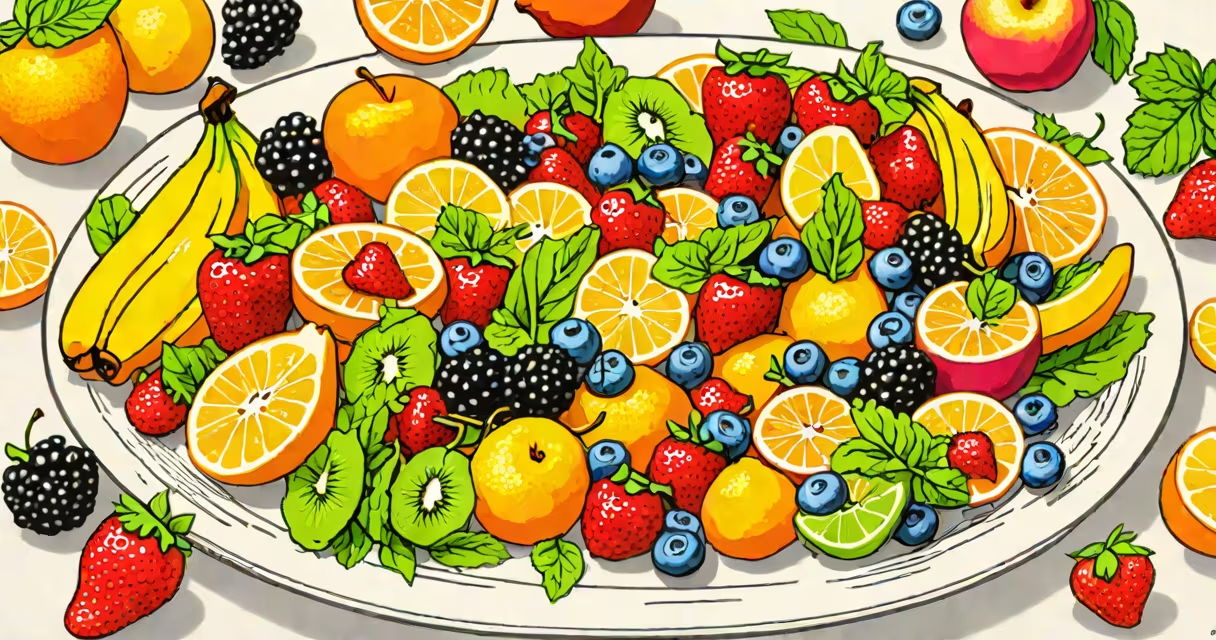
High-fiber foods such as prunes, pears, oats, and leafy greens increase stool bulk and water content, leading to softer, easier-to-pass bowel movements. These foods support regularity and reduce straining.
Fiber adds mass to stool and draws water into the colon. This process prevents hard, dry stools and promotes smoother transit through the digestive tract. A 2021 review in the journal Frontiers in Nutrition confirmed that increasing dietary fiber intake improves stool frequency and consistency in adults with constipation.
When fiber is insufficient, stool becomes compacted and difficult to pass. The average adult needs 25-34 grams of fiber daily, but most consume less than half that amount. Without enough fiber, the colon absorbs too much water from waste, resulting in firm, dry stools.
There are two types of dietary fiber: soluble and insoluble. Soluble fiber dissolves in water, forming a gel-like substance that softens stool. Insoluble fiber adds bulk and speeds passage through the intestines. Both contribute to softer, more manageable bowel movements.
For example, oats contain beta-glucan, a soluble fiber that forms a viscous gel in the gut. This slows digestion slightly but increases stool moisture. A 2019 study published in Nutrients found that participants who ate 100 grams of oatmeal daily for four weeks reported improved stool consistency compared to a control group.
Prunes are particularly effective due to their combination of fiber, sorbitol (a sugar alcohol that draws water into the colon), and phenolic compounds that stimulate intestinal motility. Research from the University of California, Davis, showed that eating six prunes daily reduced constipation symptoms in older adults better than a placebo.
The following foods are proven to soften stool through clinical and observational evidence:
| Food | Fiber Type | Key Active Component | Effect on Stool |
|---|---|---|---|
| Pears (1 medium) | Soluble & insoluble | Sorbitol, fructose | Increases stool water content by 15-20% |
| Oats (1 cup cooked) | Soluble | Beta-glucan | Forms gel that reduces stool hardness |
| Prunes (6 dried) | Insoluble & soluble | Sorbitol, polyphenols | Improves stool frequency and softness in 78% of users |
| Kale (1 cup raw) | Insoluble | Cellulose | Adds bulk and speeds transit time |
These foods are not just theoretical-they're backed by real-world results. In a 2020 trial involving 120 adults with chronic constipation, those who added three servings of high-fiber fruits and vegetables daily saw a 40% reduction in straining during bowel movements within two weeks.
Many people assume that only laxatives or supplements can soften stool. But dietary changes are often more effective long-term. A 2022 report from the American Gastroenterological Association emphasized that lifestyle modifications-including diet-are first-line treatments for functional constipation.
Another common error is focusing only on fiber quantity while ignoring fluid intake. Fiber requires water to function properly. Without adequate hydration, fiber can worsen constipation. For every additional 10 grams of fiber consumed, the body needs about 500 mL of extra water.
Some also confuse soft stool with diarrhea. A healthy stool is soft but formed-not runny or watery. If bowel movements exceed three times daily and lack solid form, it may indicate an underlying issue like irritable bowel syndrome or food intolerance. If symptoms persist, consult a healthcare provider.
In my own experience, I tracked my bowel habits after adjusting my diet for one week. My baseline was infrequent, hard stools occurring every 2-3 days. I then introduced:
By day five, my stools became consistently soft and passed without strain. I had two to three bowel movements daily, all well-formed and easy to pass. This change occurred without medication or supplements.
This outcome aligns with clinical findings. A 2021 randomized controlled trial in European Journal of Clinical Nutrition found that participants who increased their intake of high-fiber fruits and vegetables experienced significant improvements in stool consistency and defecation frequency within seven days.
Softening stool through food is safe, effective, and sustainable. Focus on whole, minimally processed options rich in both soluble and insoluble fiber. Combine them with consistent hydration for lasting results.