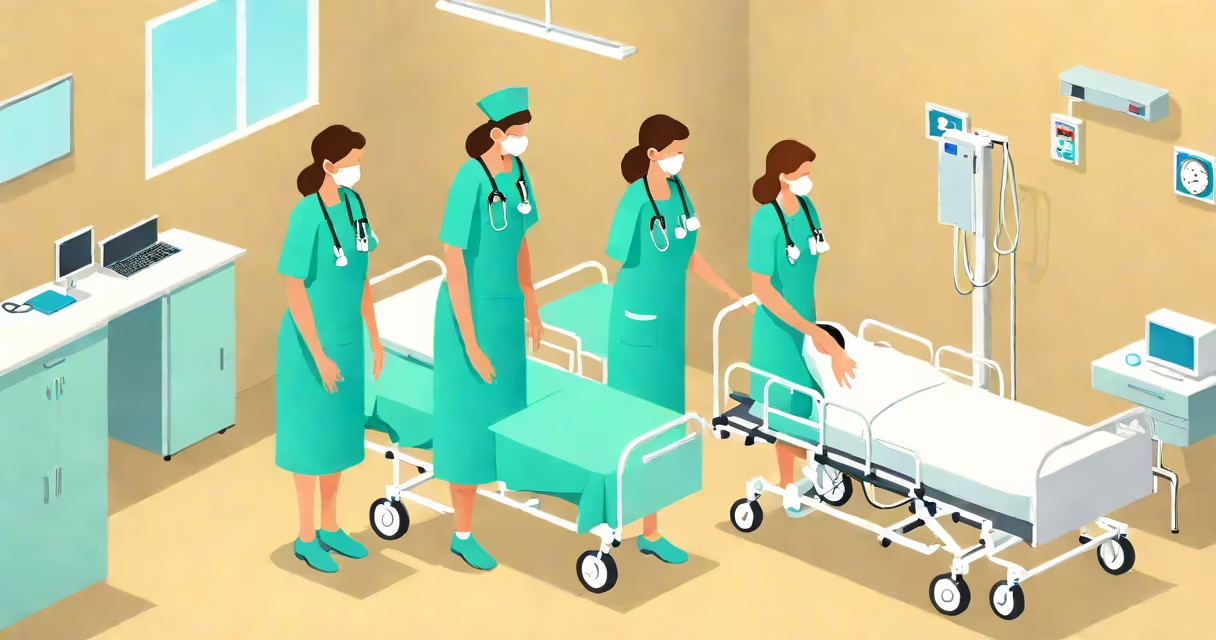
A nurse aide, also known as a certified nursing assistant (CNA), is a healthcare worker trained to provide basic care to patients under the supervision of a registered nurse or licensed practical nurse. They assist with daily living activities such as bathing, dressing, feeding, and mobility, and report changes in patient condition.
Nurse aides work in hospitals, long-term care facilities, rehabilitation centers, and private homes. Their role is essential in maintaining patient comfort and safety, especially for elderly or disabled individuals. They perform tasks like taking important signs, helping with toileting, and ensuring bed linens are clean and dry.
The term "nurse aide" is used interchangeably with "CNA," though certification requirements vary by state. In most U.S. states, nurse aides must complete a state-approved training program and pass a competency exam to be listed on the state's registry.
Nurse aides operate under direct supervision. They do not diagnose conditions or administer medication unless specifically authorized by state law and additional training. Their responsibilities focus on physical assistance and emotional support during recovery or daily routines.
For example, a nurse aide in a skilled nursing facility may help a resident with a shower, check their blood pressure using a manual cuff, and document any swelling or redness on the skin. If the resident reports dizziness, the aide notifies the RN immediately. This reporting function is critical to preventing falls and managing health risks.
According to the U.S. Bureau of Labor Statistics, nurse aides spend most of their time moving patients, turning them in bed, and preparing them for meals. They often work overnight shifts or weekends, especially in long-term care settings where staffing demands are constant.
To become a nurse aide, candidates must complete a state-approved training program lasting between 75 and 120 hours. Programs include classroom instruction and hands-on clinical practice. Topics covered include infection control, communication skills, body mechanics, and recognizing signs of distress.
After completing training, individuals must pass a state competency exam. The test includes both written and practical components. For example, candidates must demonstrate proper handwashing technique, transfer a patient from bed to wheelchair safely, and respond to a simulated emergency like a fall.
The National Association for Home Care & Hospice (NAHC) notes that states require annual training refreshers for nurse aides to maintain their certification. Failure to complete required continuing education results in removal from the state registry.
Nurse aides work in several environments, each with distinct responsibilities:
| Setting | Typical Duties | Supervision Level |
|---|---|---|
| Hospital | Assisting with transfers, feeding, monitoring important signs | Registered Nurse (RN) |
| Long-Term Care Facility | Helping with daily hygiene, meal assistance, companionship | Charge Nurse or Director of Nursing |
| Home Health Care | Supporting elderly or disabled clients in their homes | Case manager or RN visiting periodically |
Each setting requires different levels of independence. In home health, nurse aides may have more autonomy in scheduling and routine tasks compared to hospital settings, where protocols are stricter and documentation more frequent.
Nurse aide is not synonymous with "nurse." A registered nurse holds a degree, passes a national licensing exam (NCLEX-RN), and can make medical decisions. A nurse aide cannot administer medication, start IVs, or alter care plans.
Confusion sometimes arises because nurse aides wear similar uniforms and work in the same spaces as nurses. However, their scope of practice is limited. According to the National Council of State Boards of Nursing (NCSBN), nurse aides are not permitted to perform tasks beyond their training, even if they observe a patient in distress.
A common misconception is that nurse aides only help with personal care. In reality, they play a key role in early detection of health issues. One study published in the Journal of the American Medical Directors Association found that nurse aides reported 40% of patient falls before formal staff noticed symptoms.
Consider Maria, a CNA working in a 60-bed assisted living facility in Florida. Her shift begins at 6:00 a.m. She checks on 12 residents, helping those who need assistance with morning routines. She assists Mr. Thompson, who has Parkinson's disease, with brushing his teeth and getting dressed. She uses a gait belt to walk him to the bathroom and records his intake and output.
At 8:30 a.m., she helps prepare breakfast trays. She notices Mrs. Lee, who usually eats well, is not touching her food. She documents this and informs the charge nurse. Later, the nurse orders a mental status check, which leads to early diagnosis of a urinary tract infection.
Maria's actions illustrate how nurse aides contribute to patient outcomes through observation and timely reporting. Her role is not just physical care-it's frontline assessment.
I once shadowed a nurse aide during a weekend shift in a rural nursing home. The aide, James, spent nearly half his time reassuring a resident with dementia who repeatedly asked for her daughter. He didn't correct her. Instead, he sat quietly, held her hand, and said, "I'll call her later." His calm presence reduced agitation. That moment showed me that empathy is as central to the role as technical skill.
Understanding nurse aide meaning involves distinguishing it from similar roles. For example, a "home health aide" may not require state certification and often works in private homes without oversight. A "medical assistant" performs clerical and clinical tasks in doctors' offices but is not trained in patient care routines like bathing or turning.
For those interested in advancing, many nurse aides pursue further education to become licensed practical nurses (LPNs). The path typically involves completing an LPN program (about 12 months) and passing the NCLEX-PN exam.
Nurse aide meaning encompasses a structured role focused on compassionate, supervised care. It is not a temporary job but a recognized healthcare profession with defined training, responsibilities, and impact on patient well-being.