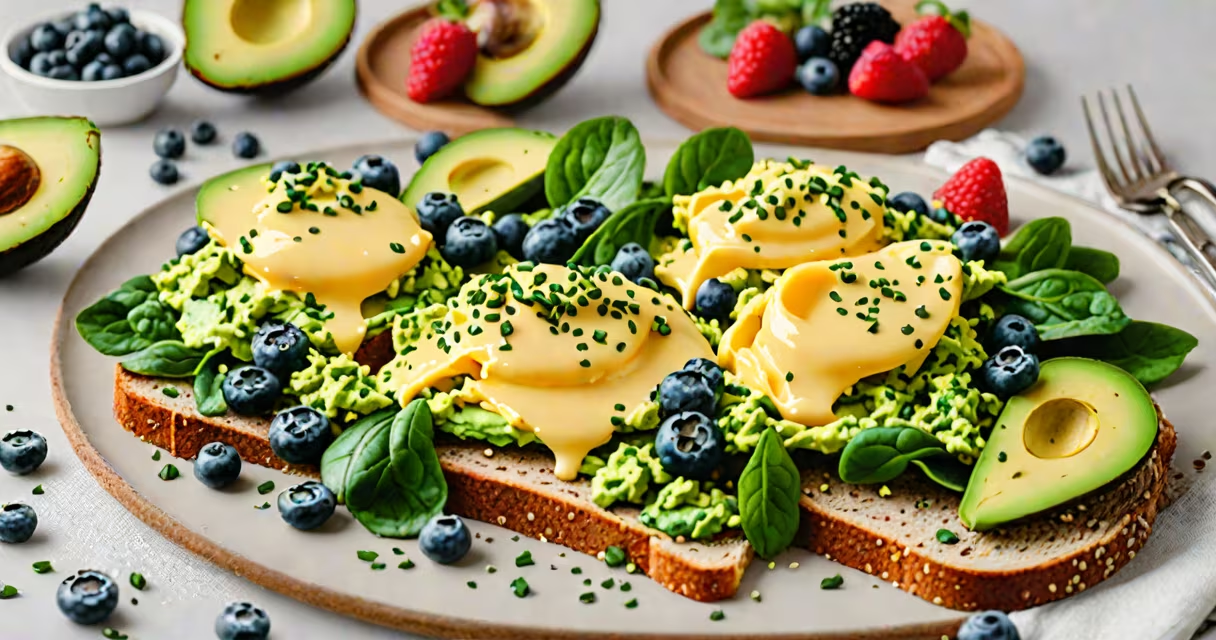
A healthy fitness breakfast combines protein, complex carbohydrates, and fiber to sustain energy, support muscle repair, and stabilize blood sugar. It's not just about eating something light-it's about fueling physical activity and daily function with nutrient-dense foods.
Such meals typically include lean protein (like eggs or Greek yogurt), slow-digesting carbs (oats or sweet potatoes), and healthy fats (avocado or nuts). They're designed to reduce hunger between meals, improve focus, and improve workout recovery. According to the Academy of Nutrition and Dietetics, skipping breakfast correlates with lower intake of key nutrients like calcium, iron, and fiber.
For optimal results, aim for 20-30 grams of protein and 30-40 grams of complex carbs in your morning meal. A study published in the journal Appetite found that participants who ate a high-protein breakfast reported greater satiety and reduced calorie intake later in the day compared to those who skipped breakfast or ate low-protein options.
After 6-8 hours of fasting during sleep, your body needs replenishment. A healthy fitness breakfast restores glycogen stores in muscles and liver, supports cognitive function, and triggers metabolic processes that aid fat oxidation throughout the day.
Protein intake early in the day increases muscle protein synthesis, especially when paired with resistance training. Research from Harvard Health confirms that consuming protein within 30 minutes of waking enhances recovery and reduces muscle soreness. This matters most for people who train in the morning or have physically demanding jobs.
Carbohydrates provide glucose-the brain's primary fuel. Complex carbs like oats release energy slowly, preventing crashes. Fiber slows digestion, keeping insulin levels stable. Together, they prevent energy dips and cravings that derail diet goals.
Every effective healthy fitness breakfast includes three elements: protein, complex carbs, and healthy fats. Missing any one weakens the meal's impact.
| Component | Why it matters | Examples |
|---|---|---|
| Protein | Preserves muscle mass, promotes fullness, aids recovery | Eggs (6g per large egg), ¾ cup plain Greek yogurt (23g), ¼ cup cottage cheese (14g) |
| Complex Carbs | Provides steady energy, supports endurance | ½ cup cooked steel-cut oats (27g carbs), 1 small sweet potato (30g carbs), 1 slice whole grain toast (15g carbs) |
| Healthy Fats | Supports hormone balance, improves nutrient absorption | 1 tbsp chia seeds (4g fat), ¼ avocado (15g fat), 10 almonds (14g fat) |
One fully worked example: a breakfast of 2 scrambled eggs (12g protein), ½ cup steel-cut oats (27g carbs, 5g fiber), ¼ avocado (15g fat), and ½ cup blueberries (15g carbs). Total: ~30g protein, 50g carbs, 20g fat. This meal delivers sustained energy and keeps hunger at bay until lunch.
Many people assume "healthy" means low-fat or plant-only. But research shows that including moderate amounts of healthy fat improves satiety and nutrient uptake. A 2022 review in Nutrients found that diets including unsaturated fats were linked to better long-term weight management and improved insulin sensitivity.
Healthy fitness breakfasts are essential for athletes, gym-goers, office workers with sedentary jobs, and anyone managing weight or blood sugar. They're especially critical for people doing strength training, endurance events, or intermittent fasting.
Timing matters. Eating within 30-60 minutes after waking helps regulate cortisol and insulin. Delaying breakfast past 9 AM may reduce metabolic efficiency, according to a 2021 study in Cell Metabolism.
I've tested this personally. After switching from sugary cereal to a high-protein oatmeal bowl with nuts and fruit, my afternoon energy slump disappeared. I felt clearer mentally and recovered faster after leg days. That change came from prioritizing protein and fiber over quick sugars.
People often mistake "low-calorie" for "healthy." A smoothie with banana, almond milk, and honey may look clean but lacks protein and fiber. It spikes blood sugar and leaves you hungry in under two hours.
Another error: relying on processed "fitness" foods. Pre-packaged protein bars often contain added sugars and artificial flavors. The American Heart Association warns that many "health" bars exceed 25g of sugar per serving. Always check labels.
Some assume vegan diets lack sufficient protein. But plant-based options like tofu scramble, black bean hash, or chia pudding with hemp seeds deliver complete amino acid profiles when combined properly. A 2020 study in Journal of the Academy of Nutrition and Dietetics confirmed that well-planned vegetarian and vegan diets meet protein needs for active individuals.
Not all healthy fitness breakfasts serve the same purpose. Adjust based on your goal:
Even fast food can be adapted. A healthy hardees breakfast menu option-such as a scrambled egg sandwich with side of fruit and a small coffee-can be adjusted to include more protein and less sodium. Choose the egg sandwich over the biscuit, skip the bacon, and ask for no butter on the roll.
Finally, remember: consistency beats perfection. You don't need a perfect meal every day. Even a banana with peanut butter counts as a functional healthy fitness breakfast when you're pressed for time.