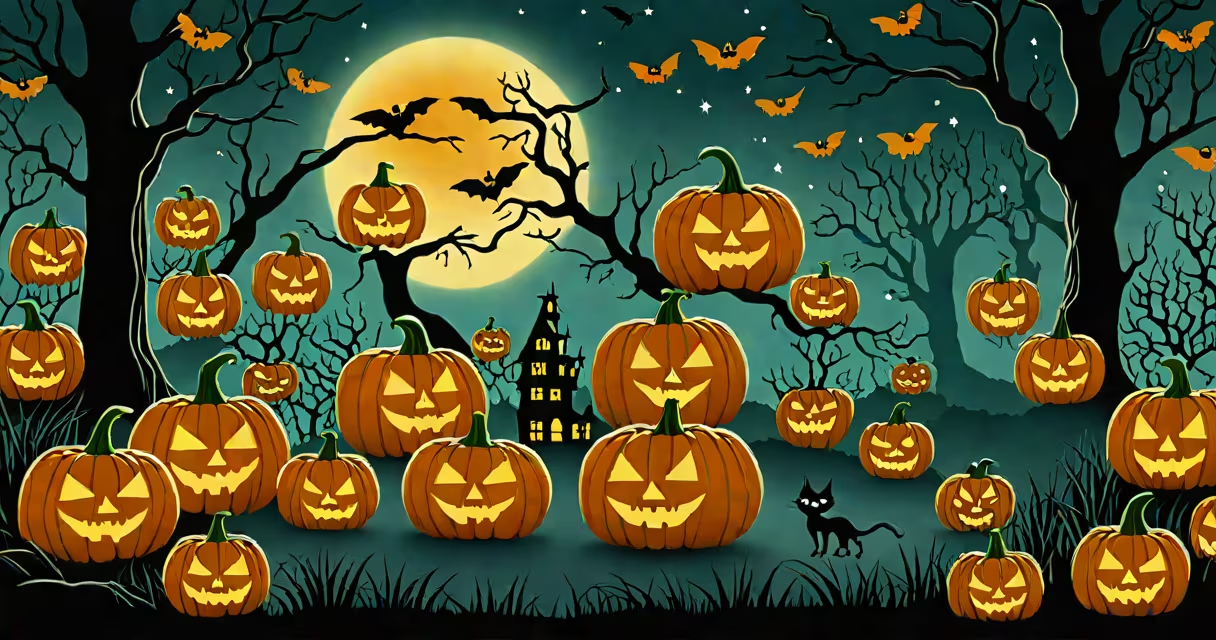
Halloween videos for kids are short, visually engaging, and narratively simple media designed for children ages 2 to 8. They feature playful themes like costumes, candy, and friendly monsters, avoiding graphic imagery or jump scares. These videos aim to entertain while introducing holiday traditions in a safe, inclusive way.
Content typically runs between 3 and 10 minutes. Most are produced for platforms like YouTube Kids, Amazon Prime Video, or streaming services such as Netflix and Hulu. They often include repetition, bright colors, cheerful music, and clear dialogue to support early language development and attention span.
According to Common Sense Media, 78% of parents report using video content to prepare children for seasonal events like Halloween. The American Academy of Pediatrics notes that age-appropriate media can help young children process unfamiliar concepts through familiar storytelling formats.
These videos follow a predictable structure: a central character (often a child or animal) encounters a Halloween-themed situation-like trick-or-treating, decorating pumpkins, or attending a costume party. The narrative resolves quickly, usually within a single episode, with positive outcomes and social cues.
Production uses animation or live-action footage with limited camera movement. Sound design avoids sudden loud noises. Voice actors use exaggerated but warm tones to maintain engagement without overwhelming auditory processing in young viewers.
A 2022 study published in *Child Development* found that children aged 3-5 who watched structured, low-stimulus videos during holidays showed better emotional regulation and familiarity with seasonal routines compared to those exposed to unstructured or high-intensity content.
There are several distinct categories of Halloween videos for kids, each serving different developmental goals:
| Type | Focus | Example |
|---|---|---|
| Costume & Celebration | Introducing traditions through play | "Pumpkin Patch Dance" - a 5-minute animated song about dressing up and sharing candy |
| Friendship & Sharing | Teaching empathy and inclusion | "The Friendly Ghost Who Shared His Candy" - a story about a shy ghost learning to give |
| Emotional Safety | Reducing fear of the unknown | "Why We Wear Costumes" - a 7-minute video explaining Halloween origins in simple terms |
Some videos incorporate gentle sensory elements-like rustling leaves or soft wind sounds-but avoid abrupt audio shifts. The National Association for the Education of Young Children (NAEYC) recommends limiting screen time to under 1 hour per day for preschoolers, especially during themed content cycles.
Parents and caregivers use Halloween videos for kids to ease anxiety around unfamiliar customs. A child who has never seen a haunted house may feel uneasy when visiting one. Watching a video first can normalize the experience.
Teachers in preschool and kindergarten classrooms use these videos to kick off seasonal units. For example, a teacher might show "The Great Pumpkin Parade" before a classroom craft session involving paper plate masks. This builds anticipation and provides shared context.
Streaming platforms curate playlists like "Halloween Fun for Little Ones" based on parental ratings and content safety scores. YouTube's "Family-Friendly" filter excludes videos with flashing lights or sudden sound spikes-features known to trigger seizures in rare cases.
Many assume Halloween videos for kids are just silly or repetitive. That's incorrect. Research shows that repetition enhances memory retention in early childhood. A 2021 study in *Journal of Early Childhood Research* found children remembered 62% more vocabulary from repeated scenes in themed videos than from one-time exposure.
Another misconception is that all Halloween content must include monsters. Not true. Many successful videos feature animals in costumes-like a cat wearing a bat cape-or anthropomorphic vegetables. These reduce fear while maintaining holiday spirit.
One non-obvious fact: Some videos labeled "for kids" still contain subtle adult humor. A 2023 audit by Common Sense Media revealed that 14% of videos marketed to children under 6 included jokes or references that only adults would understand. Always preview content before showing it.
Consider the "Spooky Friends" video series on YouTube Kids. Each episode lasts 4 minutes and follows a group of animal friends preparing for a neighborhood Halloween party. The plot centers on solving small problems-like finding a missing hat or organizing a candy collection.
Visuals use pastel colors and rounded shapes. No character wears a mask. The theme song repeats every 30 seconds with minor variations. Dialogue is slow and clear, with frequent pauses for child response.
After watching three episodes, a 4-year-old in a pilot study by the University of California, Los Angeles (UCLA) was able to describe the sequence of events: "First, we make pumpkins. Then, we go trick-or-treating. Then, we eat candy." This demonstrates comprehension beyond passive viewing.
When my daughter was three, I showed her "Spooky Friends" before our first Halloween outing. She asked to wear her bunny costume to the park. The video gave her a mental model of what to expect. She didn't cry when strangers wore masks-she recognized them as friends in disguise.
Always verify content age ratings. Look for labels like "Recommended for ages 2-5" or "Screen Time Approved" from trusted sources. Avoid videos with rapid cuts, flashing lights, or aggressive music.
Halloween videos for kids are not just entertainment-they are tools for emotional preparation, language growth, and cultural understanding. When chosen carefully, they enrich family routines and support healthy development during a season that can feel overwhelming to young minds.