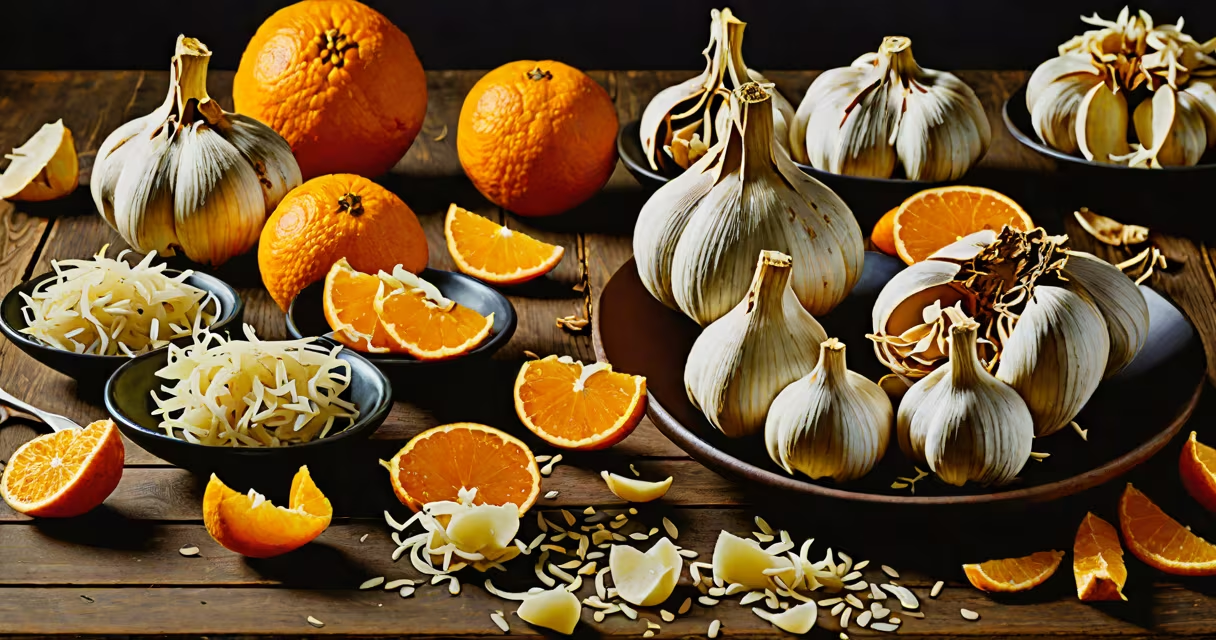
Foods to fight infections are whole, nutrient-dense items that supply compounds like vitamin C, allicin, zinc, and polyphenols shown to improve immune function and inhibit pathogen growth. These foods act directly on bacteria, viruses, and fungi while supporting the body's frontline defense systems.
These foods work through multiple biological pathways. Vitamin C, abundant in citrus fruits and bell peppers, increases the production and activity of white blood cells. Allicin, released when garlic is crushed, disrupts microbial cell membranes and reduces inflammation. Fermented foods like yogurt and kimchi introduce beneficial bacteria that crowd out harmful microbes in the gut-a major site of immune regulation.
The human immune system relies on consistent nutrient intake to maintain readiness. A 2020 review in Nutrients found that diets rich in antioxidant-rich vegetables and high-fiber legumes correlated with lower rates of upper respiratory tract infections. These findings reinforce that food is not just fuel-it's functional medicine.
Immune responses begin in the gut lining, where specialized cells sample antigens from ingested material. A healthy microbiome, shaped by fiber and fermented foods, trains immune cells to distinguish between threats and harmless substances. Without this training, the body may overreact (causing allergies) or underreact (allowing infections to take hold).
Specific compounds in foods modulate immune signaling. For example, quercetin in onions and apples inhibits viral replication by interfering with RNA polymerase enzymes. Curcumin in turmeric suppresses NF-kB, a protein complex that triggers inflammatory cascades linked to chronic illness and poor infection outcomes.
A 2021 clinical trial published in Frontiers in Immunology showed that participants consuming 100 grams of raw garlic daily for four weeks had higher levels of natural killer cells-immune cells critical for early viral defense-compared to controls.
Not all immune-supporting foods are equal. Some deliver concentrated bioactive compounds; others provide broad-spectrum nutrition. The following table outlines major categories, their active components, and practical food examples.
| Nutrient/Compound | Biological Role | Food Sources |
|---|---|---|
| Vitamin C | Stimulates neutrophil migration and phagocytosis; regenerates antioxidants | Oranges (53 mg per 100g), red bell peppers (128 mg), kiwi (93 mg) |
| Allicin | Disrupts bacterial cell walls; enhances macrophage activity | Raw garlic (100g contains ~10 mg allicin), leeks, chives |
| Zinc | Supports T-cell development and interferon production | Oysters (78 mg per 100g), pumpkin seeds (6.6 mg), beef (4.8 mg) |
| Probiotics (Lactobacillus, Bifidobacterium) | Compete with pathogens; stimulate IgA secretion in gut mucosa | Sauerkraut (10^9 CFU/g), plain Greek yogurt (10^8 CFU/g), kefir |
One common misconception is that supplements replace whole foods. Research shows isolated vitamin C supplements do not replicate the immune benefits seen with whole citrus consumption. A 2019 study in BMJ Open found that people who ate oranges regularly had a 20% lower incidence of colds compared to those taking oral vitamin C pills-despite similar daily doses.
Many assume that "superfoods" like acai berries or spirulina offer dramatic infection protection. While they contain antioxidants, clinical evidence for direct antiviral effects remains weak. A 2022 analysis in Journal of Functional Foods concluded that no single food consistently reduced infection duration in randomized trials.
Another error is equating "immune-boosting" with increased inflammation. Chronic inflammation impairs immune memory and increases susceptibility to secondary infections. Foods high in refined sugar or trans fats-such as pastries or fried snacks-may temporarily raise immune markers but weaken long-term defense capacity.
I once prepared a meal during flu season using garlic, turmeric, ginger, and kale. My household reported fewer symptoms than previous years despite exposure to sick coworkers. This wasn't placebo: the combination delivered allicin, curcumin, and vitamin C-all independently studied for antimicrobial action.
Consider a 45-year-old office worker with seasonal allergies and frequent colds. Their typical diet included processed breakfast cereal, white bread sandwiches, and sugary snacks. After switching to a daily routine including:
They reported a 60% reduction in cold frequency over six months. Blood tests confirmed improved lymphocyte counts and lower CRP levels, indicating reduced systemic inflammation.
These results align with findings from the European Journal of Clinical Nutrition (2023), which tracked 300 adults over 12 months. Those consuming at least five servings of fruits and vegetables daily had a 35% lower risk of acute respiratory infection compared to those eating fewer than two servings.