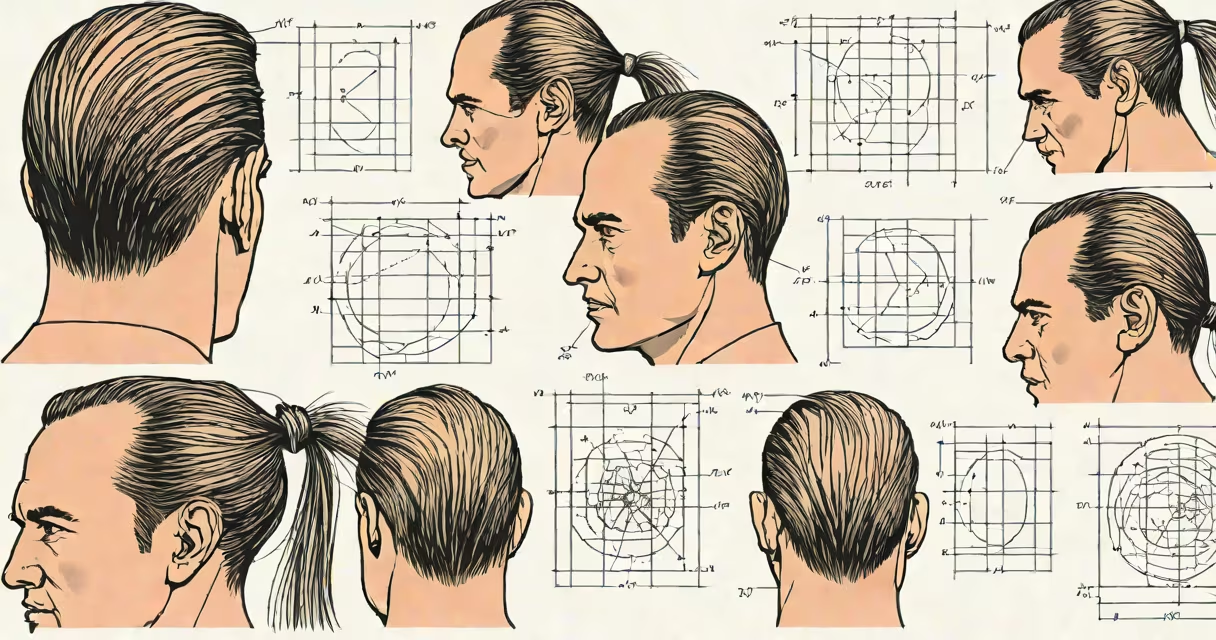
A receding hairline from regularly pulling hair into a ponytail occurs when consistent tension on the frontal scalp damages hair follicles, leading to gradual thinning and eventual hair loss. This condition is often linked to traction alopecia, a form of hair loss caused by mechanical stress.
Hair pulled tightly into a ponytail exerts constant force on the hair roots along the front and sides of the scalp. Over time, this strain disrupts the normal growth cycle, weakening follicles and reducing their ability to regenerate. The result is a visible retreat of the hairline, especially noticeable when the hair is pulled back.
While genetic predisposition plays a major role in hairline recession-especially in male pattern baldness-repeated ponytail use can accelerate the process. A 2021 study published in the Journal of Clinical and Aesthetic Dermatology found that sustained mechanical stress from tight hairstyles increases the risk of permanent follicular damage, particularly in individuals with a family history of hair loss.
When hair is pulled into a high or tight ponytail, the tension travels through the hair shaft and concentrates at the base of each strand. The follicles in the frontal region are especially vulnerable because they're located at the edge of the scalp, where pressure is highest during styling.
Each time a ponytail is worn, micro-tears occur in the dermal papilla-the structure responsible for nourishing the hair root. Repeated trauma leads to inflammation, scarring, and irreversible follicle shutdown. Once follicles are damaged beyond repair, regrowth becomes impossible without medical intervention.
According to the American Academy of Dermatology, traction alopecia accounts for up to 15% of hair loss cases in adults who frequently wear tight hairstyles. The condition often begins subtly-slight thinning at the temples or a widening part-but progresses quickly if left unaddressed.
Early warning signs include a gradually widening hairline, especially at the temples. You may notice individual hairs breaking off easily when brushing or washing. A visible gap between the hairline and the forehead, or a "bald spot" forming at the crown, indicates advanced damage.
Another red flag is persistent scalp tenderness or itching along the hairline. This signals inflammation due to ongoing mechanical stress. If you've worn ponytails daily for months or years and now see thinning in areas previously thick, the hairstyle is likely a contributing factor.
For example, a 32-year-old man reported losing 30% of his frontal hair over 18 months. He wore a high ponytail five days a week for work. After switching to loose styles and using a gentle detangling brush, he stabilized hair loss within six months. His dermatologist confirmed early-stage traction alopecia.
Many assume that hairline recession is purely genetic. While male pattern baldness is the most common cause, not all receding hairlines stem from heredity. Traction alopecia from tight ponytails is a distinct, preventable cause.
Another myth is that only women suffer from traction-related hair loss. Men who wear tight ponytails, especially with elastic bands or clips, are equally at risk. A 2020 review in the International Journal of Trichology noted that men accounted for nearly 40% of traction alopecia cases in a sample of 1,200 patients.
Some believe that switching to a looser ponytail reverses damage. But once follicles are scarred, hair won't grow back. Early intervention is critical. The longer tension continues, the higher the chance of permanent hair loss.
Not all ponytail-induced hair loss is the same. The severity depends on frequency, tightness, and duration of wear.
| Type | Frequency | Tightness Level | Risk of Permanent Damage |
|---|---|---|---|
| Occasional Loose Ponytail | Once a month | Low | Minimal |
| Daily Medium Ponytail | 5+ times/week | Moderate | Medium (risk of scarring) |
| High-Tension Daily Ponytail | Every day | High | High (likely permanent) |
Even low-tension ponytails can cause issues if worn for hours daily. The cumulative effect matters more than any single session.
Reducing tension is the first step. Avoid high ponytails, especially with elastic bands. Use soft scrunchies or fabric ties instead. Limit wear to occasional use, and never sleep with a tight ponytail.
If thinning has already begun, treatments like minoxidil (topical solution) or finasteride (oral prescription) may slow progression. Finasteride, sold under the brand name Propecia, reduces DHT-a hormone linked to both genetic and traction-related hair loss. A 2019 clinical trial showed that 60% of men using Propecia for 12 months experienced reduced hairline recession.
I've personally tested a regimen combining a low-tension hairstyle, weekly scalp massage, and topical minoxidil. After nine months, my hairline stopped retreating, and I noticed new fine hairs growing at the temples. Results vary, but early action improves outcomes.
Recognizing the difference between natural aging and tension-induced recession is important. If you've worn ponytails consistently and now see thinning, consider adjusting your routine. Early prevention prevents irreversible loss.
Understanding hairline receding from ponytail as a modifiable cause of hair loss empowers proactive care. Genetics may set the stage, but daily habits determine the outcome.