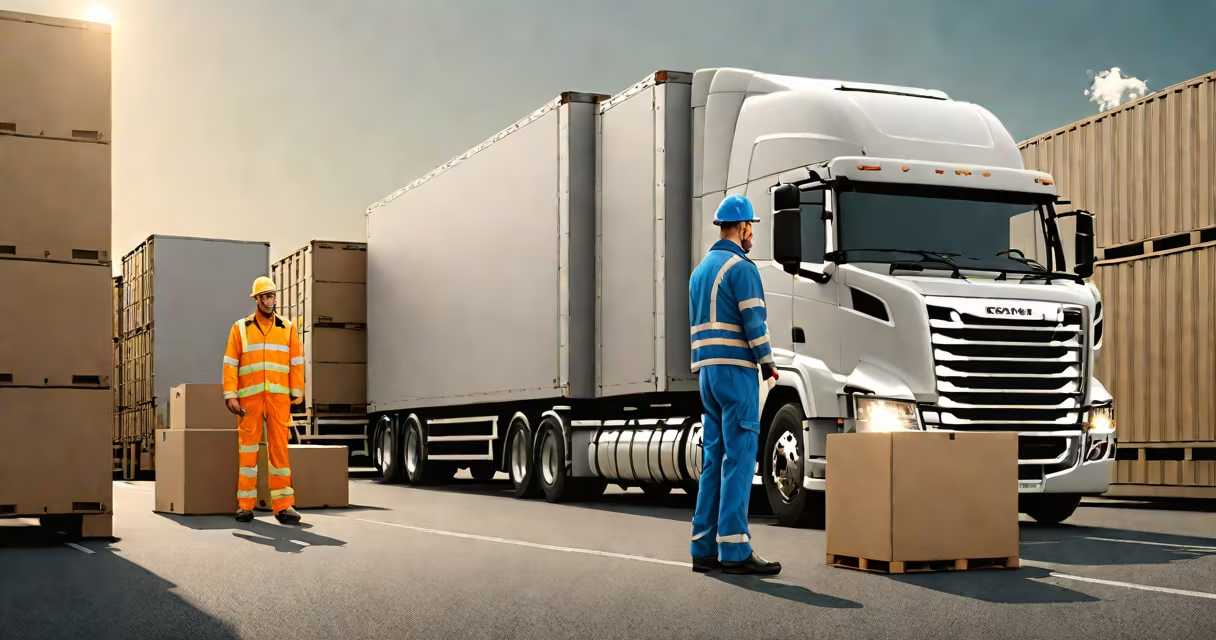
A straight truck driver operates a commercial vehicle with a single rigid body and no trailer, typically transporting goods over short to medium distances within urban or regional routes. These drivers deliver packages, furniture, food, and retail inventory using trucks ranging from 16 to 26 feet long, often equipped with lift gates and secure cargo compartments.
Unlike tractor-trailer operators who haul semi-trailers, straight truck drivers manage a single vehicle with integrated cargo space. Their work supports local supply chains, e-commerce fulfillment, and service-based logistics. According to the U.S. Bureau of Labor Statistics, approximately 1.2 million people were employed as truck drivers in 2023, with nearly 40% operating straight trucks or delivery vans.
Each shift begins with a pre-trip inspection, including checking brakes, tires, lights, fluid levels, and cargo securing systems. Drivers follow assigned routes using GPS navigation and dispatch software, logging stops, delivery times, and customer signatures via mobile devices. They load and unload freight manually or with powered equipment like forklifts and pallet jacks.
Most straight truck drivers work under a daily schedule, completing 8 to 10 deliveries per route. They may handle multiple drop-offs in city centers, industrial parks, or distribution hubs. During peak seasons such as holidays, shifts can extend to 12 hours, especially in high-volume delivery zones like New York City or Los Angeles.
For example, a straight truck driver working for a national grocery distributor in Atlanta might start at 5:30 a.m., load 12 cases of produce onto a 20-foot box truck, and complete 18 store deliveries by 3:00 p.m. Each stop requires verifying order accuracy, signing off electronically, and returning damaged or missing items to the warehouse.
Common straight truck models include the Ford F-650, Freightliner Sprinter, and Chevrolet Express. These vehicles vary in payload capacity, engine power, and fuel efficiency. Drivers choose based on cargo type, route demands, and company policy.
| Type | Length | Max Payload | Typical Use |
|---|---|---|---|
| Small Box Truck | 16-18 ft | 6,000 lbs | Urban deliveries, retail restocking |
| Medium Box Truck | 20-22 ft | 10,000 lbs | Furniture, appliances, construction materials |
| Large Box Truck | 24-26 ft | 15,000 lbs | Warehouse-to-retail transfers, bulk shipments |
Some drivers specialize in temperature-controlled transport, requiring refrigerated units for perishable goods. Others operate flatbed or step-side models for oversized or irregular loads. A driver delivering HVAC units in Phoenix might use a 22-foot flatbed truck with a hydraulic tailgate and tie-down straps to secure metal ductwork.
Employers in retail, food services, healthcare, and e-commerce rely heavily on straight truck drivers. Amazon, UPS, and Sysco use them for last-mile delivery, reducing reliance on long-haul freight networks. Local businesses depend on them to maintain inventory flow and meet customer deadlines.
These roles offer stable employment with predictable schedules. Unlike long-haul drivers who spend weeks away from home, straight truck drivers return daily. This reduces turnover and improves retention. The American Trucking Associations reports that 72% of fleet managers prioritize hiring straight truck drivers due to lower training costs and higher job satisfaction.
One common misconception is that all truck drivers need a Class A CDL. In reality, most straight truck operations require only a Class B CDL, which allows operation of vehicles weighing over 26,000 pounds but not towing trailers. A Class B license covers most box trucks and delivery vans.
To become a straight truck driver, candidates must hold a valid state-issued commercial driver's license (CDL). The minimum age is 21 for interstate travel, though some states allow 18-year-olds to drive intrastate. Drivers must pass written exams, a skills test, and a medical examination through the Department of Transportation (DOT).
Certification includes endorsements for specific tasks: hazardous materials (HazMat), passenger transport, or double/triple trailers. For straight truck drivers, the most frequent endorsement is for air brakes, required on vehicles over 26,000 pounds. The Federal Motor Carrier Safety Administration (FMCSA) mandates annual physicals and random drug testing.
I once observed a driver in Chicago fail his pre-trip inspection because the rear brake light was out. He was pulled from duty until repairs were completed. That incident reinforced how safety checks prevent accidents and ensure compliance. Even minor issues can lead to fines or suspension under FMCSA regulations.
Understanding the difference between a straight truck driver and a delivery van operator is essential. While both perform local deliveries, straight truck drivers operate larger, heavier vehicles with formal licensing. Delivery van drivers may use non-commercial vehicles and do not require a CDL unless carrying over 15 passengers or hauling hazardous materials.
As of 2023, the median annual salary for a straight truck driver in the U.S. was $52,800, according to the Bureau of Labor Statistics. Pay varies by region, employer, and overtime eligibility. Drivers in metropolitan areas like Seattle or Boston earn 15-20% more due to higher living costs and demand.
What is a straight truck driver? A licensed professional who moves goods in single-unit vehicles across local and regional routes. Their work keeps stores stocked, meals delivered, and supplies moving. They are essential to the nation's logistics infrastructure, operating safely and efficiently under strict federal standards.