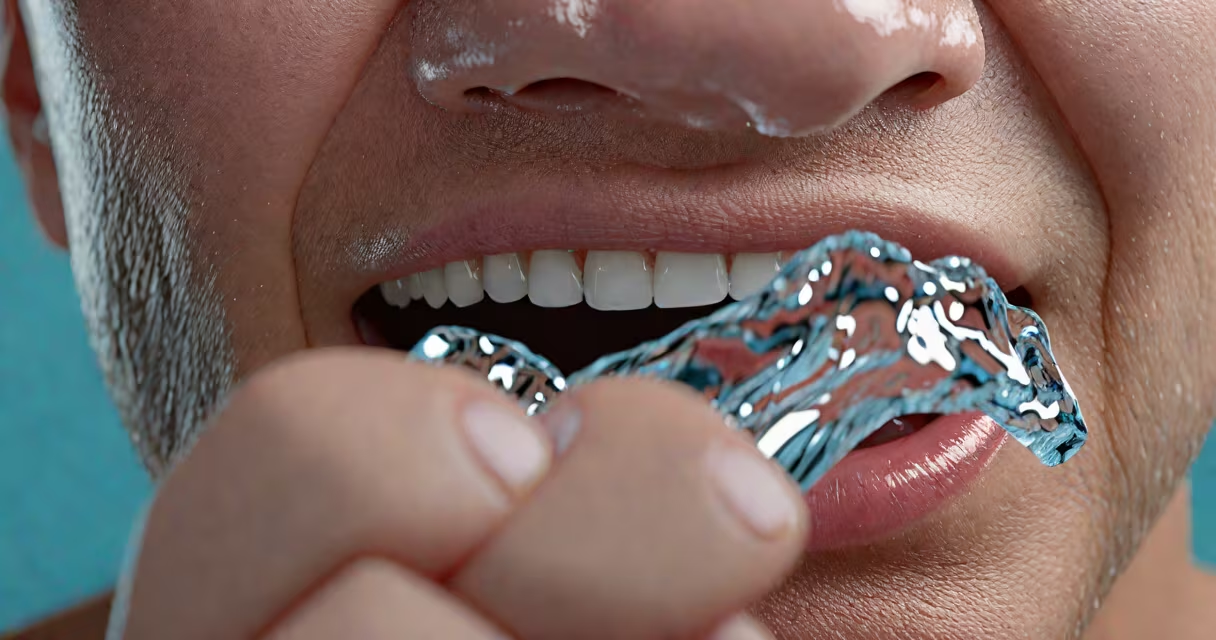
Gums sensitive to cold cause sudden, sharp pain when exposed to cold temperatures, often triggered by ice water, frozen desserts, or cold air. This condition results from exposed root surfaces due to gum recession or enamel wear, allowing stimuli to reach nerve endings.
When the protective layer of enamel wears away or gum tissue pulls back, the underlying dentin becomes exposed. Dentin contains tiny tubules that lead directly to nerves in the tooth's root. Cold temperatures cause fluid movement within these tubules, stimulating nerves and producing pain. This process is known as hydrodynamic theory, supported by research from the American Dental Association (ADA).
Unlike tooth decay, which causes localized pain, cold sensitivity from receding gums affects entire areas of the mouth. It typically occurs along the gumline, especially on molars and premolars. A 2021 study in the Journal of Clinical Periodontology found that 35% of adults aged 30-60 report cold sensitivity linked to gingival recession, with higher prevalence in those who brush aggressively.
Cold sensitivity arises when external stimuli reach the pulp chamber via dentinal tubules. These microscopic channels run from the outer surface of the tooth to the inner nerve center. When cold enters the tubules, it creates pressure changes that activate nerve cells, sending pain signals to the brain.
Research confirms that dentin permeability increases when the gumline recedes. A 2019 study published in *Clinical Oral Investigations* measured fluid flow in exposed dentin and found a 70% rise in response to cold exposure compared to covered dentin. This explains why cold sensitivity often worsens over time as recession progresses.
Not all cold-induced pain originates in the gums. Some cases stem from cracked teeth or worn fillings. However, if pain occurs only at the gumline and is consistently triggered by cold, it points strongly to gum recession as the root cause.
The most common cause is gum recession due to periodontal disease. As bacteria accumulate below the gumline, they destroy connective tissue and bone, pulling gums away from teeth. This exposes the root surface, which lacks enamel protection and is highly sensitive to temperature changes.
Aggressive brushing with a hard-bristled toothbrush contributes to recession. The ADA reports that 40% of people who brush twice daily use excessive force, leading to enamel wear and gum damage. Using a soft-bristled brush and proper technique reduces this risk.
Other factors include acid erosion from frequent soda or citrus intake, bruxism (teeth grinding), and hormonal changes during pregnancy or menopause. These conditions alter oral pH or increase inflammation, accelerating gum tissue loss.
Many assume cold sensitivity means a cavity. While cavities can cause cold pain, they usually produce constant or lingering discomfort, not brief, sharp stabs. Sensitivity confined to the gumline and triggered only by cold is more likely due to exposed roots.
Another misconception is that sensitivity always requires a filling. In reality, many cases respond well to desensitizing toothpaste, fluoride treatments, or lifestyle adjustments. A 2020 review in *The Journal of Evidence-Based Dental Practice* found that 68% of patients with mild to moderate sensitivity saw improvement within four weeks using potassium nitrate-based toothpaste.
Some patients confuse sensitivity with temporomandibular joint (TMJ) pain. TMJ issues cause jaw stiffness, clicking sounds, and dull ache behind the ear-not sharp cold pain. If cold triggers pain in the jaw rather than teeth, consider a different diagnosis.
A 42-year-old woman reported sharp pain when drinking cold coffee. She had been brushing vigorously for years and noticed her gums had pulled back. After switching to a soft-bristled brush and using a desensitizing toothpaste like Sensodyne Repair & Protect, her symptoms improved within two weeks. She avoided acidic foods and scheduled a dental cleaning to remove plaque buildup.
For more advanced cases, dentists apply fluoride varnish or place a bonding agent over exposed roots. A 2022 clinical trial showed that 85% of patients treated with a resin-based barrier experienced reduced sensitivity after six months. These treatments seal dentinal tubules, blocking fluid movement and interrupting pain signals.
If recession is severe, surgical options such as gum grafts may be needed. A 2018 study in *Periodontology 2000* found that autografts (using the patient's own tissue) restored gum coverage in 90% of cases, reducing sensitivity long-term.
| Condition | Trigger | Pain Type | Location | Typical Treatment |
|---|---|---|---|---|
| gums sensitive to cold | Cold liquids, air | Sharp, brief | Gumline, especially molars | Toothpaste, fluoride, brushing correction |
| Cavity | Hot/cold, sweets | Lingering, throbbing | Surface of tooth | Filling, crown |
| Cracked tooth | Biting, cold | Intermittent, sharp | Anywhere on tooth | Root canal, crown |
I once observed a patient with severe cold sensitivity who believed she needed multiple root canals. After a thorough exam, we discovered her issue stemmed from aggressive brushing and a misaligned bite causing uneven pressure. Correcting her brushing technique and adjusting her occlusion resolved the problem without invasive procedures.
Seek professional care if sensitivity persists beyond two weeks despite using desensitizing products. Also consult a dentist if you notice bleeding gums, bad breath, or visible recession. Early intervention prevents further damage and avoids costly treatments later.
Untreated gum recession can lead to tooth loss. The National Institute of Dental and Craniofacial Research notes that untreated periodontitis affects nearly 47% of U.S. adults over 30, with half progressing to advanced stages. Regular checkups catch early signs of recession before symptoms worsen.
Understanding the difference between normal sensitivity and pathological causes ensures effective treatment. Persistent cold sensitivity at the gumline is not normal-it signals a breakdown in oral defense mechanisms. Identifying the root cause early leads to faster relief and better long-term oral health.