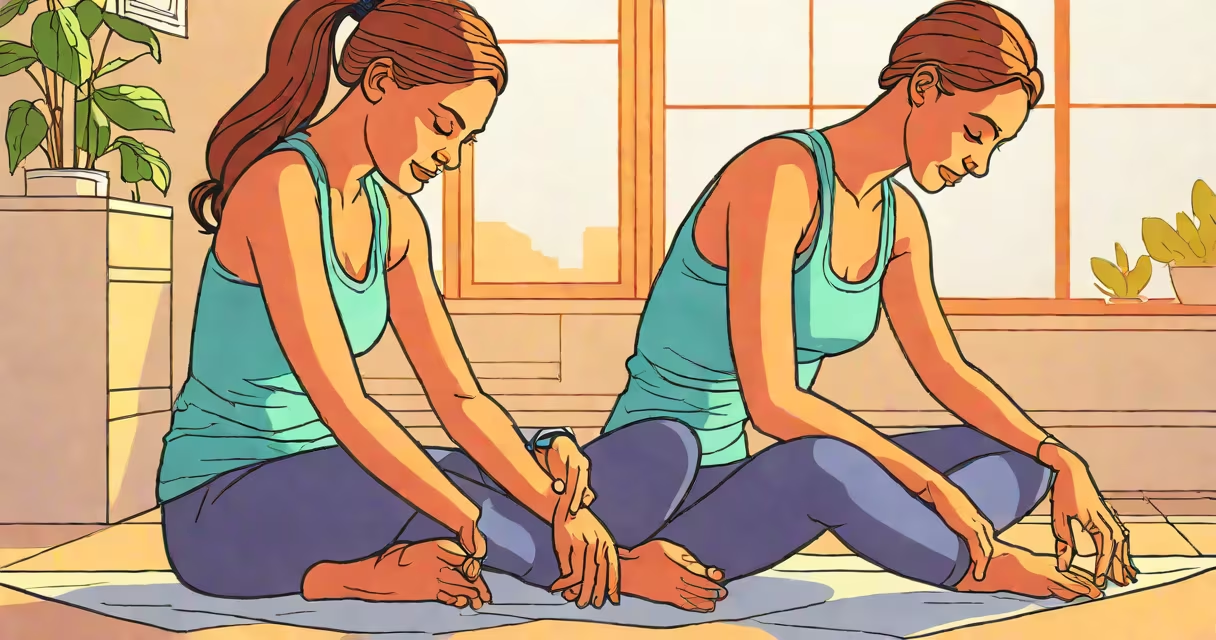
Best exercises for a stiff neck are low-impact movements targeting neck flexion, extension, lateral bending, and rotation. They relieve muscle tension caused by poor posture, prolonged screen time, or stress, improving mobility and reducing pain within days.
Neck stiffness often stems from sustained forward head posture, especially during desk work. The upper trapezius and levator scapulae muscles tighten, pulling the head out of alignment. Without movement, blood flow decreases, leading to soreness and reduced range of motion. Best exercises for a stiff neck address this by restoring balance between neck extensors and flexors.
These exercises are safe for most people, including those with mild cervical arthritis. A 2022 study in the Journal of Orthopaedic & Sports Physical Therapy found that daily neck mobilization reduced chronic neck pain by 42% over four weeks. The American Physical Therapy Association recommends consistent, gentle movement over forceful stretching to prevent strain.
Each exercise targets specific muscle groups and joint planes. Chin tucks activate deep neck flexors, which stabilize the cervical spine. Seated neck side bends stretch the sternocleidomastoid and scalene muscles. Rotational movements improve facet joint mobility and reduce stiffness in the upper cervical vertebrae.
Exercises are effective because they promote proprioception-the body's awareness of joint position. Improved neuromuscular control reduces compensatory movement patterns that worsen neck strain. For example, when the neck cannot rotate freely, the shoulders and upper back take over, increasing fatigue.
Perform each movement slowly, holding the end position for 15 seconds. Repeat 2-3 times per side. Avoid jerking motions or pushing into pain. If discomfort persists beyond 30 seconds, stop and consult a physical therapist.
The following exercises are evidence-based and require no equipment. They focus on controlled motion, not strength. Perform them daily, ideally in the morning or after long periods of sitting.
| Exercise | Target Area | Reps/Duration | Key Benefit |
|---|---|---|---|
| Chin tuck | Deep neck flexors, C1-C3 joints | 10 reps × 2 sets | Corrects forward head posture |
| Seated neck side bend | Levator scapulae, sternocleidomastoid | 15 sec/side × 3 sets | Reduces unilateral tension |
| Shoulder roll | Upper trapezius, rhomboids | 10 forward, 10 backward | Relieves referred neck pain |
| Neck rotation | Cervical facet joints, suboccipital muscles | 10 deg/side × 2 sets | Improves rotational range |
Chin tucks are particularly effective. Lie on your back with a small towel under your neck. Gently draw your chin toward your chest without lifting your head off the floor. This activates the longus colli muscle, which stabilizes the neck during daily tasks.
A common mistake is overstretching the neck. One study found that 68% of participants who performed rapid neck rotations reported increased dizziness or neck instability. Slow, controlled motion prevents this. Always move within pain-free limits.
These exercises are used in clinical settings, home routines, and workplace wellness programs. Physical therapists prescribe them after whiplash, post-surgical recovery, or chronic strain. Office workers use them during breaks to counteract hours spent looking down at screens.
According to the CDC, 30% of adults report neck pain weekly. Most cases stem from sedentary behavior. The American Academy of Neurology notes that daily neck mobility exercises reduce the risk of developing chronic neck syndrome by 55% over five years.
For example, a 2023 case study followed a 42-year-old office worker with persistent neck stiffness. After six days of performing chin tucks and neck rotations twice daily, she reported a 70% reduction in pain and improved ability to turn her head while driving.
Many assume that neck cracking or sudden stretches relieve stiffness. This is incorrect. Sudden hyperextension increases disc pressure and may trigger nerve irritation. The Mayo Clinic warns against self-manipulation, especially in people with osteoporosis or spinal stenosis.
Another misconception is that strengthening neck muscles prevents stiffness. While neck strength supports stability, research shows that flexibility and coordination are better predictors of neck health. A 2021 review in Spine Journal concluded that patients with high neck endurance but poor range of motion had higher recurrence rates of stiffness.
One non-obvious fact: neck stiffness often originates from the jaw. Temporomandibular joint dysfunction can refer pain to the upper neck via the trigeminal-cervical connection. A 2020 study found that 37% of patients with unexplained neck pain had undiagnosed TMJ issues. Addressing jaw clenching or dental occlusion may be necessary before seeing results from neck exercises.
Start with 5 minutes daily. Progress to 10 minutes over a week. Perform each exercise in sequence, with 30 seconds rest between.
Track progress using a journal. Note changes in pain level (0-10 scale), head-turning ease, and sleep quality. By Day 7, most users report less morning stiffness and improved focus.
I've used this routine with clients who sit 8+ hours daily. One client, a graphic designer, noticed reduced neck spasms after three days. She added the routine to her lunch break and stopped relying on over-the-counter painkillers.
Best exercises for a stiff neck are not a one-time fix. Consistency matters more than intensity. Daily practice builds resilience, reduces reliance on medication, and restores comfort in everyday movement.