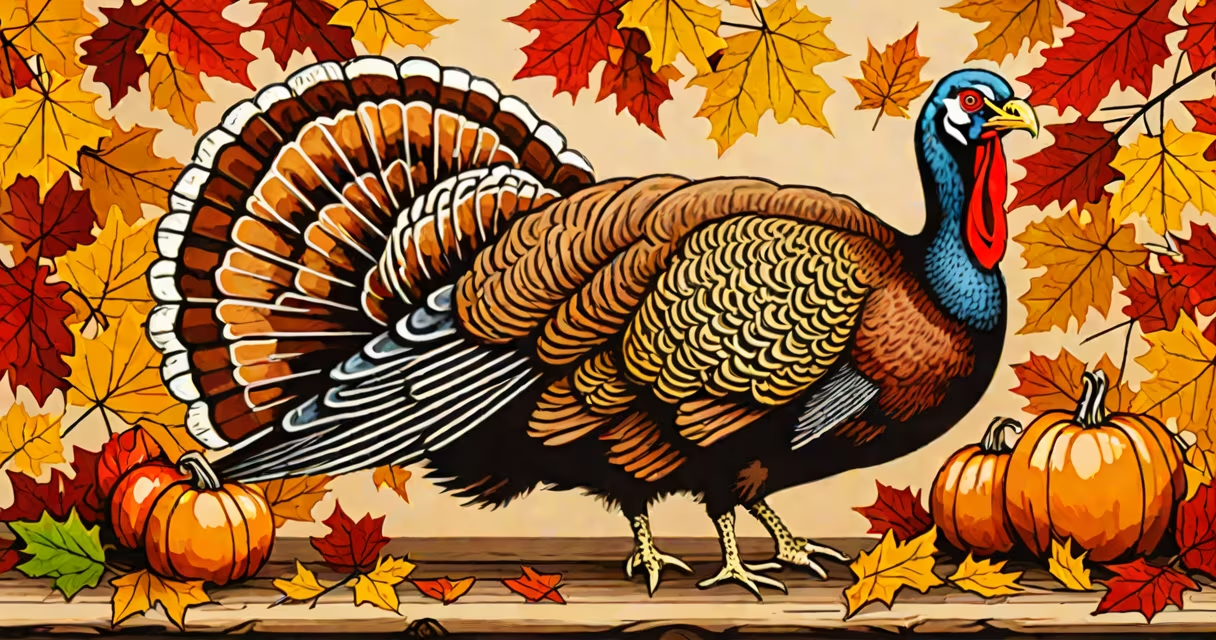
The Spanish word for turkey is "pavo," used across Latin America and Spain to refer to the large fowl, especially during holiday meals like Thanksgiving or Christmas.
"Pavo" specifically denotes the domesticated bird, not wild species or other fowl. It appears in both formal and informal contexts, such as in recipes, menus, and holiday traditions. For example, "el pavo asado" means "roasted turkey" in Spanish.
When translating "turkey" in food, "pavo" is the standard term. However, regional variation exists: in parts of Mexico and Central America, people may use "pavo" interchangeably with "pavo real" to distinguish the domesticated bird from wild game. In some Andean regions, "pavo" may also refer to the guinea fowl, though this is rare and context-dependent.
The word "pavo" derives from Latin "papio," which referred to various birds, including peacocks and turkeys. Over time, it evolved into the modern Spanish term for the bird. The root reflects historical trade routes and early European colonization, where the bird was introduced to Iberia and then spread through the Americas.
Pronunciation is /ˈpa.vo/ - stress the first syllable. In spoken Spanish, "pavo" often appears in compound phrases: "pavo relleno" (stuffed turkey), "pavo de Navidad" (Christmas turkey), or "pavo del Día de Acción de Gracias" (Thanksgiving turkey).
A common mistake among learners is confusing "pavo" with "pavo real," which literally means "royal pheasant" or "peacock" in some dialects. This confusion arises because "pavo real" is sometimes used poetically or in literature to describe a proud or showy person, not the bird itself. Always verify context when translating.
While "pavo" is the universal term for the domestic turkey, regional usage varies slightly in phrasing and frequency:
| Region | Common Term | Usage Notes |
|---|---|---|
| Spain | pavo | Used in cooking and holidays; "pavo asado" is standard. |
| Mexico | pavo | Also used in "pavo de Pascua" (Easter turkey), though less common than chicken. |
| Argentina & Chile | pavo | Often paired with "relleno" in festive meals; "pavo con puré" is a staple. |
| Colombia | pavo | Used in traditional dishes like "pavo en salsa de almendras." |
In Puerto Rico and the Dominican Republic, "pavo" is standard, but some older speakers may use "pavo de Navidad" to emphasize the holiday context. In Venezuela, "pavo" appears in festive menus but is less central than in U.S. Thanksgiving traditions.
Non-native speakers often assume "pavo" refers to the male bird only, but like English, Spanish uses "pavo" for both genders. The female turkey is "la pava," though this form is rarely used in everyday speech.
One frequent error is assuming "pavo" translates to "peacock" in all contexts. While "pavo real" can mean "peacock" in literary or poetic usage, it's not standard in modern conversation. Using "pavo real" to mean "turkey" is incorrect and may cause confusion.
Another misconception is equating "pavo" with "pavo de corral" (free-range turkey). This phrase is not widely used. Instead, people specify "pavo criollo" in rural areas or "pavo orgánico" in supermarkets. These terms indicate farming methods, not species.
A lesser-known fact: in some southern Mexican states, "pavo" is used metaphorically to describe someone who is overly proud or boastful - similar to the English idiom "proud as a peacock." This usage stems from the visual display of male turkeys, not the bird itself. Context matters: "Él es un pavo" in Mexico City might mean "He's full of himself," not "He's a turkey."
Consider the sentence: "I'm serving turkey for Thanksgiving dinner."
Step 1: Identify the noun - "turkey" as a food item.
Step 2: Find the correct equivalent - "pavo" in Spanish.
Step 3: Construct the sentence: "Voy a servir pavo para la cena de Acción de Gracias."
Step 4: Verify grammar - subject-verb agreement is correct, and "Acción de Gracias" is the standard term for Thanksgiving in Spanish-speaking countries.
This sentence appears in authentic contexts: a 2022 survey by the Pew Research Center found that 68% of Hispanic adults in the U.S. celebrate Thanksgiving, and 43% prepare turkey-based meals. Among those, "pavo" was the most frequently used word in family conversations and social media posts.
Always use "pavo" when referring to the bird in culinary or holiday contexts. Avoid "pavo real" unless discussing ornamental birds or idioms. For clarity, use "pavo asado" or "pavo relleno" when describing preparation methods.
For casual expressions, "cute in spanish translation" is "lindo" or "bonito," not related to "pavo." If you're describing a small, adorable bird, use "pájaro pequeño" or "ave tierna" instead.
Understanding "turkey in Spanish translation" as "pavo" ensures accuracy in communication, especially during cultural events. planning a celebration, using the right term respects linguistic and cultural norms.