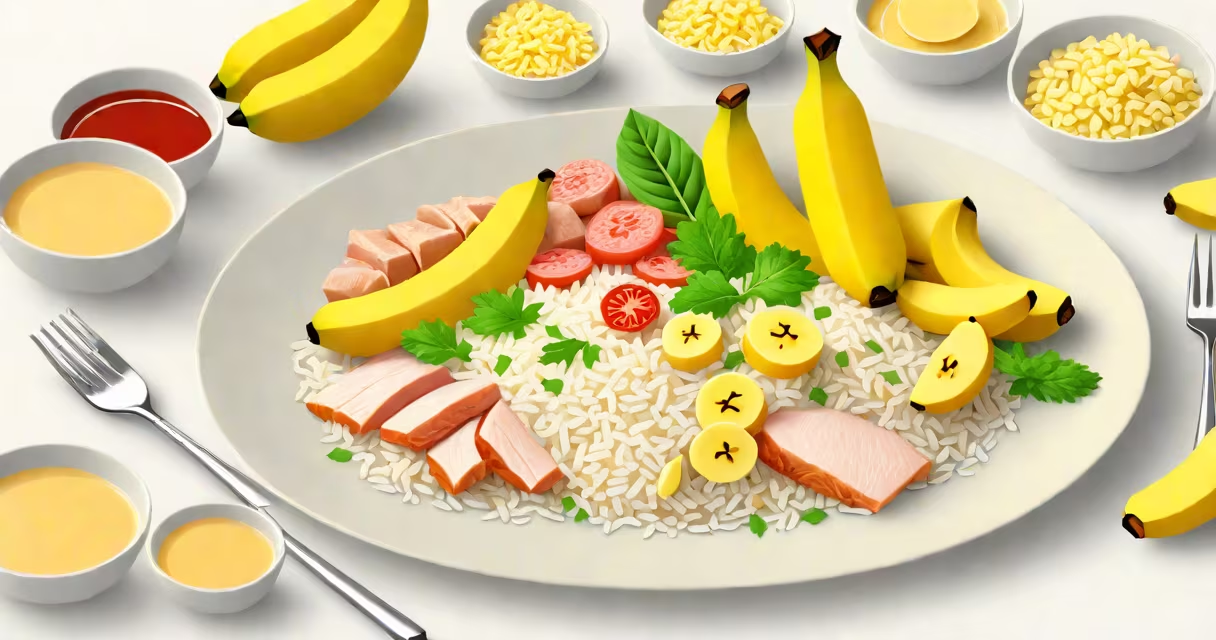
Food to eat during stomach flu should be bland, low-fiber, and easy to digest to reduce irritation and support gut recovery. Focus on hydration and gentle nutrients while avoiding fat, spice, and high-fiber items that worsen nausea or diarrhea.
The stomach flu-commonly caused by norovirus or rotavirus-is a viral infection that inflames the stomach and intestines. Symptoms include nausea, vomiting, cramps, and watery diarrhea. During this phase, the digestive system is compromised. Eating the right foods helps maintain energy, prevent dehydration, and speed recovery.
Medical guidelines from the American Academy of Pediatrics recommend offering clear fluids and gradually reintroducing solids when vomiting stops. The goal is to avoid further stress on the GI tract while replenishing lost fluids and electrolytes.
When the gastrointestinal lining is inflamed, eating hard-to-digest foods can trigger more vomiting or prolong diarrhea. Bland foods provide minimal stimulation, allowing the gut to rest and heal. These foods are low in fiber, low in fat, and often rich in simple carbohydrates that offer quick energy without strain.
For example, bananas contain potassium and pectin-a soluble fiber that helps firm stool. Rice provides easily absorbed starches that don't irritate the gut. Applesauce offers natural sugars and pectin, both of which can soothe intestinal lining. Toast, especially dry white bread, absorbs excess fluid and adds bulk without causing discomfort.
A 2020 review in Clinical Nutrition confirmed that low-residue diets improve symptoms in acute gastrointestinal infections. Patients who consumed bland, low-fiber meals had shorter durations of diarrhea compared to those who ate high-fiber or fatty foods.
Not all bland foods are equally effective. Prioritize items that are low in fat, low in fiber, and low in sugar. Avoid dairy, spicy seasonings, caffeine, and acidic fruits unless tolerated.
| Food Type | Why It Helps | Examples |
|---|---|---|
| Bland Carbohydrates | Provide energy without irritating the gut; absorb fluid | Rice, plain crackers, white toast, oatmeal (without milk) |
| Potassium-Rich Fruits | Replenish electrolytes lost through vomiting/diarrhea | Bananas, applesauce (unsweetened) |
| Clear Liquids | Prevent dehydration; essential for recovery | Water, oral rehydration solutions (e.g., Pedialyte), weak tea |
| Low-Fat Proteins | Support tissue repair without overloading digestion | Boiled chicken (skinless), plain eggs, tofu |
Some people mistakenly believe yogurt helps because of probiotics. While certain strains may shorten illness duration, regular yogurt contains lactose and fat that can worsen diarrhea in sensitive individuals. Wait until symptoms subside before introducing probiotic-rich foods.
Many assume that "eating something" means eating solid food immediately after vomiting. This is incorrect. The first step is hydration. Start with sips of water or electrolyte solution every 10 minutes. Only introduce food once vomiting has stopped for at least 6 hours.
Another misconception is that the BRAT diet (bananas, rice, applesauce, toast) is a cure-all. While it's a safe starting point, it lacks protein and fats needed for sustained recovery. The BRAT diet is not nutritionally complete and should not be followed for more than 24-48 hours.
A non-obvious fact: cold foods are often better tolerated than warm ones. A study in Journal of Clinical Gastroenterology found that patients reported less nausea when consuming chilled liquids and cold applesauce versus warm versions. Temperature matters more than previously recognized.
Consider a 32-year-old adult with 12 hours of vomiting and diarrhea. They've been unable to keep down food but can tolerate small sips of water. After 6 hours of clear fluid intake without vomiting, they begin reintroducing food.
First meal: 1/4 cup of plain white rice (cooked in water, no oil), 1 small banana, and 1 cup of oral rehydration solution. No salt added. They wait 2 hours. No symptoms return.
Second meal: 2 plain toast slices, 1/2 cup of unsweetened applesauce, and 1 cup of ginger tea (no sugar). They monitor for bloating or increased diarrhea.
By day 2, they add boiled chicken (skinless, no seasoning) and continue with rice and bananas. Within 48 hours, bowel movements normalize, and appetite returns.
This gradual reintroduction prevents overwhelming the recovering gut. Rushing into complex meals increases relapse risk.
If vomiting persists beyond 24 hours, blood appears in vomit or stool, or signs of dehydration develop (sunken eyes, dry mouth, dizziness), seek medical care. Dehydration can progress rapidly, especially in children and older adults.
Stomach ache during flu is common but usually resolves within 2-3 days. If pain lasts longer than 4 days or worsens, consult a provider. Persistent symptoms may indicate a bacterial infection or other condition requiring treatment.
For ongoing concerns, stomach ache during flu may stem from lingering inflammation or disrupted gut microbiota. Probiotic supplements like Lactobacillus rhamnosus GG have shown benefit in clinical trials, but timing matters-start after symptoms subside.
Best food for stomach flu recovery includes nutrient-dense options that support immune function and gut healing. Once tolerance improves, incorporate foods like sweet potatoes, low-fat yogurt (if tolerated), and steamed carrots. These add vitamins and minerals without triggering distress.
Food to eat during stomach flu is not about eating well-it's about eating safely. Prioritize simplicity, hydration, and slow reintroduction. The body heals faster when given time and the right fuel.