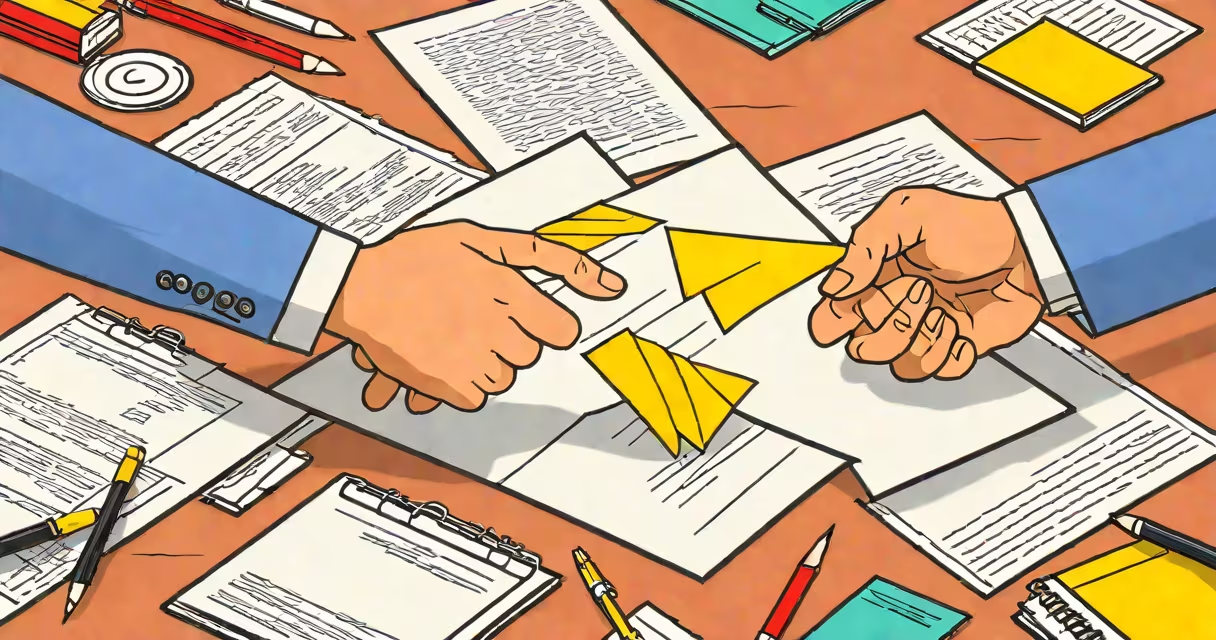
Find an agreement means reaching a shared understanding where all parties accept the terms of a decision, arrangement, or contract without further dispute. It results in a binding or non-binding outcome based on negotiated compromise, consensus, or formal acceptance.
Agreements form the foundation of business deals, legal contracts, personal relationships, and policy decisions. They require alignment on goals, responsibilities, timelines, and consequences. Without clear agreement, actions lack authority, obligations remain undefined, and disputes emerge.
The process begins with identifying shared objectives. For example, two companies negotiating a supply partnership must agree on delivery schedules, quality standards, pricing, and penalties for delays. If both sides accept these terms, they have found an agreement. This may be verbal, written, or implied by conduct, but clarity reduces risk.
Parties reach an agreement through structured dialogue. The process involves stating positions, listening to concerns, proposing alternatives, and testing options until mutual acceptance occurs. Each step builds trust and clarifies expectations.
For instance, a landlord and tenant negotiate a lease. The landlord wants a 12-month term with a $2,200 monthly rent. The tenant offers $1,900 and requests a 6-month term. After discussion, they settle on $2,000/month for 10 months. Both sign the lease. That's a finalized agreement.
Not all agreements require signing. A buyer who accepts a seller's price during a live auction has agreed to purchase. The moment the hammer falls, the agreement is complete-even if no paper is exchanged. However, written records prevent misunderstandings later.
Agreements vary by formality, scope, and enforceability. The most common types include:
| Type | Formality | Enforceable? | Use Case |
|---|---|---|---|
| Verbal Agreement | Low | Yes, under law | Small transactions, informal collaborations |
| Written Contract | High | Yes, legally binding | Employment, real estate, major purchases |
| Memorandum of Understanding (MOU) | Moderate | No, non-binding | Initial planning stages, joint ventures |
| Settlement Agreement | High | Yes, court-enforced | Legal disputes, divorce settlements |
Each type serves a purpose. An MOU signals intent but doesn't create legal duties. A settlement agreement resolves litigation and is enforceable in court. A written contract defines rights and obligations with precision.
A critical but often overlooked detail: an agreement is not valid unless all parties understand and consent to the same terms. Ambiguity leads to disagreement later. For example, a software developer hired under a "freelance" contract may assume project-based work. But if the employer treats it as permanent employment, the misunderstanding creates a breach.
Agreements appear in nearly every domain involving two or more parties. In business, they govern vendor relationships, joint ventures, and mergers. In government, they shape international treaties and public-private partnerships. In personal life, they define custody arrangements, cohabitation terms, and inheritance plans.
Consider a city contracting a construction firm to build a bridge. The agreement specifies materials, safety protocols, completion dates, and payment milestones. If the contractor misses deadlines, the city can withhold payment. This structure prevents abuse and ensures accountability.
According to the American Bar Association, over 80% of commercial disputes arise from unclear or unenforced agreements. The National Conference of Commissioners on Uniform State Laws notes that well-drafted contracts reduce litigation costs by up to 60%. These figures show the value of precise, documented agreement.
Even informal settings rely on agreement. Two friends planning a road trip must agree on routes, budgets, and roles. If one assumes they'll split gas costs evenly but the other expects reimbursement only for fuel, conflict arises. Finding an agreement avoids resentment and ensures cooperation.
People often confuse "finding an agreement" with "reaching a compromise." Compromise implies giving up something. Agreement means achieving alignment. You can agree without compromising-both parties gain value.
Another frequent error: assuming silence equals consent. A client sends a proposal and waits two weeks for feedback. No reply arrives. The sender assumes approval. But silence is not agreement. The recipient may have missed the email, forgotten, or disagreed silently. Only explicit acceptance-written or spoken-constitutes agreement.
There's also confusion between agreement and commitment. Commitment is emotional or behavioral. Agreement is logical and contractual. A couple may commit to staying together but still disagree on finances. Their commitment doesn't resolve the issue. Only a financial agreement does.
I once facilitated a team negotiation where five departments had to allocate a shared budget. Each wanted more funding. We used a scoring system to rank priorities. After three rounds of discussion, we reached a consensus. The final agreement was signed by all leaders. The process took 90 minutes. The result was implemented within two days. Clear terms prevented future conflict.
Start by defining the goal. What do you want to achieve? Then identify all stakeholders. List each party's needs, constraints, and preferences. Use a shared document to track proposals and feedback.
Next, hold a meeting with all involved. Present options. Ask for input. Clarify misunderstandings immediately. Avoid assumptions. Use neutral language. Say "I understand you're concerned about cost" instead of "You're too expensive."
When differences persist, propose trade-offs. Offer flexibility in timing to gain flexibility in scope. Test solutions with small pilots. If a pilot succeeds, scale it. If not, revise.
Once terms are accepted, document them. Include names, dates, responsibilities, and consequences. Have all parties sign. Keep copies. Share with relevant teams.
Finding an agreement requires clarity, communication, and confirmation. It's not about winning or losing-it's about creating a stable, predictable outcome that everyone can act upon.