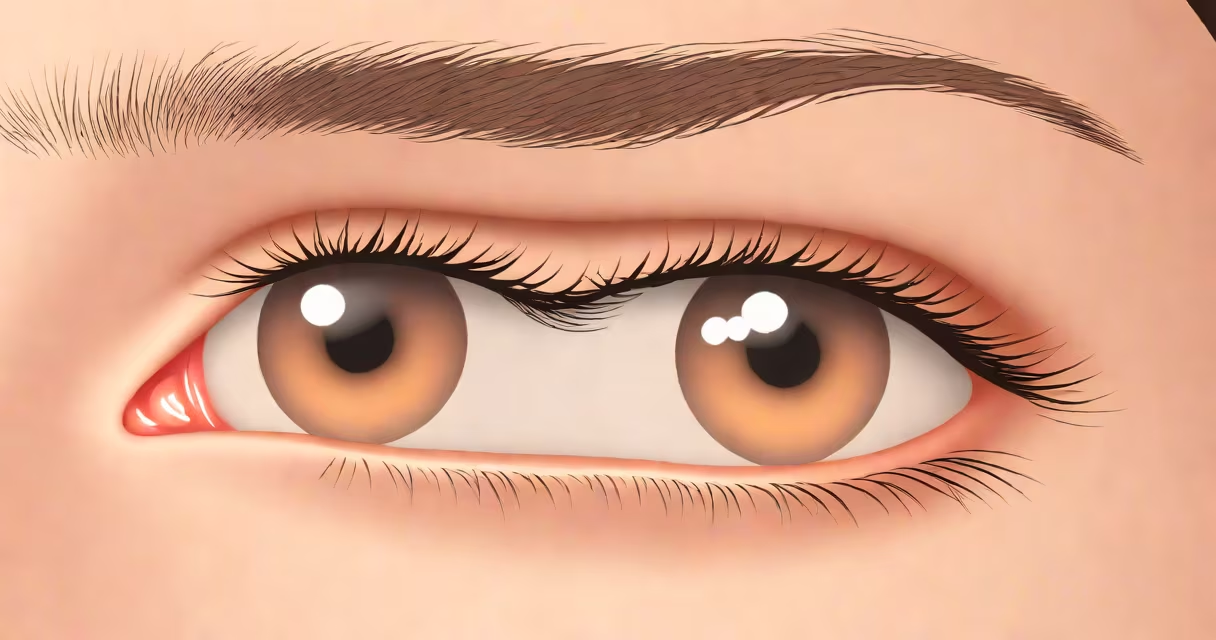
Eyes swelling up refers to visible puffiness or enlargement of the eyelids due to fluid accumulation, inflammation, or tissue response. This condition commonly affects both eyes but may occur unilaterally. Swelling typically develops rapidly and can interfere with vision or cause discomfort.
Swelling arises when fluid leaks into the tissues surrounding the eye. The area is highly vascular and loosely structured, making it prone to rapid expansion. Common triggers include allergens, sleep deprivation, salt intake, and infections. Swelling may resolve within hours or persist for days depending on the cause.
When swelling is sudden, painful, or accompanied by vision changes, it signals a medical issue requiring attention. Mild cases often improve with cold compresses and rest. Persistent or recurrent swelling demands evaluation to rule out underlying conditions such as thyroid disease or autoimmune disorders.
Fluid buildup occurs when capillaries leak plasma into surrounding tissues. The delicate skin around the eyes lacks thick subcutaneous fat, so even small volumes of fluid create noticeable puffiness. The orbital septum-a thin membrane separating the eyelid from deeper structures-limits drainage, trapping fluid and increasing pressure.
Inflammation activates immune cells like mast cells, which release histamine. Histamine increases blood vessel permeability, allowing fluid and proteins to escape into tissue spaces. This process drives acute swelling seen in allergic reactions or insect bites.
Gravity also plays a role. Lying flat during sleep allows fluid to pool in the upper eyelids. This explains why morning swelling is common. Reduced lymphatic drainage overnight exacerbates the effect, especially in people with poor circulation or high sodium intake.
Not all eye swelling stems from the same mechanism. The table below outlines major categories, their typical onset, and distinguishing features.
| Category | Onset | Duration | Key Triggers | Distinctive Features |
|---|---|---|---|---|
| Allergic reaction | Minutes to hours | 6-48 hours | Pollen, dust mites, pet dander, certain foods | Itching, redness, watery eyes; bilateral swelling |
| Fluid retention | Hours to days | 1-3 days | High salt diet, menstruation, pregnancy | Worse in mornings; improves with upright posture |
| Infection (e.g., stye) | Hours | 3-7 days | Bacterial contamination, blocked gland | Painful lump, localized warmth, pus formation |
| Physical trauma | Immediate | 3-5 days | Blunt force, surgery, contact lens injury | Discoloration, bruising, limited eye movement |
One non-obvious factor: chronic swelling may indicate systemic issues. According to the American Academy of Ophthalmology, persistent periorbital edema can signal kidney dysfunction or hypothyroidism. A 2021 study in *Ophthalmology* found that 12% of patients with unexplained eye swelling had undiagnosed autoimmune conditions.
Eye swelling is frequently mistaken for facial puffiness or general fatigue. However, swelling around the eyes tends to be more localized and symmetric. Facial swelling from dehydration or weight gain affects the cheeks and jawline more than the eyelids.
Some assume all swelling is allergic. But allergic conjunctivitis presents with itching, tearing, and redness-symptoms absent in non-allergic causes. A 2020 review in *JAMA Ophthalmology* noted that 38% of patients reporting "allergy-like" eye symptoms had no IgE-mediated sensitivity.
Another misconception: cold compresses always help. While they reduce swelling temporarily, applying ice directly to the skin can worsen inflammation in cases of vasculitis or lupus-related periorbital edema. Always assess the context before treating.
Consider a 34-year-old woman who wakes with puffy eyes, itchy eyelids, and watery eyes after a camping trip. She reports no fever or pain. Her partner notes she sneezed frequently during the weekend. On examination, her eyelids are swollen but not warm or tender.
She likely experienced a Type I hypersensitivity reaction to airborne allergens-likely mold spores or pollen. The swelling developed within 30 minutes of exposure. Cold compresses reduced puffiness within 15 minutes. Antihistamines improved symptoms within four hours.
This case illustrates that eye swelling from allergies is usually bilateral, non-painful, and responsive to antihistamines. It resolves faster than swelling from infection or trauma.
Seek medical attention if swelling lasts longer than 72 hours, spreads to the forehead or cheek, or causes blurred vision. Swelling with fever, headache, or double vision suggests orbital cellulitis or optic neuritis-conditions requiring urgent treatment.
Swelling that appears after a dental procedure or facial injury may indicate a spreading infection. A 2019 report in *The Lancet* documented a case where untreated periorbital swelling led to cavernous sinus thrombosis. Early intervention prevented permanent vision loss.
For immediate relief, apply a cold compress for 10-15 minutes every hour. Improve the head while sleeping. Avoid rubbing eyes, which can trigger further inflammation. Reduce salt intake and stay hydrated.