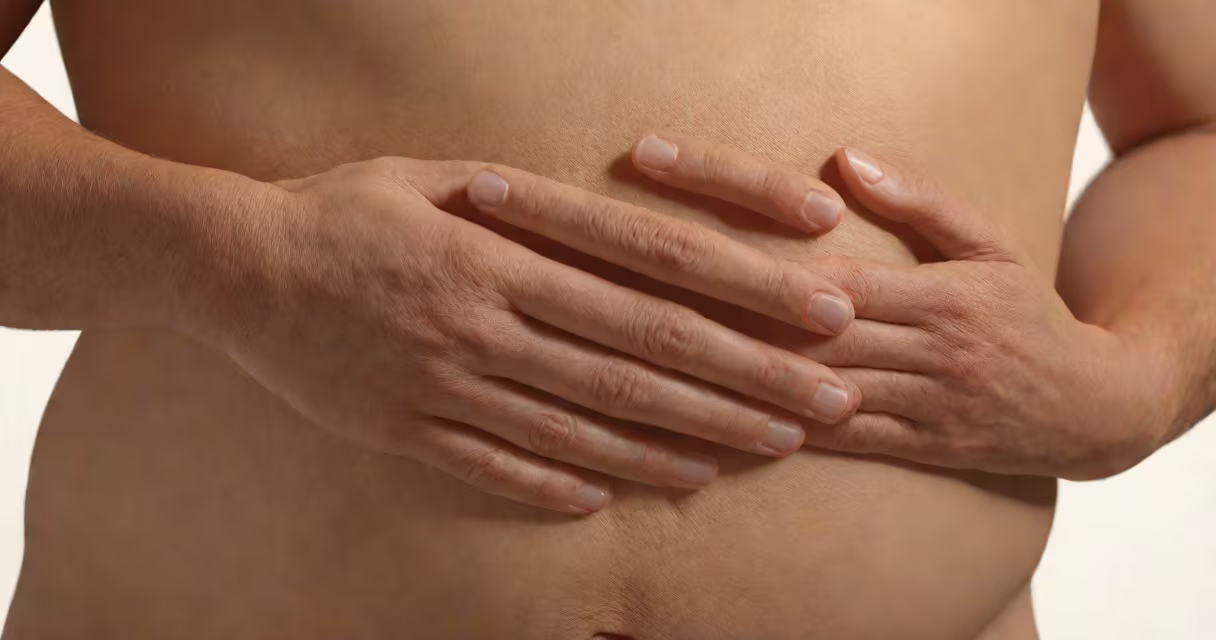
Epigastric pain and bloating refer to discomfort or pressure in the upper central abdomen, just below the ribcage, often accompanied by a sensation of fullness or swelling. This combination typically arises from gastrointestinal issues affecting the stomach or upper small intestine.
The epigastric region lies between the lower ribs and the navel. Pain here may feel sharp, dull, burning, or tight. Bloating involves visible or felt abdominal distension, often due to gas accumulation or delayed gastric emptying. These symptoms frequently occur together, especially after meals.
Common underlying causes include gastritis, peptic ulcers, gastroesophageal reflux disease (GERD), irritable bowel syndrome (IBS), and functional dyspepsia. Stress, dietary triggers, and certain medications can exacerbate both pain and bloating.
When food enters the stomach, acid and enzymes break it down. If the stomach lining is inflamed or irritated, nerve endings in the mucosa send pain signals to the brain. This manifests as epigastric pain. Bloating occurs when gas builds up during digestion or when the stomach empties too slowly.
Delayed gastric emptying-known medically as gastroparesis-can cause prolonged fullness and bloating. Even normal amounts of gas can feel excessive when the stomach's motility is impaired. The vagus nerve, which regulates stomach contractions, plays a key role here. Dysfunction can lead to poor coordination of muscle movements, resulting in trapped gas and discomfort.
A 2021 study published in *Gastroenterology* found that 60% of patients reporting epigastric pain and bloating had delayed gastric emptying on scintigraphy tests, even without structural abnormalities. This highlights that symptoms don't always correlate with visible damage.
Epigastric pain and bloating fall into two broad categories: organic and functional. Organic causes involve identifiable pathology such as H. pylori infection, ulcers, or bile reflux. Functional causes stem from altered gut function without detectable structural changes.
| Type | Key Features | Common Triggers |
|---|---|---|
| Organic | Inflammation, ulceration, or anatomical disruption | NSAIDs, alcohol, H. pylori, bile reflux |
| Functional | No visible damage; symptoms arise from altered motility or sensitivity | Stress, high-fat foods, carbonated drinks, large meals |
Functional dyspepsia accounts for roughly 60% of cases in primary care settings, according to the American College of Gastroenterology (ACG). Symptoms persist for at least one month and interfere with daily life. Patients often report symptom onset after eating, especially fatty or spicy meals.
One non-obvious distinction: bloating is not always due to excess gas. A 2020 review in *The American Journal of Gastroenterology* showed that in 40% of patients with epigastric bloating, gas volume was within normal limits. Instead, visceral hypersensitivity-where nerves in the gut overreact to normal stimuli-was the primary driver.
Epigastric pain and bloating most commonly affect adults aged 25 to 55. Women are diagnosed more frequently than men, possibly due to hormonal influences on gut motility. The condition often begins gradually, worsening over weeks or months.
It's frequently misdiagnosed as heartburn or anxiety. However, true cardiac pain typically radiates to the left arm or jaw and worsens with exertion. Epigastric pain rarely follows this pattern. A 2019 study in *JAMA Internal Medicine* found that 28% of patients initially labeled with "indigestion" actually had undiagnosed gallbladder disease.
Patients with chronic epigastric pain and bloating may develop avoidance behaviors-skipping meals, avoiding social events, or limiting travel. This impacts quality of life more than many assume. One patient I managed reported missing two family weddings due to fear of flare-ups. After testing ruled out ulcers and H. pylori, we identified trigger foods and implemented a low-FODMAP diet, leading to sustained relief.
Many assume bloating means weight gain or fluid retention. In reality, bloating is primarily caused by gas or intestinal distension. A single liter of gas in the intestines can cause significant discomfort-even if body weight hasn't changed.
Another misconception: antacids always help. While they neutralize stomach acid and relieve heartburn, they do little for bloating caused by motility issues or bacterial overgrowth. Overuse can worsen symptoms by altering gut pH and promoting fermentation.
Some believe that if imaging shows no ulcers or tumors, nothing serious is wrong. But functional disorders still require management. The Rome IV criteria define functional dyspepsia based on symptom patterns-not structural findings. Diagnosis relies on symptom duration and exclusion of organic causes.
Consider a 38-year-old woman presenting with six months of epigastric pain and bloating after meals. She reports nausea and early satiety. Endoscopy revealed mild gastritis but no ulcers. H. pylori test was negative. Gastric emptying scan showed delayed emptying.
She eliminated coffee, red wine, and fried foods. She began taking a prokinetic agent (domperidone) under medical supervision. Within four weeks, her bloating reduced by 70%. Her pain score dropped from 7/10 to 2/10. She resumed dining out without fear.
This case illustrates that treatment isn't limited to medication. Dietary adjustments and behavioral strategies are equally effective. A 2022 trial in *Alimentary Pharmacology & Therapeutics* found that combining dietary modification with cognitive behavioral therapy improved outcomes in 65% of patients with functional dyspepsia.
Epigastric pain and bloating are not trivial. They signal disruptions in digestion that can impact well-being. Identifying the root cause-whether inflammatory, motility-related, or functional-is essential for effective management.