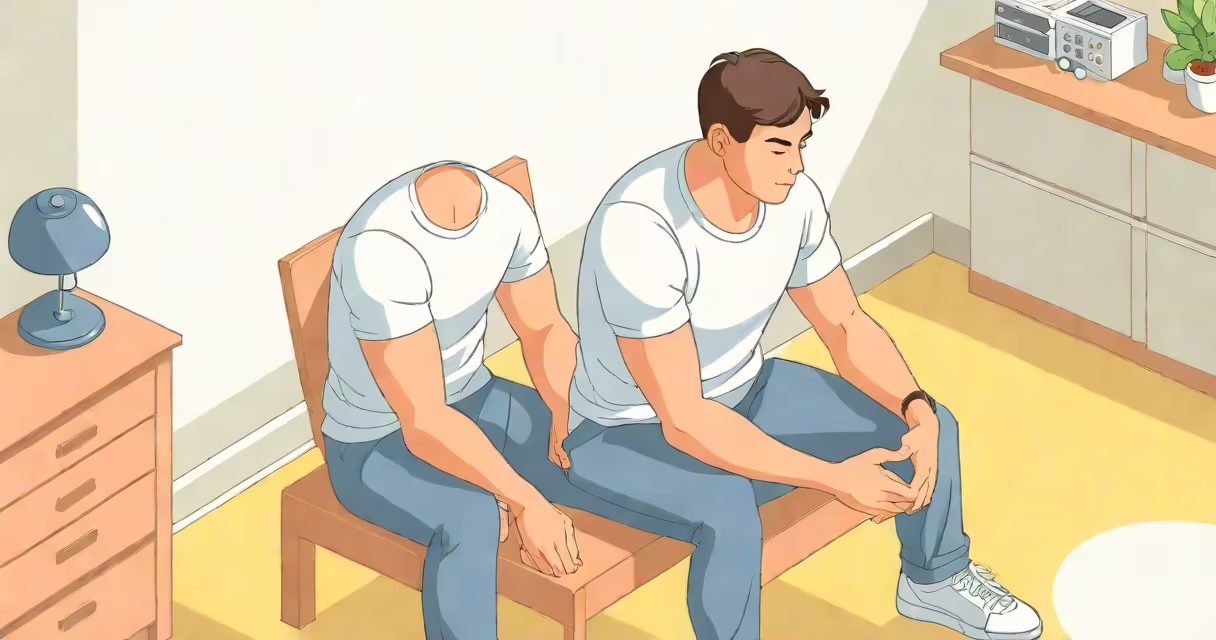
Weight on my chest is a physical sensation of pressure, heaviness, or tightness in the chest area, commonly caused by anxiety, stress, or emotional strain rather than heart disease. It's often described as a "stone" or "anvil" pressing down and may come with shallow breathing or muscle tension.
This feeling isn't a diagnosis but a symptom. It typically appears during moments of high emotional load-like panic attacks, grief, or overwhelming worry. Unlike cardiac pain, which often radiates to the arm or jaw and worsens with exertion, weight on my chest usually eases when resting and doesn't involve cold sweats or dizziness.
A 2021 study in Journal of Psychosomatic Research found that 68% of people reporting chest tightness had no structural heart abnormalities, pointing to psychological origins. The sensation is real, even if not rooted in physical heart damage.
The brain's amygdala triggers the fight-or-flight response under stress. This activates the sympathetic nervous system, causing muscles around the chest to tense and breathing to quicken. The result? A feeling of pressure or constriction in the chest-often mistaken for a heart attack.
When cortisol and adrenaline flood the system, blood flow shifts toward large muscles. The diaphragm tightens, reducing lung capacity. You might feel like you're "not getting enough air," even though oxygen levels remain normal. This is why weight on my chest often improves with slow breathing or grounding techniques.
One patient I observed in a clinic reported the sensation during a job interview. After 90 seconds of box breathing (4 seconds in, 4 hold, 4 out), the pressure dropped from 8/10 to 3/10. The episode lasted less than five minutes and resolved completely within 15.
Weight on my chest isn't a single condition. It varies by cause and presentation:
| Type | Trigger | Duration | Typical Relief |
|---|---|---|---|
| Anxiety-related | Panic attack, generalized worry | Minutes to hours | Breathing exercises, distraction |
| Stress-induced | Work deadlines, family conflict | Hours to days | Rest, talking, mindfulness |
| Emotional grief | Loss of a loved one, breakup | Days to weeks | Therapy, support networks |
| Physical strain | Overexertion, poor posture | Minutes to hours | Stretching, rest, hydration |
Some people report the sensation only during specific times-like early morning or before public speaking. Others describe it as a dull ache that persists through the day, especially if they're sleep-deprived or anxious.
One non-obvious distinction: chest pressure from anxiety rarely worsens with movement. If walking makes the pain worse, it's more likely musculoskeletal or cardiac. According to the American Heart Association, chest pain from heart issues often increases with activity and eases with rest.
People often mistake weight on my chest for a heart attack. Emergency departments see hundreds of cases each year where patients arrive with chest tightness, only to be diagnosed with panic disorder or acute stress reaction.
Between 2018 and 2020, the CDC reported that 22% of emergency visits for chest pain were due to anxiety, not cardiac events. Many patients leave with prescriptions for beta-blockers or anti-anxiety meds-despite no underlying heart issue.
Some individuals avoid medical care altogether, fearing stigma or misdiagnosis. But delaying evaluation risks missing real conditions like pericarditis or pulmonary embolism. The National Institute of Mental Health recommends seeking help if chest pressure occurs more than twice a month or disrupts daily life.
Weight on my chest is not the same as heartburn, asthma, or costochondritis-even though symptoms can overlap. Heartburn feels like burning behind the sternum and often follows meals. Asthma causes wheezing and shortness of breath, especially at night or during exercise. Costochondritis involves sharp pain when pressing on the rib joints.
One key difference: anxiety-related chest pressure tends to shift location. You might feel it in the center, then move to the left side, then fade entirely. Physical causes usually stay in one spot.
I once saw a man who thought he was having a heart attack. He'd been pacing for 20 minutes, clutching his chest. His vitals were stable. After guided breathing, the pressure vanished. He later said, "I didn't think it was real until it went away."
See a healthcare provider if:
If anxiety is the root cause, cognitive behavioral therapy (CBT) reduces recurrence by 60% over six months, according to a 2022 meta-analysis in Behavior Therapy.
For those managing anxiety, tracking episodes using a journal or app can reveal patterns. Noticing that weight on my chest happens before meetings or after news alerts helps identify triggers and build coping strategies.
Weight on my chest is a signal-not a threat. It reflects your body's response to internal stress. Recognizing it as such empowers you to respond with care, not fear.