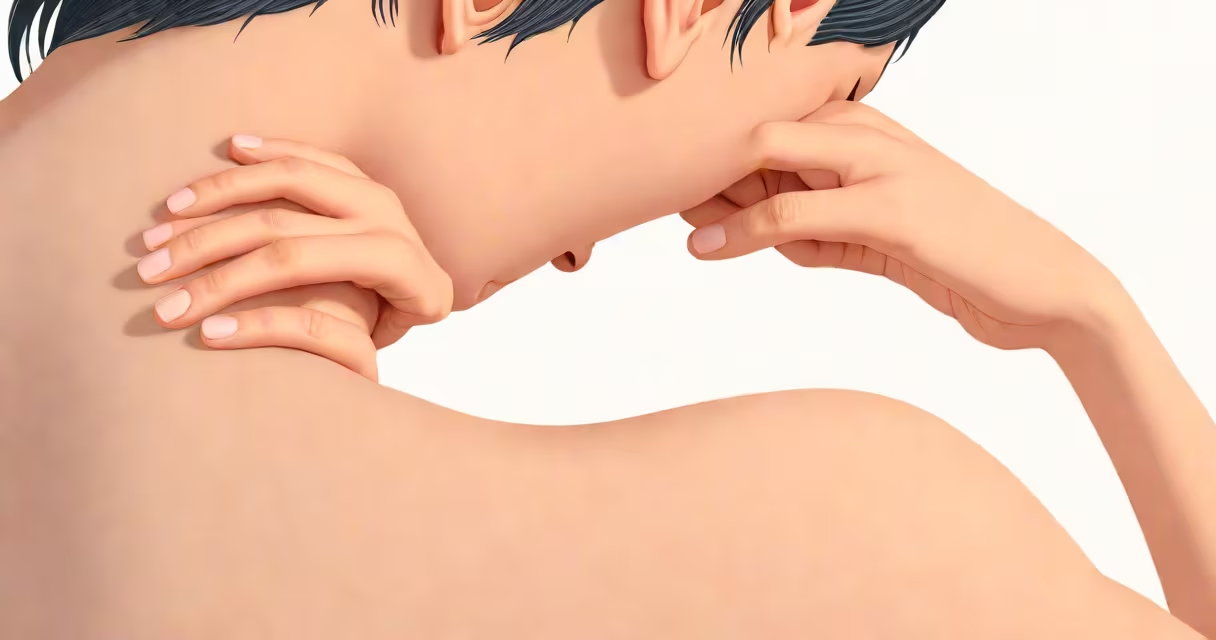
Severe shoulder blade pain typically results from muscle strain, poor posture, nerve compression, or underlying spinal issues. It's not usually a sign of a heart attack, but persistent or sharp pain should be evaluated by a healthcare provider.
When pain radiates from the shoulder blade, it often involves the rhomboid muscles, levator scapulae, or the brachial plexus nerves. These structures control shoulder stability and arm movement. Overuse, prolonged sitting, or sudden movements can trigger acute discomfort. For example, someone who spends eight hours daily at a desk may develop tightness in the upper back muscles, leading to localized tenderness between the shoulder blades.
The American Academy of Orthopaedic Surgeons notes that over 80% of adults report back pain at some point, with the upper back and shoulder region being frequent sites. Pain lasting more than two weeks without improvement warrants medical attention. A physical exam and imaging such as an MRI or X-ray may be needed to rule out structural problems like a herniated disc or rotator cuff injury.
Pain in the shoulder blade area arises when soft tissues or nerves are irritated. The scapula, or shoulder blade, is stabilized by four primary muscles: the rhomboids, trapezius, serratus anterior, and levator scapulae. When these muscles contract excessively due to poor ergonomics or repetitive motion, they can spasm or become inflamed.
Nerve compression is another mechanism. The dorsal scapular nerve supplies sensation and motor control to the rhomboid muscles. If this nerve is compressed-often by tight fascia or a cervical spine issue-it can cause sharp, burning pain between the shoulder blades. This condition is sometimes misdiagnosed as costochondritis or referred pain from the heart, though cardiac pain typically presents with pressure, sweating, and radiation to the left arm.
A 2021 study published in *The Journal of Orthopaedic & Sports Physical Therapy* found that 67% of patients with chronic upper back pain had postural imbalances, including forward head posture and rounded shoulders. These patterns increase load on the upper back muscles and reduce joint mobility, making them prone to fatigue and microtears.
Shoulder blade pain varies in quality and onset. It can be dull and achy from prolonged sitting, sharp and stabbing during movement, or a deep ache that worsens at night. Identifying the pattern helps narrow the cause.
| Type | Common Cause | Duration | Relief Methods |
|---|---|---|---|
| Dull, aching | Poor posture, muscle fatigue | Chronic (days to weeks) | Stretching, ergonomic adjustments |
| Sharp, shooting | Nerve compression, pinched nerve | Acute (hours to days) | Heat, gentle mobilization |
| Burning, tingling | Thoracic radiculopathy, shingles | Variable (acute to subacute) | Medical evaluation, antivirals if shingles |
Repetitive tasks like typing, lifting heavy objects, or sleeping on one side can overload the upper back. For instance, a warehouse worker who lifts boxes above shoulder height daily may develop rhomboid strain. Similarly, someone who sleeps on their stomach with arms extended overhead may compress the brachial plexus, leading to nocturnal pain.
One non-obvious factor: stress. Emotional tension increases muscle tone throughout the body, especially in the neck and upper back. A 2019 study in *Pain Medicine* linked psychological stress to increased prevalence of myofascial pain syndromes, including scapular pain. People under high stress often report tighter muscles and more frequent flare-ups.
While many cases stem from lifestyle factors, some conditions mimic shoulder blade pain and require distinct treatment. Sciatica, for example, causes pain that radiates from the lower back through the hips and legs-not the upper back. But confusion can arise when pain travels along nerve pathways.
Shingles (herpes zoster) is another overlooked cause. It often begins with burning or stabbing pain in a specific dermatomal pattern-such as the area between the shoulder blades-before a rash appears. The CDC reports that about 1 million people in the U.S. develop shingles annually, and early diagnosis reduces complications like postherpetic neuralgia.
I once observed a patient with persistent shoulder blade pain who had no history of trauma. After a physical exam revealed decreased sensation on the left side of the upper back, an MRI showed a small herniation at C5-C6. The nerve root was compressed, causing pain that felt like it originated in the scapular region. Surgery wasn't needed-physical therapy and anti-inflammatory medication resolved symptoms within six weeks.
If shoulder blade pain lasts longer than 10 days, worsens with activity, or includes numbness, weakness, or fever, consult a healthcare provider. Self-care measures include stretching the upper back, correcting workstation setup, and using heat or ice for relief.
Understanding the root cause of why your shoulder blade hurts so bad improves recovery speed and prevents recurrence. Addressing posture, managing stress, and seeking timely care are key steps toward lasting relief.