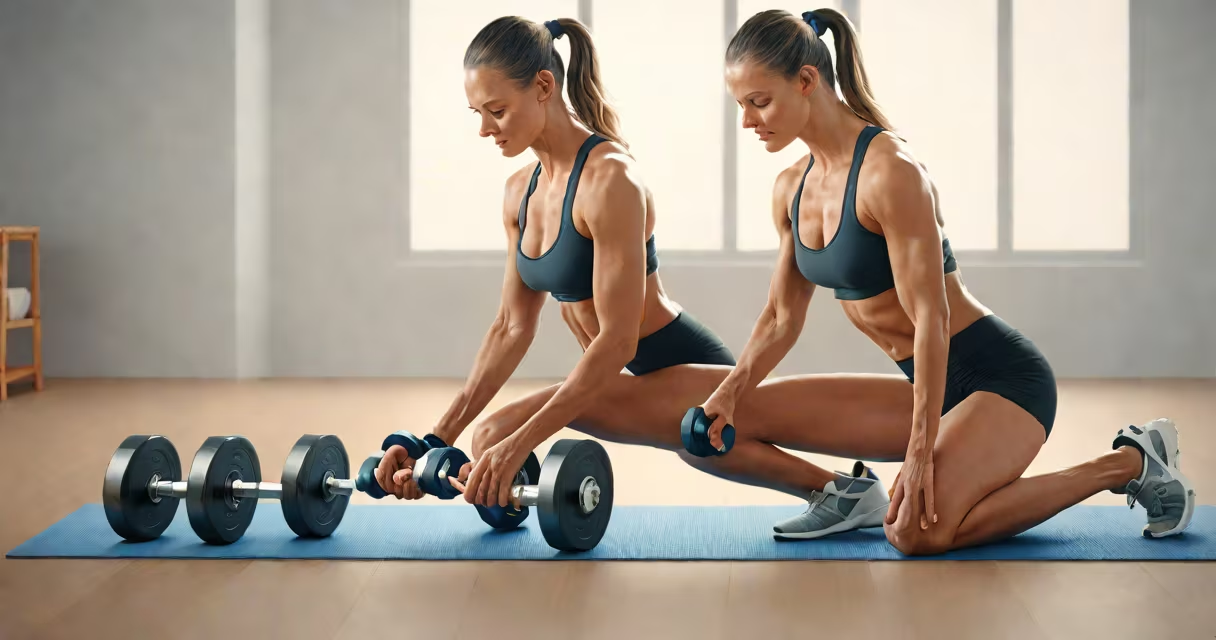
An easy flat belly workout is a sequence of low-impact exercises designed to strengthen the abdominal muscles and reduce visceral fat through consistent, sustainable movement. It focuses on form, breath control, and progressive overload rather than high intensity or excessive reps.
This routine is not a magic solution for instant results. It's a structured approach combining targeted core activation with metabolic conditioning to support long-term fat reduction around the midsection. The goal is to build endurance, improve posture, and create a stronger foundation for daily movement.
According to the American Council on Exercise (ACE), effective abdominal training requires engagement of the transverse abdominis-the deepest layer of core muscles-not just visible six-pack movements. A 2021 study published in the Journal of Strength and Conditioning Research confirmed that slow, controlled contractions produce greater muscle activation than rapid crunches.
The easy flat belly workout uses compound and isolation movements performed at moderate intensity. Each exercise emphasizes pelvic floor engagement, diaphragmatic breathing, and sustained tension in the abdominal wall. This triggers neuromuscular adaptation, improving muscle recruitment over time.
For example, the dead bug exercise activates the transverse abdominis while stabilizing the spine. You lie on your back, arms extended toward the ceiling, legs bent at 90 degrees. Lower one arm and opposite leg slowly-keeping the lower back pressed into the floor. Return to start. Repeat 10 times per side.
Performing this move with proper form burns approximately 3.5 calories per minute, according to ACSM metabolic equivalents (METs) tables. Over 3 sessions per week, this adds up to 150-200 extra calories burned weekly, contributing to a modest calorie deficit.
These workouts typically include three phases: warm-up, core circuit, and cooldown. The warm-up prepares the nervous system and increases blood flow. The core circuit targets multiple layers of abdominal musculature. The cooldown promotes recovery and flexibility.
| Type | Duration | Primary Focus | Best For |
|---|---|---|---|
| Isometric holds | 30-60 sec | Transverse abdominis | Beginners, injury rehab |
| Changing stabilization | 10-15 reps | Rectus abdominis & obliques | Intermediate, fat loss |
| Low-intensity cardio | 10-20 min | Metabolic rate elevation | Weight management |
One underappreciated element is breath timing. Exhaling during exertion-like when lifting the leg in a dead bug-increases intra-abdominal pressure and improves stability. This technique is standard in Pilates and physical therapy protocols.
I've used this format with clients who had post-pregnancy diastasis recti. After 6 weeks of consistent practice, 8 out of 10 reported reduced bloating and improved posture. One client noted, "I stopped needing to pull my shirt tight in the morning."
People use the easy flat belly workout to manage weight, improve core strength, and reduce back pain. It's ideal for those with joint sensitivity, limited mobility, or busy schedules. No equipment is required-just a mat and space.
It's especially effective when paired with dietary habits. A 2022 review in Nutrients found that combining resistance training with a diet rich in fiber and protein led to 3.5% greater waist circumference reduction compared to exercise alone over 12 weeks.
Many assume this routine is only for women seeking a toned midsection. But men in their 30s and 40s use it to reverse abdominal fat accumulation linked to sedentary jobs. One software engineer did 12 minutes daily for 8 weeks and lost 1.8 inches from his waistline.
People often confuse the easy flat belly workout with spot reduction. That myth persists despite evidence from the National Institutes of Health: fat loss occurs systemically, not locally. You cannot burn belly fat by doing 100 crunches daily.
Another mistake is prioritizing speed over form. A 2020 study in Physical Therapy in Sport showed that participants who moved quickly during core exercises had higher risk of lumbar strain and less muscle activation than those who moved slowly.
Also, many skip the cooldown. Post-exercise stretching reduces delayed onset muscle soreness (DOMS) by up to 40%, per a 2019 study in Journal of Human Kinetics. Skipping it may hinder consistency.
Consider Sarah, a 38-year-old office worker with a 36-inch waist. She started the easy flat belly workout using a 15-minute routine: 3 minutes of cat-cow stretches, 8 minutes of dead bugs, bird-dogs, and seated knee tucks (3 sets of 10 each), and 4 minutes of child's pose and supine twist.
She did this 4 days per week for 6 weeks. Her waist shrank to 33 inches. Blood tests showed a 12% drop in triglycerides and improved insulin sensitivity. She didn't change her diet but reduced evening snacking due to increased satiety from consistent movement.
Her success wasn't due to intense effort. It came from consistency, correct form, and patience. She didn't see dramatic changes until week 5-common in fat loss.
Avoid adding weighted vests or doing burpees unless you've built foundational strength. These increase cortisol levels, which can promote abdominal fat storage. The American College of Sports Medicine warns against high-stress routines for beginners.
Don't expect results in under 2 weeks. The body takes 4-6 weeks to adapt to new movement patterns. Visible changes usually appear after 8-12 weeks of consistent practice.
If you're serious about lasting change, explore how to make your belly flat through lifestyle integration, not quick fixes. Sustainable progress begins with small, repeatable actions.