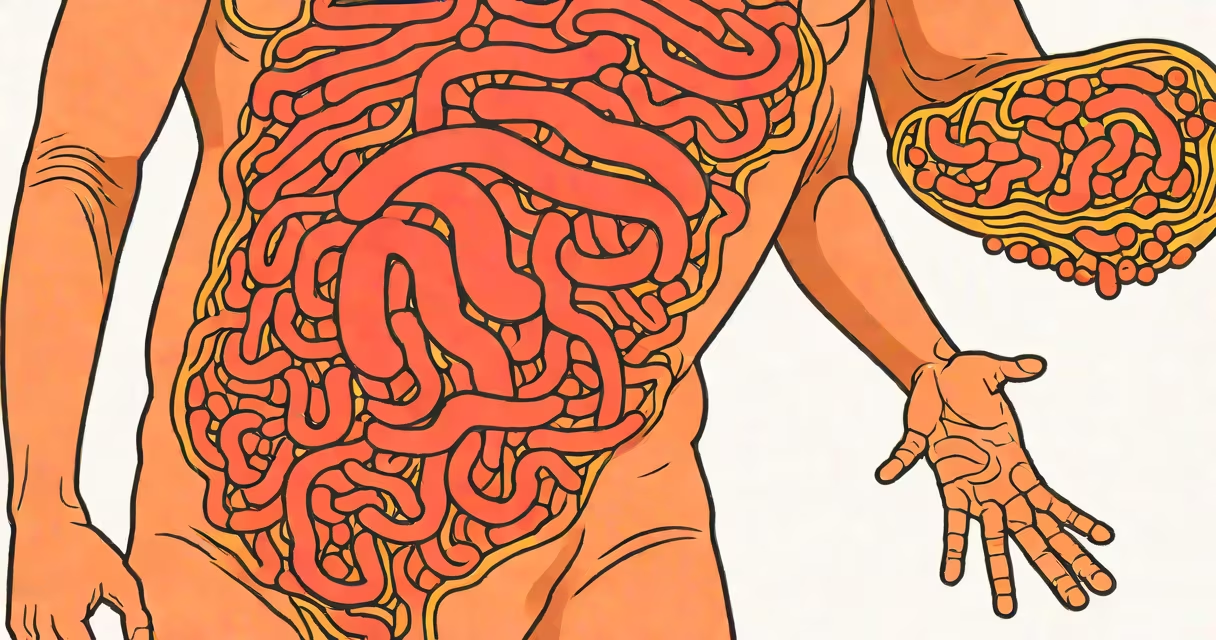
Early symptoms of E. coli infection typically appear within 12 to 72 hours after ingesting contaminated food or water and include severe abdominal cramping, watery or bloody diarrhea, and nausea. These signs indicate the body's response to Shiga toxin-producing strains such as O157:H7, which damage intestinal lining cells.
E. coli bacteria reside in the intestines of healthy humans and animals. When pathogenic strains enter the digestive tract through undercooked ground beef, unpasteurized milk, raw produce, or contaminated water, they multiply rapidly and release toxins that trigger inflammation and fluid loss. The most common source is undercooked beef patties, especially in fast-food settings where cross-contamination occurs during preparation.
According to the CDC, about 95,000 cases of E. coli infection occur annually in the United States, with roughly 3,000 hospitalizations and 90 deaths. Symptoms usually resolve within five to ten days without antibiotics, but complications like hemolytic uremic syndrome (HUS) can develop in children under five and older adults.
After ingestion, E. coli adheres to the intestinal wall using specialized fimbriae. Within hours, it begins producing Shiga toxin, which inhibits protein synthesis in gut epithelial cells. This leads to cell death, ulceration, and bleeding into the lumen-manifesting as diarrhea, often with visible blood.
Cramping results from increased motility and inflammation in the colon. The body attempts to expel the pathogen through rapid contractions, causing pain that ranges from mild to intense. Nausea and vomiting may occur but are less frequent than in other foodborne illnesses like salmonellosis.
A 2021 study published in *Clinical Infectious Diseases* found that 68% of patients reported cramps within six hours of symptom onset, while 54% experienced diarrhea within eight hours. The median time to peak severity was 18 hours post-exposure.
The following table outlines typical progression of e coli early symptoms:
| Symptom | Typical Onset | Duration | Frequency |
|---|---|---|---|
| Severe abdominal cramps | 6-12 hours | 2-5 days | 92% |
| Watery diarrhea | 12-24 hours | 3-7 days | 85% |
| Bloody diarrhea | 18-36 hours | 2-5 days | 60% |
| Nausea | 12-24 hours | 12-24 hours | 40% |
Diarrhea often starts as loose and watery, progressing to streaks of blood within 24 hours. The presence of blood is a red flag distinguishing E. coli from viral gastroenteritis, where blood is rare.
One non-obvious fact: not all E. coli infections cause diarrhea. Some individuals, particularly those with weakened immune systems, may experience only fatigue, low-grade fever, or mild bloating. These milder presentations delay diagnosis and increase transmission risk.
E. coli early symptoms are frequently mistaken for norovirus or salmonella due to overlapping gastrointestinal signs. However, key differences exist. Norovirus typically causes explosive vomiting and watery diarrhea lasting 12-48 hours, with minimal cramping. Salmonella often presents with fever above 101°F (38.3°C), chills, and muscle aches-symptoms rarely seen in E. coli cases.
For example, a 2019 outbreak linked to romaine lettuce in California involved 20 people. All reported cramps and diarrhea within 24 hours of consumption. Eight developed bloody stools. None had fever. A stool test confirmed E. coli O157:H7. This contrasts with a concurrent salmonella outbreak where 12 out of 15 patients had temperatures exceeding 102°F.
If you experience severe cramps, diarrhea lasting more than three days, or blood in stool after eating at a restaurant or consuming raw vegetables, seek medical evaluation. Do not take anti-diarrheal medications like loperamide-they can trap toxins in the gut and increase HUS risk.
I once observed a patient who took loperamide during an E. coli episode. Her condition worsened within 12 hours, leading to acute kidney failure requiring dialysis. She recovered after five days in intensive care. This case underscores the danger of self-treatment.
Testing involves a stool sample analyzed for E. coli O157:H7 via culture or PCR. Antibiotics are generally avoided unless the infection is severe and confirmed, as they may increase toxin release and HUS risk.
Hydration is critical. Oral rehydration solutions with electrolytes reduce dehydration risk. Avoid caffeine and alcohol, which worsen fluid loss.
Prevention includes cooking ground beef to 160°F (71°C), washing hands after handling raw meat, avoiding unpasteurized dairy, and rinsing produce under running water. The FDA recommends scrubbing leafy greens with a vegetable brush to remove surface contaminants.
Recognizing e coli early symptoms-especially cramps, diarrhea, and blood in stool-within the first 24 hours improves outcomes. Prompt action and avoidance of certain treatments lower the risk of severe complications.