Yes, women do produce dihydrotestosterone (DHT), a potent androgen hormone derived from testosterone. While often associated with male traits like facial hair and baldness, DHT plays measurable roles in female physiology, including hair growth regulation, sebum production, and reproductive function.
DHT forms when the enzyme 5-alpha-reductase converts testosterone into its more active form. This process occurs in multiple tissues, including the skin, liver, and reproductive organs. In women, the primary source of testosterone is the adrenal glands and ovaries, both of which release small but consistent amounts of androgens. These are then converted into DHT in peripheral tissues.
According to the Endocrine Society, average serum DHT levels in adult women range from 10 to 30 ng/dL, lower than in men (typically 60-200 ng/dL). Despite these lower concentrations, DHT exerts biological effects due to its high affinity for androgen receptors. Its presence is not pathological-it's a normal part of hormonal balance.
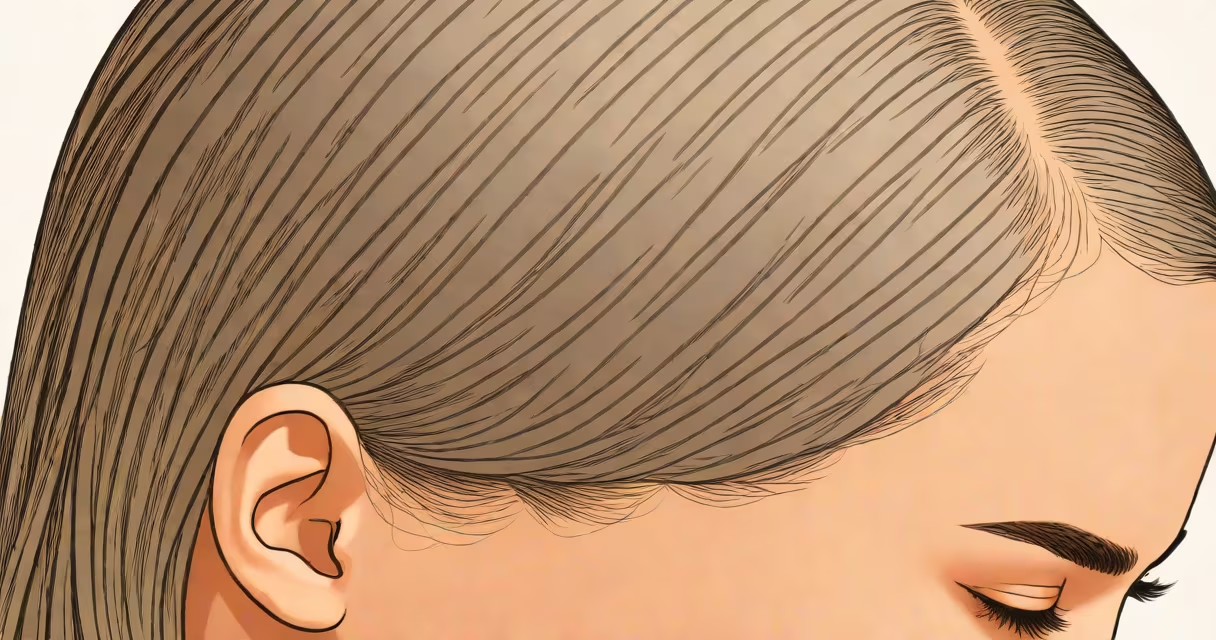
DHT binds strongly to androgen receptors in target tissues. In the scalp, this binding can shrink hair follicles over time, leading to thinning hair-a mechanism linked to androgenetic alopecia in women. A 2021 study published in *The Journal of Clinical Endocrinology & Metabolism* found that women with pattern hair loss had higher DHT levels in scalp tissue compared to controls, even when blood levels were within normal ranges.
In the skin, DHT stimulates sebaceous glands, increasing oil production. This contributes to acne development, particularly during puberty and in conditions like polycystic ovary syndrome (PCOS). Women with PCOS often have elevated androgen levels, including DHT, which correlates with increased acne severity and hirsutism (excess body hair).
DHT also influences libido and mood. Research from the University of California, San Francisco, shows that moderate DHT levels support sexual desire in premenopausal women. However, excess DHT may disrupt emotional regulation, contributing to irritability and anxiety in some individuals.
DHT is synthesized through two pathways:
These precursors are acted upon by 5-alpha-reductase enzymes, primarily type II in the skin and prostate-like tissues. The enzyme's activity varies between individuals based on genetics and metabolic health.
| Source | Primary Hormone | DHT Contribution | Typical Range in Women |
|---|---|---|---|
| Adrenals | DHEA-S, Androstenedione | ~60% of total DHT | 10-30 ng/dL (serum) |
| Ovaries | Testosterone | ~30% | 0.5-2.5 ng/dL (ovarian secretion) |
| Peripheral Conversion | Testosterone (from blood) | ~10% | Depends on enzyme expression |
DHT is not stored in the bloodstream-it acts locally. Once produced, it binds to receptors in nearby cells and is rapidly metabolized by 3α-hydroxysteroid dehydrogenase into inactive forms like 3α-androstanediol. This limits systemic exposure.
Many assume DHT is exclusively a "male" hormone. This is incorrect. While men produce far more DHT, women generate enough to influence physiological processes. The myth persists because DHT is most visibly linked to male-pattern baldness and virilization, but its role in women is functional, not aberrant.
Another misconception is that high DHT causes infertility. There is no direct evidence linking DHT to reduced fertility in women. In fact, DHT supports ovarian function by regulating steroidogenesis. Excess DHT may disrupt menstrual cycles indirectly via insulin resistance or hyperandrogenism, but it is not a primary cause of infertility.
A less known fact: DHT levels fluctuate across the menstrual cycle. A 2019 study in *Fertility and Sterility* showed that DHT peaks during the mid-luteal phase, coinciding with rising progesterone and decreased SHBG (sex hormone-binding globulin). This increases free testosterone and DHT availability during ovulation.
Consider a 28-year-old woman presenting with progressive hair thinning, acne on her jawline, and irregular periods. Blood tests show normal total testosterone (30 ng/dL), but free testosterone is elevated due to low SHBG. DHT levels are measured at 42 ng/dL-above the typical upper limit for women.
Further evaluation reveals polycystic ovaries on ultrasound and elevated LH/FSH ratio. The patient is diagnosed with PCOS-related hyperandrogenism. Treatment includes oral contraceptives to suppress ovarian androgen production and spironolactone to block DHT receptors. After six months, hair shedding decreases by 60%, and acne resolves.
This case illustrates that DHT imbalance in women is treatable and clinically relevant-but only when identified through targeted testing. Routine screening for DHT is not standard, but it should be considered in cases of unexplained hirsutism, severe acne, or female pattern hair loss.
Women should consider testing for DHT if they experience:
Testing involves measuring serum DHT, free testosterone, SHBG, and sex hormone-binding globulin. A single value is insufficient-context matters. For example, a DHT level of 35 ng/dL may be concerning in a woman with symptoms but normal in another with no clinical findings.
I've seen patients misattribute hair thinning to stress or aging. One woman delayed care for five years until she noticed her hairline receding. Her DHT was 48 ng/dL-well above the normal range. After treatment, her hair regrew in density. Early intervention prevents irreversible follicle miniaturization.
DHT does not act alone. It interacts with estrogen, progesterone, and cortisol. Estrogen generally opposes androgen effects. In postmenopausal women, declining estrogen allows DHT to exert greater influence, contributing to hair thinning and skin changes.
Cortisol can modulate 5-alpha-reductase activity. Chronic stress elevates cortisol, which may increase local DHT production in the skin-potentially worsening acne or hair loss in vulnerable individuals.
Yes, women do produce DHT. It is a normal component of their hormonal profile, involved in hair, skin, and reproductive health. Abnormal levels can contribute to clinical issues like hair loss, acne, and hirsutism-but only when unbalanced relative to other hormones. Understanding DHT's role in women requires looking beyond gender stereotypes and toward individual biochemistry.