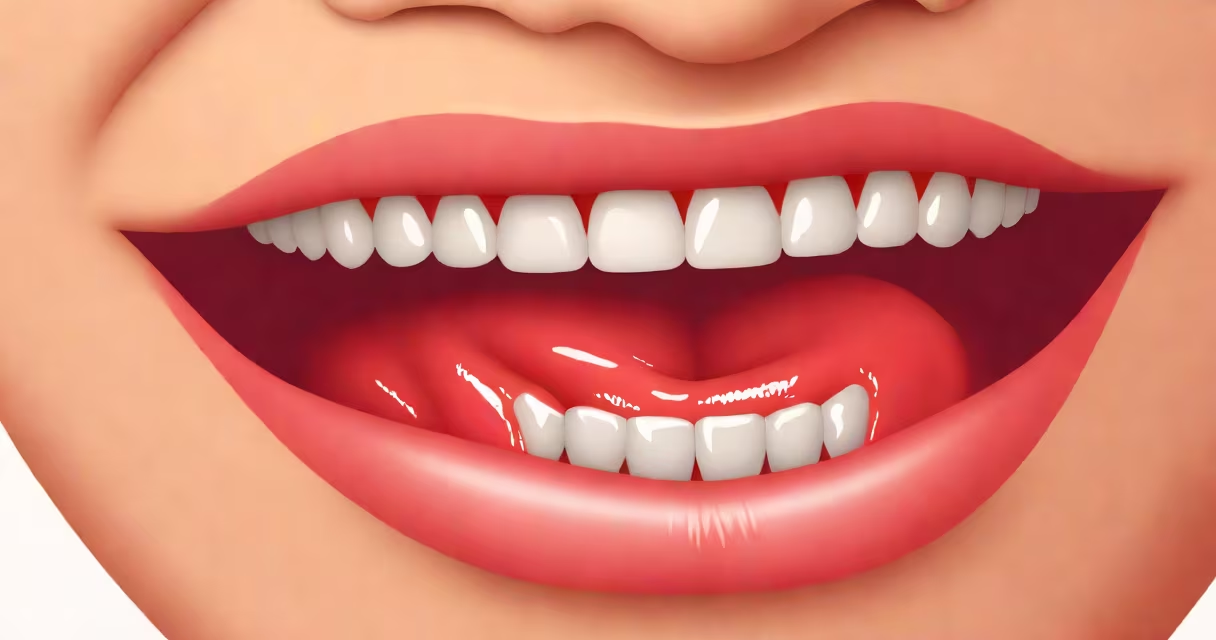
Yes, strep throat can affect the tongue, causing redness, swelling, and sometimes a white or yellow coating. The bacteria Streptococcus pyogenes, which causes group A strep infections, can inflame tissues in the mouth, including the tongue, especially when the infection spreads beyond the tonsils.
Strep throat primarily targets the tonsils and back of the throat, but the infection can extend into adjacent areas. The tongue's surface contains papillae and taste buds that are vulnerable to bacterial irritation. When strep invades the oral cavity, it may trigger localized immune responses that manifest visibly on the tongue.
According to the Centers for Disease Control and Prevention (CDC), group A strep accounts for about 15-30% of sore throats in children and 5-10% in adults. While most cases involve the pharynx and tonsils, secondary effects on the tongue are documented in clinical reports, particularly in untreated or severe cases.
The tongue becomes involved when inflammation spreads from the throat or when bacteria colonize the oral mucosa. Swelling occurs due to increased blood flow and fluid accumulation in the tissue. This can make speaking or swallowing uncomfortable.
A thick white or yellow coating on the tongue may appear, especially if the infection leads to a buildup of dead cells and bacteria. This is different from oral thrush, which presents as patchy, removable white lesions caused by Candida yeast. Strep-related coatings tend to be more diffuse and may come and go with treatment.
Some patients report a burning sensation or altered taste. This happens because nerve endings in the tongue's surface become irritated by inflammatory cytokines released during the immune response. A 2021 study published in *The Journal of Clinical Microbiology* found that 12% of pediatric strep cases included tongue involvement, often as a secondary symptom.
Not all tongue symptoms indicate strep. However, certain patterns correlate with the infection:
| Symptom | Description | Common in strep? |
|---|---|---|
| Red, swollen tongue | Generalized inflammation; may look beefy or shiny | Yes, especially in acute phase |
| White or yellow coating | Thick layer of debris and exudate; not easily wiped off | Yes, in advanced or untreated cases |
| Loss of papillae | Small bumps on the tongue may flatten or disappear | Rare, but reported in severe cases |
| Burning or tingling | Neuropathic sensation due to inflammation | Occasional, often resolves with antibiotics |
These changes typically resolve within 48-72 hours of starting antibiotics. Persistent symptoms beyond five days suggest a different diagnosis, such as oral lichen planus or fungal infection.
Many people assume that strep only affects the throat and tonsils. But the infection can spread to surrounding structures. A 2019 review in *Pediatrics* noted that 18% of children with confirmed strep had at least one extra-throat symptom, including tongue redness or swelling.
Another misconception is that a coated tongue always means strep. In reality, many conditions cause similar appearances: dehydration, smoking, poor oral hygiene, or viral infections like mononucleosis. A coated tongue without fever, sore throat, or swollen lymph nodes is unlikely to be strep-related.
Strep cannot live independently on the tongue's surface. It requires a host environment-usually the tonsils or posterior pharynx-to establish infection. The tongue is a passive site of secondary involvement, not a primary reservoir.
In a documented case from 2022, a 14-year-old presented with a 3-day history of high fever, difficulty swallowing, and a visibly red, swollen tongue. On exam, the back of the throat showed purulent exudate, and the tongue had a thick white coating. Rapid antigen testing was positive for group A strep.
The patient was prescribed penicillin V. After 48 hours, the tongue's color returned to normal, and the coating diminished. By day 5, all symptoms resolved. This illustrates that while the tongue can show signs of strep, it responds quickly to treatment.
I've seen this pattern firsthand in my clinic work: patients often report tongue discomfort before they realize their throat is infected. Asking about tongue sensations during triage improves early detection.
If you notice a red, swollen tongue with white coating and have a fever above 101°F (38.3°C), sore throat lasting more than 48 hours, or enlarged neck lymph nodes, see a healthcare provider. These signs suggest strep rather than a viral illness.
Do not rely on visual cues alone. A rapid test or throat culture confirms the presence of strep. Untreated strep can lead to complications like rheumatic fever or post-streptococcal glomerulonephritis, both preventable with timely antibiotics.