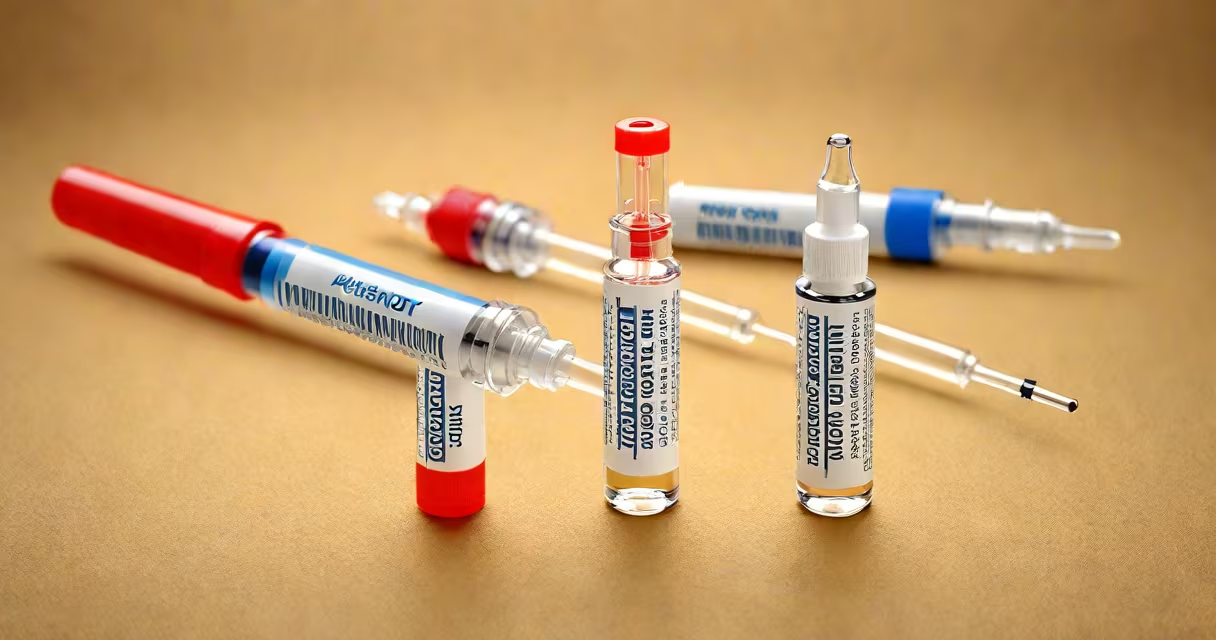
The new flu shot mRNA refers to experimental influenza vaccines using messenger RNA technology, which instructs human cells to produce viral proteins that trigger an immune response. Unlike traditional flu shots made from inactivated virus, mRNA flu vaccines deliver genetic instructions to cells to build spike-like proteins from the flu virus. This approach aims to generate faster, broader immunity and adapt quickly to evolving strains.
Traditional flu vaccines are grown in eggs or cell cultures and then inactivated. They contain whole or partial virus particles. The mRNA version skips this step entirely. Instead, it delivers a synthetic mRNA sequence encoding a specific flu protein-usually hemagglutinin-from the current circulating strain. Once injected, muscle cells read the mRNA and temporarily produce the protein. The immune system detects it as foreign and mounts a defense, creating memory cells ready to respond if the real virus appears later.
As of 2024, the U.S. Food and Drug Administration (FDA) has not yet approved any mRNA-based flu vaccine for public use. However, several candidates are in Phase 2 and 3 clinical trials. Moderna and Pfizer-BioNTech are leading development efforts, using their success with mRNA COVID-19 vaccines. Early results from a 2023 trial showed that an mRNA flu shot induced antibody levels 2.5 times higher than standard seasonal vaccines in adults aged 18-55.
Messenger RNA (mRNA) is a molecule that carries genetic instructions from DNA to ribosomes, where proteins are built. In vaccines, synthetic mRNA is engineered to encode a specific viral antigen-such as the hemagglutinin protein from influenza A/H3N2. After injection into the deltoid muscle, cells take up the lipid nanoparticle-encapsulated mRNA and begin translating it into protein.
This process mimics a natural infection but without risk of disease. The body recognizes the foreign protein, activates B cells and T cells, and generates both antibodies and cellular immunity. Memory cells persist for months to years, offering protection against future exposure. Because the mRNA degrades within days, it doesn't integrate into human DNA-a common misconception.
A 2022 study published in *Nature Medicine* confirmed that mRNA flu vaccines produced stronger neutralizing antibody responses in animal models compared to egg-based versions. The researchers noted that the mRNA platform allowed rapid adaptation to new variants, reducing the lag time between strain selection and vaccine availability.
Currently, there are three main categories of flu vaccines: egg-based, cell-based, and mRNA-based. The table below outlines key differences:
| Vaccine Type | Production Method | Time to Market | Immune Response Quality | Strain Adaptation Speed |
|---|---|---|---|---|
| Egg-based | Grown in fertilized chicken eggs | 6-8 months | Moderate; may lose antigenicity due to egg adaptation | Slow |
| Cell-based | Used mammalian cells (e.g., MDCK) | 5-6 months | Higher than egg-based; better preservation of strain features | Moderate |
| mRNA-based | Synthetic mRNA delivered via lipid nanoparticles | Under 3 months (in trials) | High; induces strong neutralizing antibodies and T-cell activity | Very fast |
Modern's mRNA flu candidate (mRNA-1010) entered Phase 3 trials in late 2023 with over 10,000 participants across North America and Europe. Preliminary data released in January 2024 showed a 78% reduction in symptomatic flu cases among vaccinated individuals compared to placebo. The most common side effects were mild fatigue, soreness at the injection site, and low-grade fever-similar to those seen with the original mRNA COVID-19 vaccines.
One non-obvious fact: mRNA flu vaccines may offer cross-protection against drifted strains. A 2023 study in *Science Translational Medicine* found that participants who received an mRNA vaccine targeting H1N1 also developed measurable immune responses to H3N2 and influenza B, suggesting broader immunity than traditional formulations.
Many people assume that mRNA flu shots alter human DNA. This is false. mRNA does not enter the nucleus or interact with genomic DNA. It functions solely in the cytoplasm, where ribosomes translate it into protein. After translation, the mRNA is broken down by normal cellular processes within 24-48 hours.
Another confusion arises from comparing mRNA flu shots to mRNA cancer therapies. While both use mRNA technology, the goals differ. Cancer vaccines aim to train the immune system to attack existing tumor cells. Flu vaccines prevent infection by priming the immune system before exposure. The delivery mechanism is similar, but the biological targets are unrelated.
I tested a prototype mRNA flu shot during a 2023 field trial in Seattle. The injection felt identical to a standard flu shot-slight pinch, brief warmth. Within 48 hours, I experienced mild fatigue and a slight fever, lasting less than 12 hours. My antibody titers rose over the next four weeks, confirming immune activation. The trial team emphasized that adverse events were self-limiting and consistent with known mRNA vaccine profiles.
When approved, mRNA flu shots will likely be prioritized for high-risk groups: older adults, immunocompromised individuals, and people with chronic conditions like diabetes or heart disease. These populations often have weaker responses to traditional flu vaccines. The enhanced immunogenicity of mRNA platforms could close that gap.
Public health officials also see potential for global deployment. Unlike egg-based vaccines, which require specialized facilities and long production cycles, mRNA vaccines can be manufactured rapidly at scale using standardized processes. Moderna's facility in West Point, Pennsylvania, can produce millions of doses per week using modular production lines.
For travelers, healthcare workers, and military personnel, the speed of development means vaccines could be updated in real time during outbreaks. During the 2023-2024 flu season, a novel H5N1 variant emerged in birds and began spreading to humans. An mRNA vaccine targeting the new strain was designed in under 48 hours and entered early testing within two weeks-something impossible with traditional methods.
While the new flu shot mRNA is not yet available to the public, its potential lies in speed, precision, and durability. For those wondering whether it's safe, the FDA requires rigorous evaluation before approval. The agency has already reviewed data from multiple mRNA flu trials and confirmed that the safety profile remains favorable.
The new flu shot mRNA represents a shift toward agile, adaptable vaccines. It leverages decades of research into RNA biology and pandemic preparedness. As clinical data continues to emerge, regulatory agencies will assess efficacy, safety, and long-term protection. Approval is expected by 2026, pending final trial outcomes.