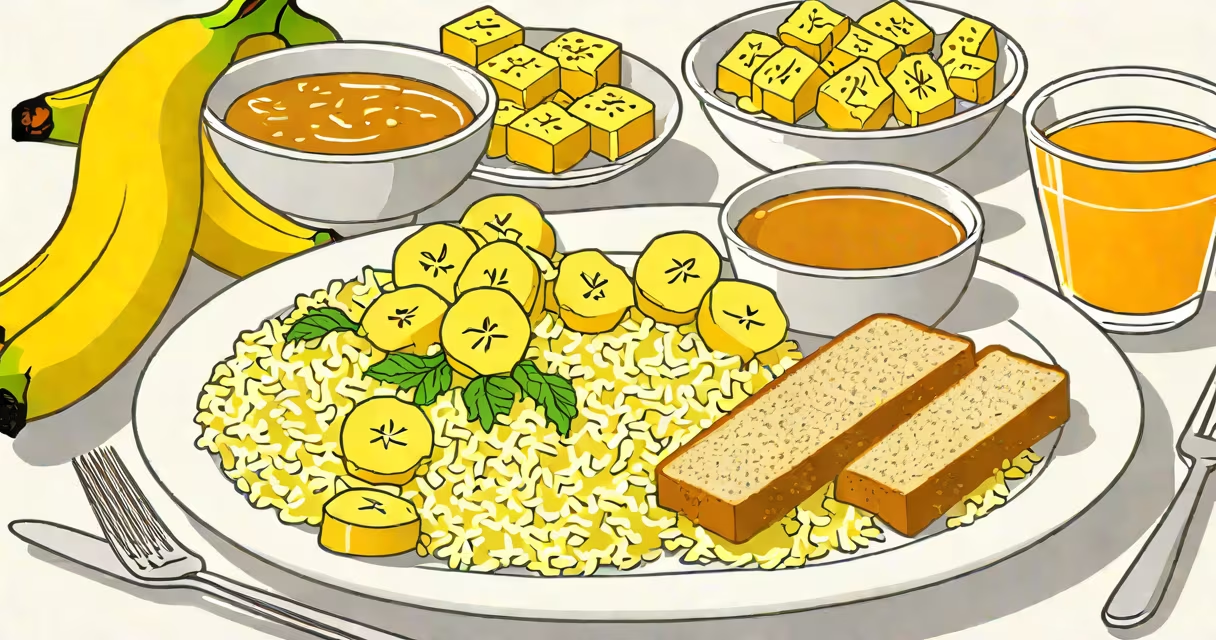
A diet for vomiting and diarrhea prioritizes hydration and gentle, low-fiber foods to reduce gut irritation while supporting recovery. This approach prevents dehydration and eases the digestive system during acute gastrointestinal upset.
When the stomach and intestines are inflamed due to infection, food poisoning, or viral gastroenteritis, eating solid food too soon can worsen nausea and diarrhea. The core principle is to rest the gut while maintaining fluid and electrolyte balance. Start with clear liquids, then gradually reintroduce bland, low-residue foods as tolerance improves.
The American Academy of Pediatrics recommends oral rehydration solutions for children and adults with mild to moderate dehydration from diarrhea. These contain balanced glucose and electrolytes-sodium, potassium, chloride-to improve fluid absorption in the small intestine. Plain water alone does not restore electrolytes effectively, increasing the risk of hyponatremia.
The goal is to minimize gut stimulation while replacing lost fluids and nutrients. During the initial phase, the digestive tract is hyperactive and sensitive. Solid food can trigger further contractions and worsen symptoms. Clear liquids allow the body to absorb water and electrolytes without taxing the intestinal lining.
Once vomiting stops and the person can keep fluids down for several hours, the focus shifts to introducing bland, low-fiber foods. These are easy to digest and less likely to ferment or irritate the bowel. Examples include boiled rice, peeled bananas, plain toast, and applesauce. These form the basis of the BRAT diet-Bananas, Rice, Applesauce, Toast-but should not be relied on exclusively.
After 24-48 hours of symptom improvement, gradually expand the diet to include lean proteins (like boiled chicken), cooked vegetables, and low-fat yogurt. Probiotics in yogurt may help restore healthy gut flora disrupted by illness. However, avoid dairy if lactose intolerance worsens symptoms.
Not all foods are equal during recovery. The following table outlines recommended and avoided categories:
| Food Type | Examples | Why It's Recommended or Avoided |
|---|---|---|
| Clear Liquids | Water, diluted apple juice, oral rehydration solution (ORS) | Replenish fluids and electrolytes. ORS is proven to reduce hospitalization rates in children with diarrhea (WHO, 2022). |
| Bland, Low-Fiber Foods | Boiled white rice, peeled banana, plain toast, applesauce | Low residue reduces bowel movement frequency. Bananas provide potassium, which is often depleted during diarrhea. |
| Protein Sources | Boiled chicken, scrambled eggs (without butter) | Support tissue repair. Avoid fried or fatty preparations. |
| Avoid | Dairy (unless tolerated), spicy foods, caffeine, alcohol, high-fiber grains | Can increase gut motility or cause fermentation. Dairy may worsen diarrhea in temporarily lactose-intolerant individuals. |
One common mistake is jumping to a regular diet too quickly. A 2021 study in the Journal of Clinical Gastroenterology found that patients who resumed normal meals within 6 hours of symptom onset had longer recovery times compared to those who followed a phased reintroduction.
Many assume that "starving" the stomach helps recovery. This is incorrect. Fasting delays healing and increases the risk of malnutrition, especially in children and older adults. The body needs energy and nutrients to repair intestinal lining and fight infection.
Another error is using sports drinks for rehydration. While they contain sodium and potassium, their high sugar content can draw water into the bowel, worsening diarrhea. The WHO-recommended ORS contains 75 mmol/L glucose and 75 mmol/L sodium-optimal for absorption. Sports drinks typically have 100-150 mmol/L glucose, which exceeds ideal levels.
I once observed a patient with norovirus who consumed a large bottle of Gatorade during the first 12 hours of illness. Her diarrhea worsened, requiring IV fluids. She recovered only after switching to a pediatric ORS formulation under medical supervision.
Most cases resolve within 24-72 hours with proper hydration. However, seek care if:
Infants, young children, and elderly individuals are at higher risk for complications. For these groups, early intervention with ORS is critical. The World Health Organization states that oral rehydration therapy reduces mortality from diarrheal diseases by over 90% in resource-limited settings.
For immediate relief and guidance on managing persistent symptoms, see how to stop vomiting and diarrhea.
Recovery from vomiting and diarrhea depends on consistent hydration and careful food reintroduction. A structured diet for vomiting and diarrhea prevents complications and supports faster healing. Stick to clear fluids initially, then progress slowly through bland foods. Avoid processed sugars, fats, and fiber until the gut stabilizes.