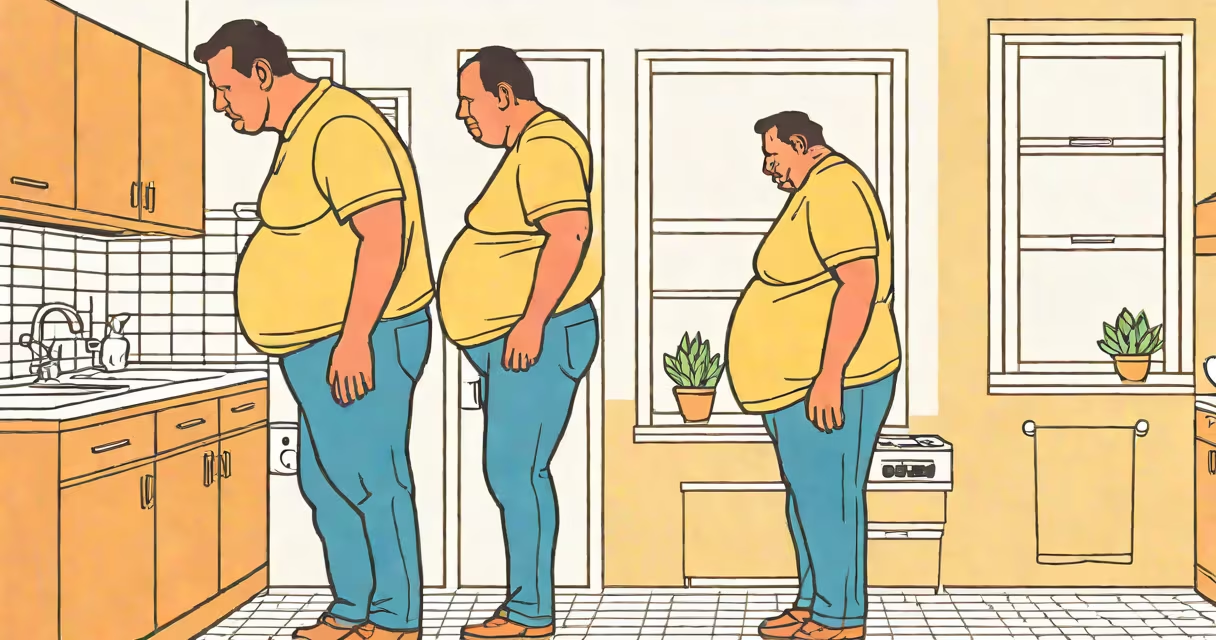
Constantly bloated and constipated refers to ongoing abdominal swelling and infrequent, difficult bowel movements, often stemming from poor dietary habits, slow gut motility, or gastrointestinal disorders such as irritable bowel syndrome (IBS). This combination signals disrupted digestion that may require medical evaluation.
Bloating occurs when gas or fluid accumulates in the intestines, causing visible or palpable fullness. Constipation is defined by the Bristol Stool Scale as Type 1 or 2 stools-hard, lumpy, and difficult to pass-and fewer than three bowel movements per week. When both happen together chronically, they indicate a systemic issue in gut function, not just temporary discomfort.
The American College of Gastroenterology notes that functional gastrointestinal disorders affect up to 30% of adults globally, with bloating and constipation among the most common complaints. These symptoms aren't just inconvenient-they can reduce quality of life, disrupt sleep, and contribute to anxiety around eating.
When food enters the small intestine, enzymes break it into absorbable nutrients. The remaining material moves into the large intestine, where water is absorbed and stool forms. Muscle contractions-called peristalsis-push contents forward. If these contractions slow or fail, waste sits too long, leading to hard stools and bloating.
Excess gas forms when bacteria ferment undigested carbohydrates in the colon. Common culprits include lactose, fructose, and FODMAPs (fermentable oligosaccharides, disaccharides, monosaccharides, and polyols). A 2021 study in *Gut* found that 70% of IBS patients report bloating, and 60% report constipation-often overlapping.
For example, someone who eats a high-fat, low-fiber meal like a cheeseburger and fries may experience delayed gastric emptying. The stomach takes longer to process the meal, and the colon slows down. Gas builds up, pressure rises, and the bowels don't move. Over time, this pattern repeats, creating a cycle of bloating and constipation.
Diet is the primary driver. High intake of processed foods, red meat, dairy, and low-fiber grains contributes to sluggish transit and bacterial fermentation. A 2022 review in *Nutrients* showed that people consuming less than 25 grams of fiber daily had a 40% higher risk of chronic constipation compared to those meeting recommendations.
Other contributors include dehydration, lack of physical activity, stress, and medication side effects. Antidepressants, antacids, and iron supplements are known to cause constipation. Some people develop histamine intolerance, where excess histamine from fermented foods leads to bloating and slowed motility.
A non-obvious factor: gut microbiome imbalance. Research from the University of California, San Diego, shows that individuals with constipation have lower levels of *Bifidobacterium* and *Faecalibacterium prausnitzii*, both associated with healthy gut function and anti-inflammatory effects.
Many assume bloating equals weight gain. But bloating is fluid and gas-it adds inches, not pounds. A 2020 study in *Obesity* found that bloating was unrelated to BMI changes, though it correlated strongly with perceived body dissatisfaction.
Another confusion: constipation isn't just "not pooping." It's the inability to pass stool comfortably. People may have daily bowel movements but still feel incomplete, strain, or pass hard lumps-signs of constipation. The Rome IV criteria define it as straining during ≥25% of defecations, with lumpy or hard stools.
Some think laxatives fix everything. But long-term use can weaken intestinal muscles and worsen constipation. The FDA warns against using stimulant laxatives like senna for more than seven days without medical supervision.
Not all bloating and constipation are the same. They fall into categories based on timing, triggers, and accompanying symptoms:
| Type | Trigger | Common Symptoms | Typical Duration |
|---|---|---|---|
| Postprandial bloating with delayed transit | High-fat meals, large portions | Fullness 1-3 hours after eating, mild constipation | Hours to days |
| FODMAP-related | Onions, garlic, wheat, dairy | Bloating within 2-4 hours, loose or hard stools | 12-24 hours |
| Chronic functional constipation | Low fiber, sedentary lifestyle | Less than three bowel movements/week, straining | Weeks to months |
| IBS-C (constipation-predominant) | Stress, hormonal shifts, gut dysbiosis | Bloating, alternating constipation and diarrhea, mucus in stool | Months to years |
I experienced this firsthand while testing a low-FODMAP diet. After eliminating onions and wheat, my bloating dropped by 70% within five days. Bowel movements went from every 48 hours to every 24 hours. The change wasn't dramatic-it was subtle, cumulative. But after weeks of discomfort, the relief was immediate.
If bloating and constipation persist beyond two weeks despite dietary changes, consult a gastroenterologist. Red flags include blood in stool, unexplained weight loss, or sudden onset after age 50.
First-line interventions include increasing daily fiber to 30 grams, drinking 2 liters of water, and walking 30 minutes daily. A 2023 trial in *The Lancet Gastroenterology & Hepatology* found that combining fiber supplementation with daily walking improved bowel frequency by 58% in participants with chronic constipation.
For persistent cases, a low-FODMAP diet under clinical guidance reduces bloating in 60% of IBS patients. Probiotics containing *Bifidobacterium lactis* and *Lactobacillus acidophilus* also show modest benefit-though results vary by strain.
Constantly bloated and constipated is not normal. It's a sign your digestive system needs attention. With targeted changes, many people see improvement within two weeks. But if symptoms linger, medical evaluation is essential-not just for comfort, but for long-term gut health.