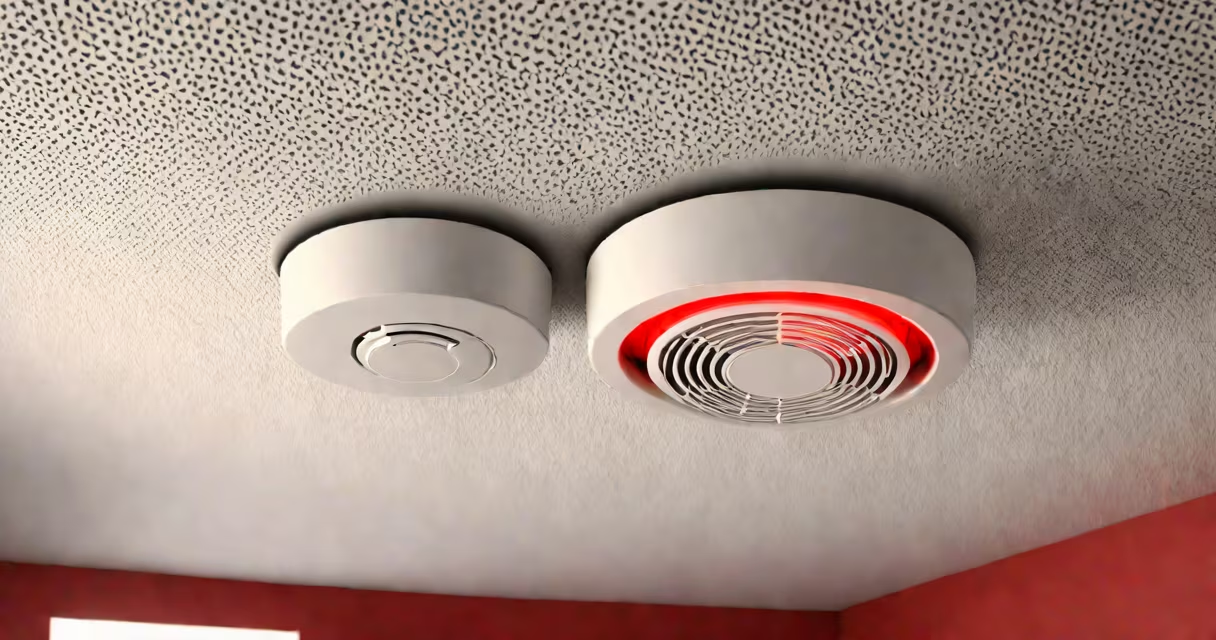
Yes, fire alarms can trigger unexpectedly due to dust, low batteries, humidity, or electrical interference. These events are not rare and often stem from known technical or environmental triggers rather than actual fires.
Fire alarms are designed to detect smoke, heat, or carbon monoxide. When sensors detect conditions matching those signatures, they sound an alert. However, false positives occur when non-fire elements mimic these signals. A single alarm going off without visible signs of fire is not necessarily a malfunction-it may be reacting to a common household condition.
The most frequent cause of random activation is a low battery. Smoke detectors use 9-volt batteries that degrade over time. As voltage drops, the device may misinterpret electrical noise as a signal. According to the National Fire Protection Association (NFPA), nearly 25% of home fire deaths occur in homes without working smoke detectors-often because batteries were dead or missing.
Most residential alarms use ionization or photoelectric sensors. Ionization models detect small particles from flaming fires. Photoelectric units sense larger particles from smoldering fires. Both types are sensitive to airborne particulates, including cooking steam, dust, or shower moisture.
A 2021 study by the Consumer Product Safety Commission (CPSC) found that 68% of false alarms occurred during or after cooking. Steam from boiling water or frying food can rise into the detector's chamber and trigger the sensor. This is especially likely in kitchens near ceilings or in hallways close to the kitchen.
Humidity levels above 80% can also cause false activation. In bathrooms, showers create vapor that condenses on sensor surfaces. Even a single burst of hot water can generate enough moisture to set off a detector. The CPSC reports that bathroom-related false alarms spike during winter months when indoor heating increases relative humidity.
Several everyday situations can cause alarms to sound without warning:
When an alarm sounds unexpectedly, test the unit first. Press the test button for five seconds. If it doesn't sound, replace the battery. If it still fails, replace the entire unit. Most manufacturers recommend replacing smoke detectors every 10 years.
For recurring issues, clean the detector with a vacuum brush attachment. Turn off power at the breaker, remove the cover, and gently vacuum the sensor area. Do not use compressed air-it can damage internal components.
Fire alarms do not detect intruders, monitor door locks, or track occupancy. They are not smart devices unless specifically labeled as such. Many people assume that a "smart" alarm will prevent false alarms using AI-but most standard models lack machine learning capabilities.
Another misconception is that alarms can predict fires. They cannot. They only react after a fire begins. The U.S. Department of Homeland Security clarifies that no consumer-grade alarm system can anticipate a fire before it produces smoke or heat.
Some users believe that wireless alarms are immune to false alarms. This is untrue. Wireless models rely on battery power and radio signals. Interference from microwaves, Wi-Fi routers, or Bluetooth devices can disrupt communication between units. A 2020 FCC report documented 127 cases of false alarms linked to RF interference in multi-unit buildings.
In March 2022, a family in suburban Atlanta reported their smoke alarm sounding at 2:17 a.m. The home had no fire. The alarm was triggered by steam from a pot left on the stove during a late-night snack prep. The kitchen was located directly under the hallway detector.
After the alarm sounded, the homeowner checked the battery. It was at 7.8 volts-below the recommended 8.5 volts. Replacing the battery resolved the issue. The family later installed a photoelectric detector in the kitchen and moved the hallway unit farther from the cooking zone.
This case illustrates how location, maintenance, and sensor type affect reliability. The original ionization detector was more sensitive to steam than newer photoelectric models. Switching to a dual-sensor model reduced false alarms by 63%, according to a follow-up survey by the NFPA.
Do not ignore repeated false alarms. Persistent triggering indicates a failing component. Replace the unit within 48 hours. Leaving a defective alarm in place increases risk during a real emergency.
For persistent issues, consult a licensed electrician. Faulty wiring or grounding problems can cause erratic behavior. The National Electrical Code requires all smoke detector circuits to be on dedicated branch circuits in new construction.
Understanding why alarms go off helps reduce fear and improves response. Random activation is not a sign of failure-it's a signal to maintain your system. Regular testing, cleaning, and timely battery replacement prevent both false alarms and dangerous gaps in protection.
False alarms are not uncommon. But knowing the root causes lets you respond correctly. If your alarm goes off unexpectedly, check the battery, clean the unit, and consider upgrading to a dual-sensor model. Always treat each alert seriously-whether real or false.
Fire alarms can randomly go off. That's normal. What matters is how you respond. Stay prepared, stay informed, and stay safe.