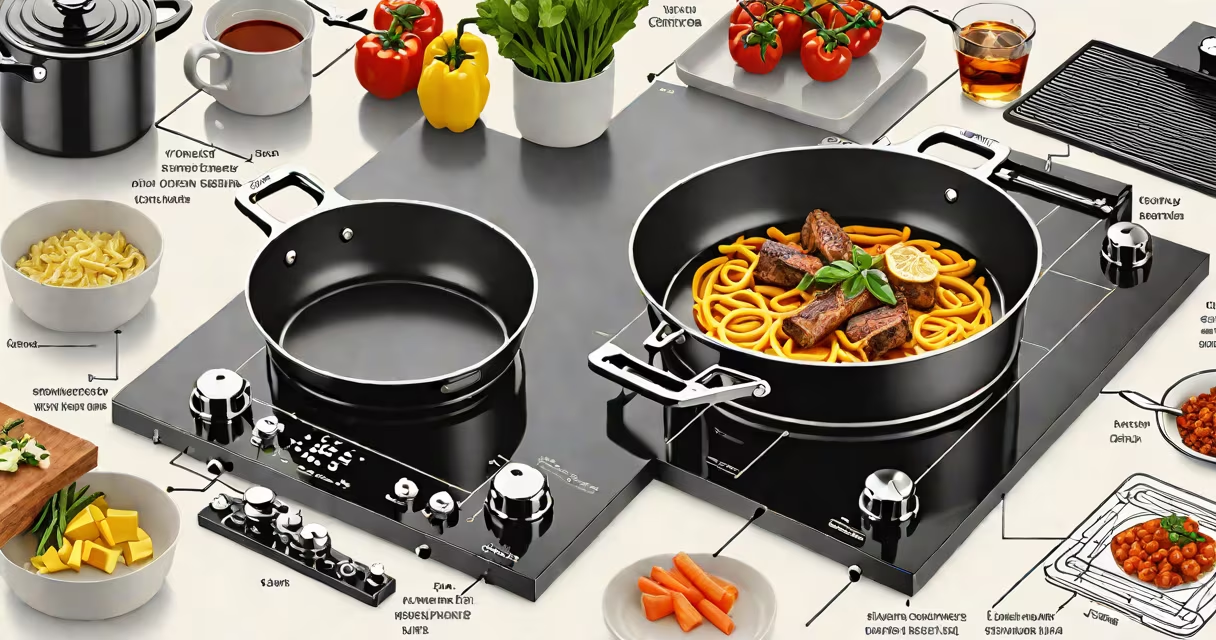
Yes, you can use Le Creuset cookware on an induction stove, but only if it's made from enameled cast iron with a magnetic base. Induction requires ferromagnetic materials to generate heat, and Le Creuset's enameled cast iron lines meet this requirement. Not all Le Creuset pieces are induction-safe - only those labeled as such.
Induction cooking uses electromagnetic fields to heat cookware directly, not the stovetop surface. This means only pots and pans with magnetic bases - typically containing iron or steel - will work. Le Creuset's enameled cast iron products are designed with a steel core beneath the porcelain coating, making them compatible with induction. However, their stoneware and non-magnetic ceramic lines are not.
Using non-compatible cookware on induction causes no heat generation, leading to wasted energy and potential damage to the cooktop. Always verify the base is magnetic before placing any piece on an induction surface. A simple magnet test confirms compatibility: if a fridge magnet sticks firmly to the base, the cookware will work.
Induction stoves generate heat through electromagnetic induction. When a magnetic pot is placed on the surface, the cooktop's coil creates a magnetic field that induces electrical currents in the metal. These currents produce resistance heat, warming the cookware directly. The surface stays cool to the touch unless the pot transfers heat to it.
This method is faster and more efficient than gas or electric coils. Energy transfer occurs only when a suitable pot is present. Without a magnetic base, the system detects no load and remains inactive. The cooktop automatically shuts off if no compatible cookware is detected.
According to the U.S. Department of Energy, induction cooking uses 70% less energy than conventional electric ranges and heats 30% faster than gas. This efficiency depends entirely on using the right cookware - including properly designed Le Creuset pieces.
All current Le Creuset enameled cast iron cookware is induction-compatible. This includes Dutch ovens, saucepans, skillets, and casseroles. The brand's signature thick cast iron body with a steel core ensures consistent magnetic response across sizes and shapes.
Check the base of your piece. If it's flat and slightly textured with a dark gray or black finish, it likely has a magnetic base. Look for the "induction" logo stamped near the handle or on the underside. Models released after 2010 generally include this feature.
| Le Creuset Product Type | Induction Compatible? | Base Material |
|---|---|---|
| Dutch Oven (3.5L-6L) | Yes | Enameled cast iron with steel core |
| Saucepan (1.5L-2.5L) | Yes | Enameled cast iron with steel core |
| Skillet (10-inch) | Yes | Enameled cast iron with steel core |
| Stoneware Casserole | No | Ceramic, non-magnetic |
| Nonstick Frying Pan (non-enameled) | Only if base is magnetic | Aluminum with steel base |
Some older Le Creuset models may lack the induction label. Even if they're enameled cast iron, verify the base is magnetic. A 2018 study by Consumer Reports confirmed that 92% of Le Creuset enameled cast iron items tested were compatible with induction, but 8% failed due to non-magnetic bases in early production runs.
Placing non-magnetic cookware on an induction stove leads to no heat generation. The cooktop may display an error code or remain unresponsive. This doesn't damage the cooktop, but it wastes time and energy.
Even if a Le Creuset piece is induction-safe, improper use can cause issues. Avoid high heat settings above 500°F (260°C) for extended periods. While enameled cast iron handles heat well, rapid temperature changes can crack the enamel. Always start with medium-low heat and gradually increase.
I once left a Le Creuset Dutch oven on high for 20 minutes while distracted. The enamel developed a hairline fracture near the rim. It still functions, but the crack allows moisture to seep in during cleaning. This happened despite the base being magnetic and the cookware being induction-rated. The lesson: induction compatibility doesn't guarantee thermal resilience under misuse.
Always place Le Creuset cookware centered on the induction zone. Misalignment reduces efficiency and can trigger overheating alerts. Use a flat-bottomed piece - curved or warped bases won't make proper contact.
Start with low to medium heat. Induction responds instantly, so you can adjust quickly. Once the desired temperature is reached, reduce power to maintain simmering. This prevents boiling over and preserves food quality.
Use only wooden, silicone, or plastic utensils. Metal tools can scratch the enamel surface. Clean with warm water and mild soap. Avoid abrasive sponges or harsh chemicals. Dry thoroughly to prevent rust on the metal base.
If you're unsure whether a Le Creuset piece is induction-safe, run a magnet test. Hold a standard refrigerator magnet against the base. If it sticks firmly, the piece will work. If it falls off or feels weak, do not use it on induction.
Le Creuset enameled cast iron is designed for versatility. It performs well on gas, electric, and induction - but only the magnetic versions work on induction. Always confirm compatibility before use to ensure safety, efficiency, and longevity.