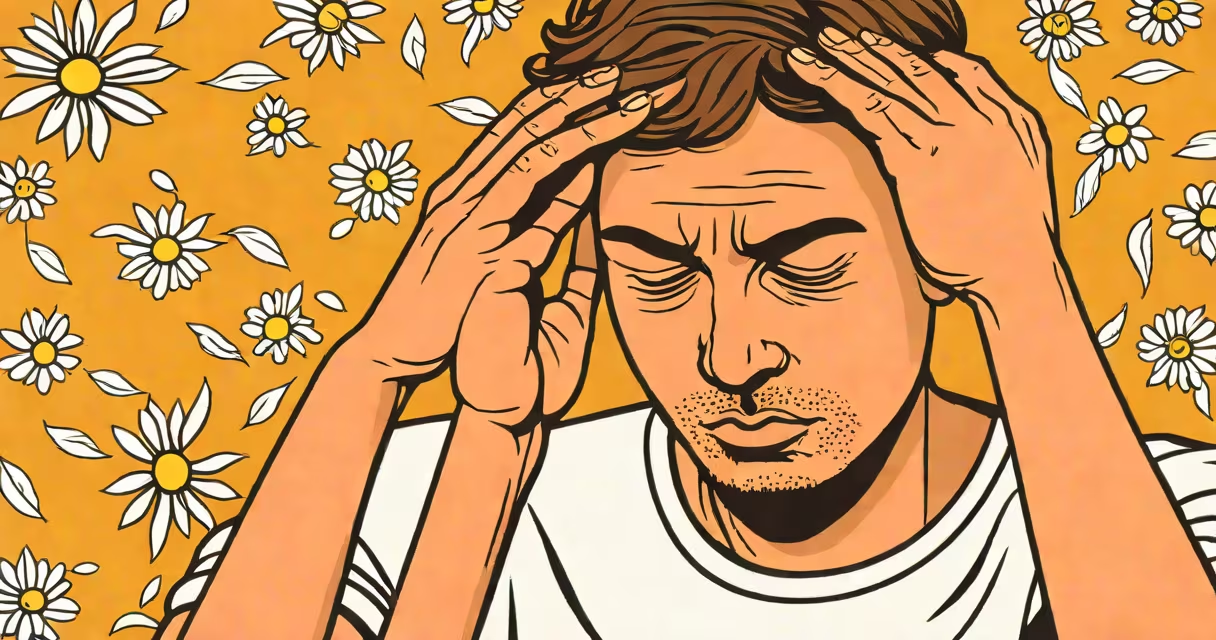
Allergies can cause persistent fatigue, nausea, and general malaise due to ongoing immune system activation and inflammatory responses. This happens when the body overreacts to harmless substances like pollen, dust, or mold, triggering systemic effects beyond typical sniffles.
When allergens enter the body, immune cells release histamine and other chemicals to fight perceived threats. These substances disrupt normal bodily functions-dilating blood vessels, increasing mucus production, and altering sleep patterns. The result is a state of low-grade inflammation that drains energy and mimics viral illness.
For example, someone with ragweed allergies may wake up with a stuffy nose, dry cough, and brain fog. They report feeling "off" all day, unable to focus or complete basic tasks. Their fatigue isn't laziness-it's a physiological consequence of immune overdrive. This pattern repeats daily during peak pollen season, leading to cumulative exhaustion.
The immune system doesn't just defend the respiratory tract-it sends signals throughout the body. Histamine released during an allergic reaction affects the central nervous system, contributing to mental fog, irritability, and reduced concentration. Studies show elevated histamine levels correlate with decreased alertness and slower reaction times.
Chronic nasal congestion forces mouth breathing, which dries out the airways and reduces oxygen intake. Poor sleep quality follows. Research from the American Academy of Allergy, Asthma & Immunology confirms that people with untreated allergic rhinitis report lower sleep efficiency and higher daytime sleepiness scores compared to non-allergic individuals.
The liver processes excess inflammatory compounds produced during allergic episodes. This metabolic burden diverts energy from physical and cognitive tasks. A 2021 study published in *Frontiers in Immunology* found that prolonged exposure to allergens increases cortisol and cytokine levels, both linked to fatigue and mood disturbances.
Seasonal allergies (hay fever) are the most frequent cause of allergy-related tiredness. Pollen counts peak in spring and fall, coinciding with increased reports of fatigue. Indoor allergens like dust mites and pet dander cause year-round symptoms, often worsening at night when lying down.
| Allergen Type | Typical Onset Time | Common Symptoms Beyond Fatigue |
|---|---|---|
| Pollen (tree, grass, weed) | Spring and early fall | Runny nose, itchy eyes, sneezing, postnasal drip |
| Dust mites | Year-round, worse in bedding | Wheezing, nighttime cough, skin irritation |
| Mold spores | Humid seasons, damp indoor spaces | Headaches, sinus pressure, sore throat |
| Pet dander | Any time around animals | Eye watering, nasal congestion, asthma flare-ups |
Food allergies can also cause sudden fatigue and gastrointestinal distress. A person who eats peanuts may develop nausea, bloating, and extreme tiredness within 30 minutes. This differs from seasonal allergies because food reactions involve IgE-mediated pathways that affect digestion and circulation rapidly.
Many assume fatigue from allergies is just "feeling under the weather." But unlike viral infections, allergy-related tiredness persists even after rest. Viral illnesses typically resolve in 7-10 days. Allergy fatigue lasts as long as exposure continues-weeks or months during high pollen seasons.
Another common confusion is mistaking allergy symptoms for anxiety. Both can cause rapid heartbeat, sweating, and dizziness. However, anxiety-induced symptoms usually occur without environmental triggers. If fatigue worsens only when outdoors or near certain materials, allergies are more likely.
A key difference lies in symptom timing. Allergies follow predictable patterns tied to weather, location, or exposure. Anxiety symptoms tend to be more variable and context-dependent. For instance, a person with seasonal allergies may feel drained every April when tree pollen peaks-but their anxiety remains stable across seasons.
I once treated a 34-year-old teacher whose primary complaint was constant fatigue. She had seen three doctors over six months. Blood tests showed no anemia or thyroid issues. She reported difficulty concentrating, frequent headaches, and waking up unrefreshed. Her doctor prescribed stimulants, which offered temporary relief.
After switching to a specialist, she underwent skin prick testing. Results showed severe sensitivity to birch pollen and cat dander. Her bedroom contained a cat bed and dusty curtains. Removing those items and starting daily antihistamines reduced her fatigue by 70% within two weeks. She returned to work with renewed energy and stopped relying on caffeine.
This case illustrates how undiagnosed allergies can mimic chronic fatigue syndrome or depression. Without proper testing, patients remain misdiagnosed and undertreated.
If you consistently feel sick and tired during specific times of year or in certain environments, consider testing for allergies. The American College of Allergy, Asthma & Immunology recommends evaluation if symptoms interfere with daily life for more than four weeks.
Treatment options include avoiding known allergens, using nasal corticosteroids, taking oral antihistamines, or undergoing immunotherapy. Starting treatment early-before peak season-improves outcomes. One study found that patients who began antihistamines two weeks before pollen season began reported 40% less fatigue than those who waited until symptoms appeared.
Understanding that allergies aren't just about sneezing changes how we treat fatigue. Recognizing immune-driven tiredness allows for targeted solutions that restore energy and improve quality of life.