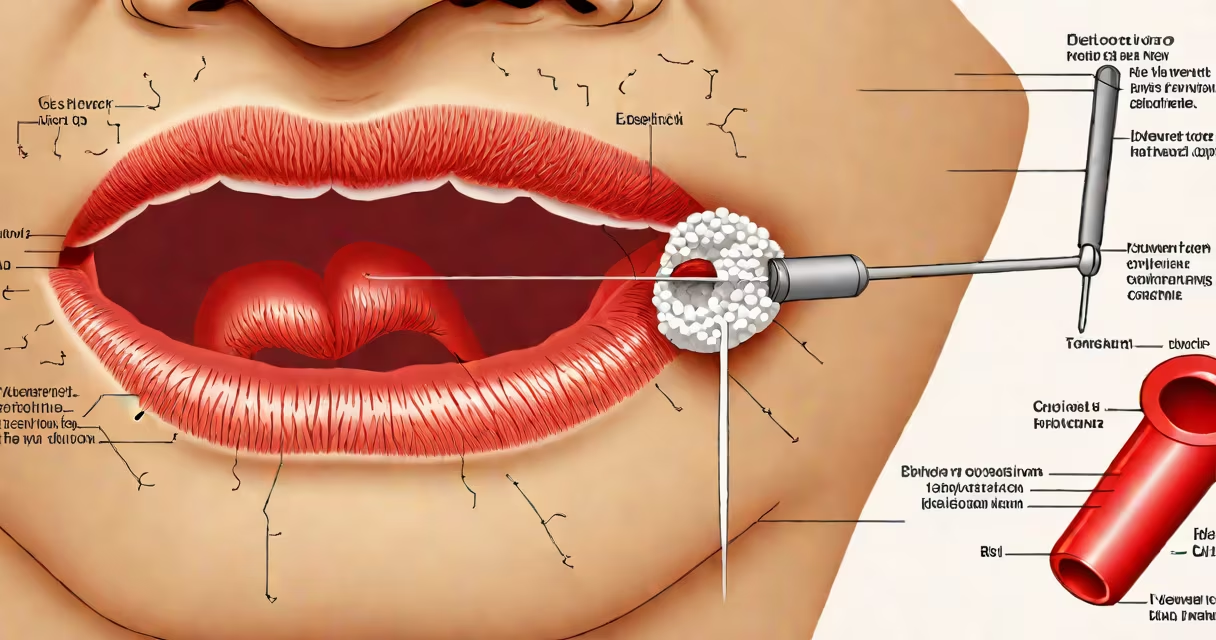
No, ear wax does not heal cold sores. Cold sores are caused by the herpes simplex virus type 1 (HSV-1), not by ear wax accumulation or secretion. Ear wax is a natural substance produced in the outer ear canal to protect against debris and infection, while cold sores develop on or around the lips due to viral reactivation.
Cold sores appear as painful blisters triggered by stress, sun exposure, illness, or hormonal changes. They typically last 7-10 days without treatment and resolve on their own. Ear wax plays no role in preventing or healing these outbreaks. Confusing the two arises from overlapping symptoms-both involve skin irritation-but they originate in entirely different biological systems.
According to the Centers for Disease Control and Prevention (CDC), HSV-1 is highly contagious and spreads through direct contact with an infected person's saliva or skin lesions. The virus remains dormant in nerve cells and can reactivate under certain conditions. Ear wax, by contrast, is composed of sebum, dead skin cells, and keratin, with no antiviral properties. It serves a mechanical and antimicrobial function in the ear, not a systemic one.
Herpes simplex virus type 1 infects approximately 50-80% of adults worldwide, according to the World Health Organization (WHO). After initial infection-often during childhood-the virus travels to sensory nerves and lies inactive until triggered. Reactivation leads to tingling, swelling, and fluid-filled blisters on the lips or around the mouth.
Outbreaks typically progress through stages: prodrome (tingling), vesicle formation (small blisters), ulceration (open sores), crusting, and healing. The entire cycle lasts about 10-14 days. Antiviral medications such as acyclovir, valacyclovir, or famciclovir can shorten duration and reduce severity when taken early.
A 2021 study published in *The Journal of Infectious Diseases* found that early oral acyclovir reduced lesion duration by 1.5 days compared to placebo. Topical treatments like docosanol cream also show modest benefit when applied at the first sign of symptoms. These interventions target the virus directly; ear wax does not.
Ear wax, or cerumen, is secreted by glands in the external auditory canal. Its primary functions include trapping dust, repelling moisture, and inhibiting bacterial and fungal growth. The composition includes fatty acids, cholesterol, and lysozyme-substances with mild antimicrobial activity.
Despite its protective role, ear wax does not interact with viruses outside the ear. It cannot reach the facial nerve endings where HSV-1 resides. Nor does it possess compounds known to suppress herpes replication. There is no clinical evidence linking ear wax to viral inhibition in mucosal tissues.
Some people report relief from cold sore pain after applying ear wax to the affected area. This may result from the temporary occlusion of the site, reducing air exposure and friction. However, this effect is mechanical, not therapeutic. Applying ear wax introduces foreign material to broken skin, increasing infection risk. The American Academy of Otolaryngology-Head and Neck Surgery warns against inserting objects into the ear canal, including cotton swabs or homemade remedies.
The idea that ear wax heals cold sores likely stems from anecdotal reports and confusion between bodily secretions. People often associate natural substances with healing, especially when they observe a symptom resolving over time. But correlation does not imply causation.
Another myth is that ear wax contains antibacterial enzymes that could fight viruses. While cerumen does have lysozyme, which targets bacteria, it lacks antiviral mechanisms. Viruses replicate inside host cells, bypassing surface barriers. No known human bodily fluid-including ear wax-has broad-spectrum antiviral activity.
A 2019 review in *Frontiers in Microbiology* analyzed 120 natural substances for antiviral potential. Cerumen was not included among those showing measurable efficacy against herpesviruses. The study concluded that most traditional remedies lack scientific validation and may delay effective treatment.
Topical antiviral creams like docosanol (Abreva) are FDA-approved for treating cold sores. Applied at the first sign of tingling, they can reduce healing time by about 1 day. Oral antivirals such as valacyclovir are prescribed for frequent or severe outbreaks and can lower transmission risk.
Prevention strategies include avoiding kissing or sharing utensils during active outbreaks, using sunscreen on the lips, managing stress, and maintaining good sleep hygiene. A 2020 study in *Clinical Infectious Diseases* showed that consistent use of lip balm with SPF 30 reduced cold sore frequency by 40% in participants exposed to sunlight.
If you're experiencing recurring cold sores, consult a healthcare provider. They may recommend suppressive therapy-daily low-dose antivirals-to prevent recurrences. Over-the-counter remedies work best when used early, not after the blister has ruptured.
See a doctor if cold sores last longer than 14 days, recur more than four times a year, or affect the eyes, nose, or mouth lining. These signs may indicate complications or immune system issues. Neonatal herpes, though rare, can occur if a mother transmits the virus during childbirth.
Ear wax does not heal cold sores. Cold sores are caused by the herpes simplex virus, not ear wax. Effective management involves antiviral medications, early intervention, and lifestyle adjustments. Misconceptions arise from confusing natural secretions with medical treatments. Always rely on evidence-based methods for health concerns.