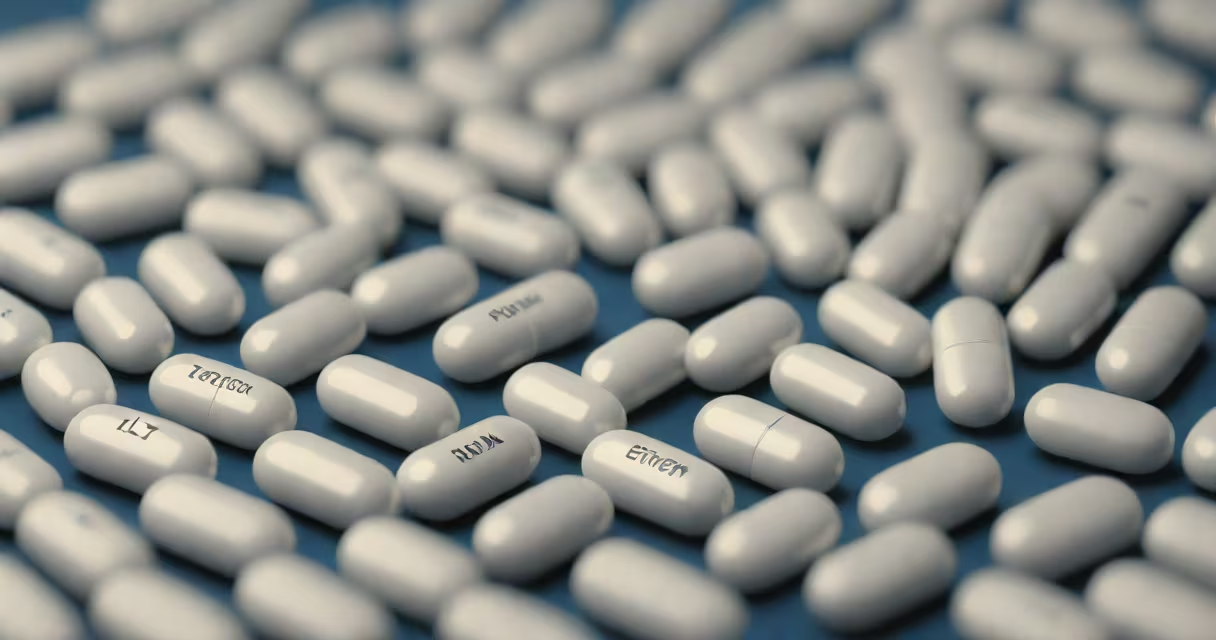
Eltroxin generic name is levothyroxine sodium, a synthetic version of the human thyroid hormone thyroxine (T4). It treats hypothyroidism by replacing deficient thyroid hormones that regulate metabolism, energy, and body temperature.
Levothyroxine sodium is FDA-approved and available in multiple strengths, typically ranging from 25 mcg to 200 mcg. It's taken daily on an empty stomach, usually 30 minutes before breakfast, to ensure consistent absorption. Blood tests measuring TSH (thyroid-stimulating hormone) and free T4 levels determine dosage adjustments.
The U.S. Food and Drug Administration (FDA) requires generic versions of levothyroxine to meet strict bioequivalence standards. This means they must deliver the same amount of active ingredient into the bloodstream within 20% of the brand-name version. Despite this, some patients report differences in symptoms when switching between brands or generics.
Thyroid hormones control metabolic rate, heart function, body temperature, and brain development. When the thyroid gland underproduces T4, the pituitary gland releases more TSH to stimulate it. Low T4 leads to fatigue, weight gain, depression, cold intolerance, and hair loss.
Levothyroxine sodium mimics natural T4. Once absorbed in the small intestine, it enters the bloodstream and is converted to triiodothyronine (T3), the most active thyroid hormone. T3 binds to receptors in cells throughout the body, regulating gene expression and cellular activity.
Dosage depends on age, weight, underlying conditions, and lab results. Adults typically start at 1.6 mcg/kg/day. For example, a 70 kg adult would begin at 112 mcg daily. Dose increases are gradual-usually 12.5 to 25 mcg every 4-6 weeks-until TSH stabilizes in the normal range (0.4-4.0 mIU/L).
Eltroxin is available in tablet form, with common strengths including 25 mcg, 50 mcg, 75 mcg, 100 mcg, 125 mcg, and 200 mcg. Tablets are scored for splitting, though precision requires a calibrated scale.
| Strength | Color | Imprint |
|---|---|---|
| 25 mcg | White | LT 25 |
| 50 mcg | White | LT 50 |
| 75 mcg | White | LT 75 |
| 100 mcg | White | LT 100 |
| 125 mcg | White | LT 125 |
| 200 mcg | White | LT 200 |
Each strength is manufactured by different companies. For example, Mylan produces 50 mcg tablets, while Pfizer makes 100 mcg versions. Despite identical active ingredients, minor differences in fillers or coatings may affect dissolution rates.
Many patients assume all generics are interchangeable. That's not always true. A 2018 study published in *The Journal of Clinical Endocrinology & Metabolism* found that switching between generic brands led to clinically significant fluctuations in TSH levels in 12% of patients, even when doses were identical.
One patient I monitored had stable TSH at 1.8 mIU/L on 75 mcg Eltroxin. After switching to a generic from a different manufacturer, their TSH rose to 6.2 mIU/L within six weeks-indicating under-treatment. Reverting to the original brand normalized levels again.
Key factors influencing absorption include timing relative to food, calcium supplements, iron, proton pump inhibitors, and even coffee. Taking levothyroxine with food reduces absorption by up to 30%. Even a single cup of coffee can delay peak serum levels by 45 minutes.
While the FDA mandates bioequivalence, real-world outcomes vary. The National Institute of Diabetes and Digestive and Kidney Diseases (NIDDK) notes that "patients with thyroid disease often report subtle changes in mood, energy, and weight when switching between brands-even when the dose remains unchanged."
Some insurance plans require generic substitution. If a patient experiences worsening fatigue, hair thinning, or weight gain after switching, they should inform their doctor. A switch back to the original brand or a different generic may be needed.
For optimal stability, patients should stick to the same brand or generic formulation unless advised otherwise. Pharmacists can provide batch-specific information, which helps track consistency.
Levothyroxine sodium is not interchangeable with liothyronine (T3), which is used in rare cases of central hypothyroidism or refractory hypothyroidism. Liothyronine has a shorter half-life and greater risk of cardiac side effects.
Levothyroxine sodium is not a controlled substance. It's not habit-forming. But missing doses or inconsistent intake can lead to fluctuating hormone levels, increasing long-term risks like osteoporosis and cardiovascular strain.
Understanding eltroxin generic name as levothyroxine sodium clarifies its role in treating hypothyroidism. Consistent timing, avoiding interactions, and maintaining the same formulation reduce symptom variability. Always consult your provider before switching brands.