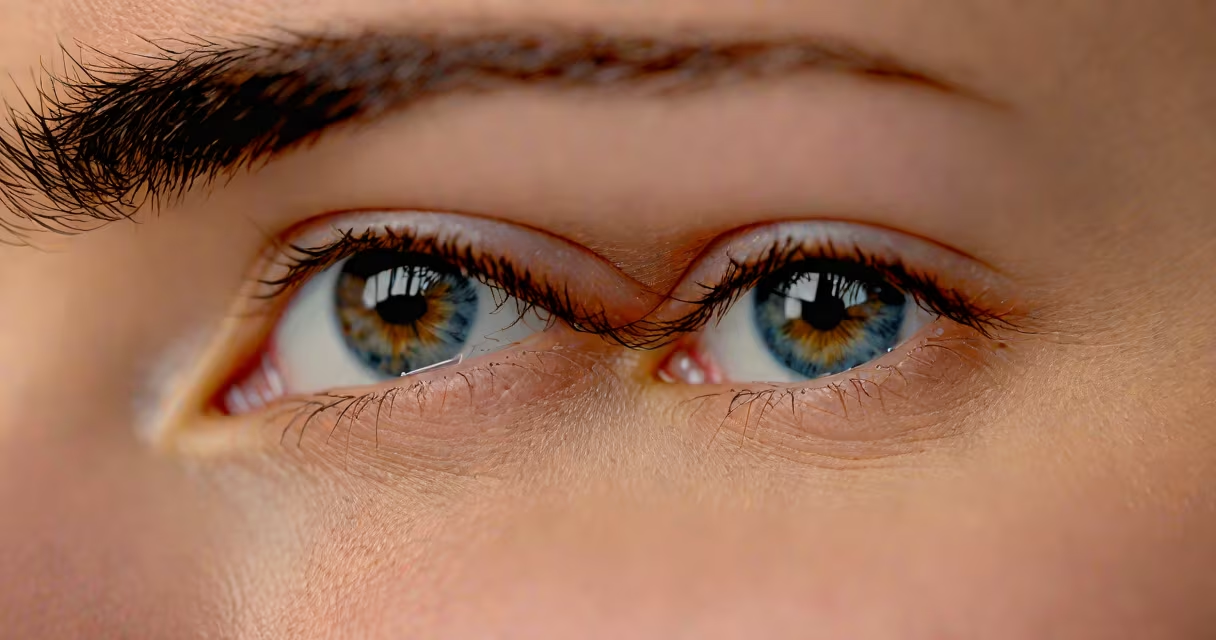
Pain localized to the left side of the eye can result from conditions affecting the eye itself, surrounding facial structures, or nerves. It may feel sharp, dull, throbbing, or burning, and often occurs alongside redness, swelling, or vision changes.
This pain typically arises from irritation or inflammation in the orbit-the bony cavity housing the eye-or from dysfunction in the trigeminal nerve, which supplies sensation to the face. Common triggers include infections, allergies, trauma, or neurological disorders. Identifying the underlying cause requires attention to accompanying symptoms and medical history.
While occasional mild discomfort may resolve on its own, persistent or severe pain demands evaluation. Left side of eye hurts is not a diagnosis but a symptom pointing toward specific conditions such as cluster headaches, optic neuritis, or temporal arteritis. Early recognition improves outcomes.
The sensation of pain on the left side of the eye originates in sensory nerves that transmit signals from the eye and surrounding tissues to the brain. The ophthalmic branch of the trigeminal nerve (V1) innervates the forehead, upper eyelid, and cornea. When inflamed or compressed, it can cause sharp, shooting pain that radiates across the left side of the face.
Inflammation in the sinuses-especially the ethmoid or frontal sinuses-can refer pain to the inner corner of the left eye. Pressure buildup from mucus or infection increases tissue tension, leading to aching or pressure-like discomfort. This often worsens when bending forward or lying down.
Eye-specific causes include dry eye syndrome, uveitis (inflammation inside the eye), or glaucoma. In glaucoma, elevated intraocular pressure damages the optic nerve, causing deep, aching pain behind the left eye, sometimes with halos around lights. According to the American Academy of Ophthalmology, untreated glaucoma can lead to irreversible vision loss within months.
Conditions causing left side of eye hurts fall into several categories based on origin:
| Type | Examples | Key Features |
|---|---|---|
| Nerve-related | Trigeminal neuralgia, post-herpetic neuralgia | Sharp, electric-like pain; triggered by touch or movement |
| Sinus & nasal | Frontal/ethmoid sinusitis, allergic rhinitis | Pain worsens with head motion; often accompanied by congestion |
| Ocular | Dry eye, uveitis, acute angle-closure glaucoma | Redness, light sensitivity, blurred vision; may affect vision |
| Neurovascular | Cluster headache, migraine with aura | Severe, unilateral pain lasting 15-180 minutes; often with tearing or nasal drip |
Cluster headaches are among the most painful conditions linked to left side of eye hurts. They occur in cyclical patterns, often striking at night. A 2021 study in *Headache: The Journal of Head and Face Pain* found that 60% of patients report pain centered around the left eye during attacks.
Temporal arteritis-a rare but serious condition-is a vascular inflammation of arteries supplying the head. It primarily affects people over 50 and presents with jaw claudication, scalp tenderness, and sudden onset of left-sided eye pain. If untreated, it can cause permanent blindness. The American College of Rheumatology recommends immediate steroid treatment upon suspicion.
Seek immediate medical care if left side of eye hurts with any of these red flags: sudden vision loss, double vision, fever, swelling of the eyelid, or pain that worsens rapidly over hours. These signs may indicate an emergency such as optic neuritis or giant cell arteritis.
A non-obvious distinction: pain from a dental abscess in the upper left molar can mimic left side of eye hurts. The trigeminal nerve branches from the same root, so referred pain may travel upward. A dentist may identify the source before an ophthalmologist does.
I once observed a patient who reported daily left eye pain for six weeks. Initial diagnosis was migraines. After imaging revealed a small tumor compressing the trigeminal nerve, surgery removed it. Post-op, pain resolved completely. This case underscores that persistent left side of eye hurts should not be dismissed as "just a headache."
Many assume left side of eye hurts stems from eye strain or screen fatigue. While prolonged screen use contributes to dry eye and muscle fatigue, it rarely causes deep, localized pain. True ocular pain involves the globe or surrounding tissues, not just the muscles controlling eye movement.
Another misconception: all facial pain is related to the jaw. Temporomandibular joint (TMJ) disorders can cause ear and temple pain, but they usually involve jaw clicking, difficulty opening the mouth, or pain when chewing. If pain is isolated to the eye area and not linked to jaw function, TMJ is unlikely.
Some confuse left side of eye hurts with shingles (herpes zoster ophthalmicus). This viral reactivation affects the ophthalmic division of the trigeminal nerve. Early signs include a burning sensation on the left forehead and eyelid, followed by a rash. The CDC advises antiviral treatment within 72 hours of rash onset to reduce complications like corneal scarring.
Doctors evaluate left side of eye hurts through history, physical exam, and targeted tests. If vision is affected, an ophthalmologist performs a slit-lamp exam and tonometry to measure eye pressure. For suspected sinus issues, CT scans show sinus opacification. Neurological causes may require MRI to rule out tumors or demyelination.
Treatment depends on the root cause. Migraine-related pain responds to triptans or CGRP inhibitors. Sinusitis improves with decongestants and nasal corticosteroids. Glaucoma requires eye drops to lower pressure. Trigeminal neuralgia may need carbamazepine or surgical microvascular decompression.