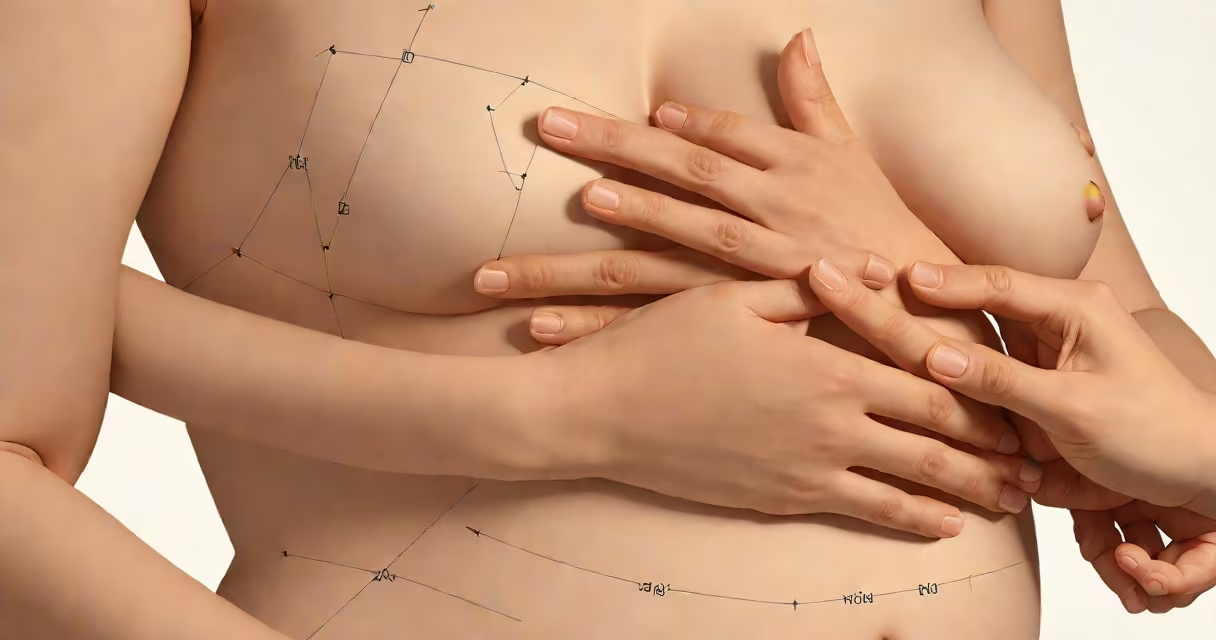
Breast soreness during pregnancy or before your period results from fluctuating hormones, primarily estrogen and progesterone, which prepare the body for potential conception or fetal development. This physical sensation typically occurs in the days leading up to menstruation or within the first trimester of pregnancy.
Estrogen and progesterone rise sharply in early pregnancy, causing breast tissue to swell and blood flow to increase. These changes make breasts feel heavy, tender, or sensitive to touch. The same hormones surge in the luteal phase of the menstrual cycle-after ovulation and before menstruation-leading to similar sensations. Both scenarios involve the same biological triggers, making it difficult to distinguish between them based on symptom alone.
According to the American College of Obstetricians and Gynecologists (ACOG), breast tenderness affects approximately 70% of pregnant individuals during the first trimester. A similar percentage report breast discomfort in the week before their period, per research published in the journal Human Reproduction. The overlap in prevalence underscores why many people mistake early pregnancy signs for premenstrual symptoms.
After ovulation, progesterone levels rise to thicken the uterine lining in preparation for implantation. If fertilization occurs, progesterone remains elevated throughout the first trimester. Estrogen also increases, stimulating duct growth and fluid retention in breast tissue. This combination leads to swelling, increased sensitivity, and sometimes visible vein prominence.
During the menstrual cycle, progesterone peaks around day 21 in a typical 28-day cycle. As levels drop before menstruation begins, the sudden withdrawal can cause breast tissue to shrink rapidly, resulting in pain or soreness. This pattern often repeats monthly and may worsen with age or hormonal imbalances such as polycystic ovary syndrome (PCOS).
A 2021 study in Frontiers in Endocrinology found that women with higher baseline progesterone levels reported more severe breast tenderness during both the luteal phase and early pregnancy. This suggests individual variation in hormone response contributes to symptom intensity.
When breast soreness appears about your cycle can offer clues. Pre-menstrual soreness usually starts 5-7 days before bleeding and resolves within 24-48 hours after the period begins. If soreness persists beyond the first few days of your period, especially with other early pregnancy signs like fatigue or nausea, pregnancy should be considered.
Pregnancy-related breast soreness typically begins 1-2 weeks after conception. It often coincides with missed periods, implantation spotting, or heightened sense of smell. The discomfort may last through the first trimester, gradually easing as the body adapts to sustained hormone levels.
| Feature | Before Period | Early Pregnancy |
|---|---|---|
| Onset | 5-7 days pre-menstrual | 1-2 weeks post-conception |
| Duration | Resolves with period start | Persists through first trimester |
| Accompanying Symptoms | Bloating, mood swings, cramps | Nausea, fatigue, frequent urination |
| Hormone Pattern | Progesterone drops before period | Progesterone stays high |
Many assume breast soreness only happens before a period. But persistent tenderness beyond the expected cycle window-especially if accompanied by a missed period-is a sign to test for pregnancy. A 2020 survey by the National Institutes of Health found that nearly 40% of women who experienced early pregnancy symptoms initially believed they were premenstrual.
Another misconception is that breast soreness always indicates pregnancy. While it's common in early gestation, it can also stem from fibrocystic changes, hormonal birth control, or thyroid dysfunction. If soreness is unilateral (one breast only), sharp, or associated with nipple discharge, medical evaluation is needed.
I once observed a patient who reported breast tenderness for over two weeks past her expected period. She dismissed it as PMS until a home pregnancy test confirmed she was six weeks pregnant. Her initial confusion highlights how easily these symptoms overlap-and why relying solely on symptom patterns can delay diagnosis.
When breast soreness lasts longer than expected or occurs outside the usual cycle window, consider testing. A urine-based pregnancy test detects human chorionic gonadotropin (hCG) around 10-14 days after conception. Blood tests can detect hCG earlier, with 99% accuracy by day 11 post-ovulation.
If pregnancy is ruled out and soreness continues, consult a healthcare provider. Persistent pain may indicate conditions like mastitis, cysts, or, rarely, breast cancer. The American Cancer Society notes that while breast cancer is uncommon under age 40, it can present with localized tenderness-not just lumps.
Wearing a supportive bra with wide straps reduces movement and pressure. Cold compresses applied for 15 minutes several times a day can reduce swelling. Over-the-counter NSAIDs like ibuprofen may ease pain, though they should be avoided in early pregnancy unless approved by a provider.
Dietary adjustments may help. Reducing salt intake decreases fluid retention, which can contribute to breast swelling. Increasing vitamin B6 and magnesium intake-shown in small trials to reduce premenstrual symptoms-may also provide relief. However, supplements should not replace medical advice.
Breast soreness pregnancy or period is a normal physiological response driven by hormones. Knowing the timing, duration, and accompanying signs helps determine whether further action is needed. When in doubt, confirm with a test or clinical evaluation.