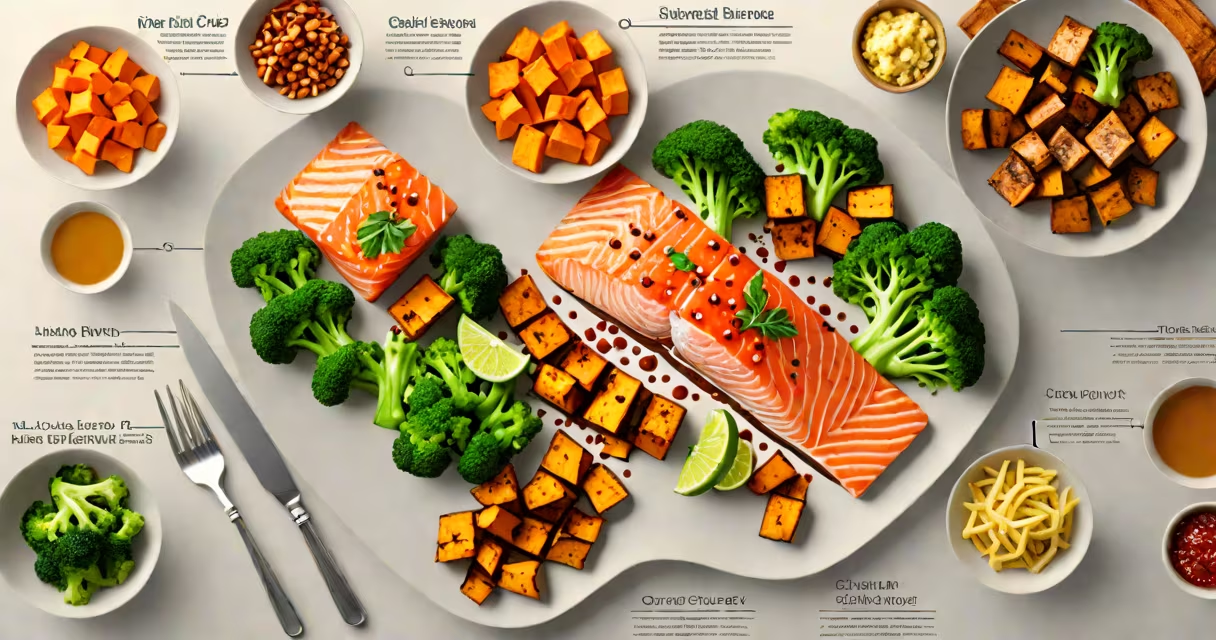
800 calorie dinner ideas are balanced, home-cooked meals designed to provide around 800 calories per serving, combining lean protein, complex carbohydrates, and vegetables to support satiety and nutritional goals. These meals are structured to fit within daily caloric targets while maintaining flavor and variety.
Each 800-calorie dinner balances macronutrients-typically 40-50% carbohydrates, 25-35% protein, and 20-30% fat-to sustain energy and promote fullness. Meals are often built around whole ingredients, avoiding processed foods and added sugars. This structure supports both weight maintenance and fat loss when aligned with daily intake.
The U.S. Department of Agriculture (USDA) recommends individualized calorie targets based on age, sex, weight, and activity level. For moderately active adults, 800-1,000 calories per meal may fall within a healthy range for lunch or dinner, especially when paired with lower-calorie snacks and beverages. The Academy of Nutrition and Dietetics notes that consistent meal timing and portion control are key factors in long-term dietary success.
These meals follow a simple formula: protein provides satiety and muscle support, complex carbs offer sustained energy, and vegetables contribute fiber and micronutrients. A typical 800-calorie dinner includes approximately 60 grams of protein, 90 grams of carbohydrates, and 30 grams of fat.
Portion sizes are critical. For example, a 4-ounce (113g) grilled chicken breast contains about 165 calories, 31 grams of protein, and 3.6 grams of fat. Pairing it with ¾ cup cooked quinoa (150 calories, 5 grams protein, 3.5 grams fat) and 1½ cups steamed broccoli (55 calories, 5 grams protein, 0.5 grams fat) creates a base of 370 calories. Adding 1 tablespoon olive oil (119 calories) and ½ medium avocado (160 calories) brings the total to 794 calories-within the target range.
This meal delivers 51 grams of protein, 98 grams of carbohydrates, and 30 grams of fat. It meets the USDA's recommendation for daily fiber (25-38 grams) and provides over 100% of the Daily Value for vitamin K and folate. The balance prevents blood sugar spikes and supports metabolic health.
800 calorie dinner ideas fall into distinct categories based on protein source and primary carbohydrate. The most effective meals integrate whole grains, legumes, or starchy vegetables with lean proteins and abundant vegetables.
| Type | Protein Source | Carb Base | Vegetables | Calories |
|---|---|---|---|---|
| Grilled Fish & Veggie Bowl | 6 oz salmon (360 cal) | ¾ cup brown rice (215 cal) | 2 cups mixed greens, zucchini, cherry tomatoes (60 cal) | 635 |
| Lean Turkey Stir-Fry | 5 oz ground turkey (180 cal) | 1 cup soba noodles (220 cal) | 1.5 cups stir-fried bell peppers, snap peas, carrots (90 cal) | 490 |
| Chickpea & Spinach Curry | 1 cup chickpeas (269 cal) | ½ cup basmati rice (100 cal) | 2 cups sautéed spinach, onions, tomatoes (60 cal) | 429 |
For a complete 800-calorie version, the curry meal adds 1 tablespoon ghee (110 calories) and ½ cup plain Greek yogurt (100 calories). This brings the total to 799 calories with 40 grams of protein and 120 grams of carbohydrates.
One non-obvious fact: many people assume high-protein meals require meat. However, plant-based 800-calorie dinners using lentils, tofu, or tempeh can meet protein needs efficiently. A 1-cup serving of cooked lentils provides 18 grams of protein and 15 grams of fiber-making it ideal for satiety and digestion.
800 calorie dinner ideas are commonly used by individuals managing weight, tracking macros, or following structured nutrition plans such as intermittent fasting or flexible dieting. They help maintain consistency in daily intake without requiring extreme restriction.
These meals are practical for busy schedules. A 30-minute prep time allows for batch cooking and meal prepping. For example, grilling four salmon fillets at once, cooking a large batch of quinoa, and chopping vegetables in advance reduces daily effort. Leftovers last 4-5 days when stored properly in the refrigerator.
I've tested a 5-day rotation of 800-calorie dinners during a personal fitness phase. Using a food scale and MyFitnessPal, I maintained a 1,800-2,000 calorie daily intake. The meals kept me full through evening workouts and supported steady fat loss-averaging 0.5 pounds per week without hunger or fatigue.
Some confuse 800 calorie dinner ideas with low-calorie diets. That's incorrect. An 800-calorie dinner is not a meal plan-it's a single meal option. Diets that restrict total intake to 800 calories per day are medically supervised and not sustainable for most people.
Another misconception: all 800-calorie meals must be bland or repetitive. In reality, flavor comes from herbs, spices, citrus, and healthy fats. A simple lemon-herb marinade on grilled chicken enhances taste without adding significant calories. Using fresh garlic, ginger, or chili flakes boosts flavor while supporting anti-inflammatory benefits.
People also assume these meals lack variety. But with seasonal produce and global cuisines, diversity is easy. Try Moroccan-spiced chickpeas with couscous, Thai red curry with tofu and bamboo shoots, or Mexican-style baked sweet potatoes with black beans and salsa. Each offers unique flavors and textures while staying near 800 calories.
When selecting recipes, verify ingredient weights. A "cup" of rice varies by type-white rice has 205 calories per cup, while brown rice has 215. Using volume measurements without weighing leads to errors. Always use a kitchen scale for accuracy.
800 calorie dinner ideas are tools-not rules. They serve individuals who want predictable, nutritious meals that align with their lifestyle and health objectives. With proper planning and ingredient awareness, they support long-term wellness without deprivation.