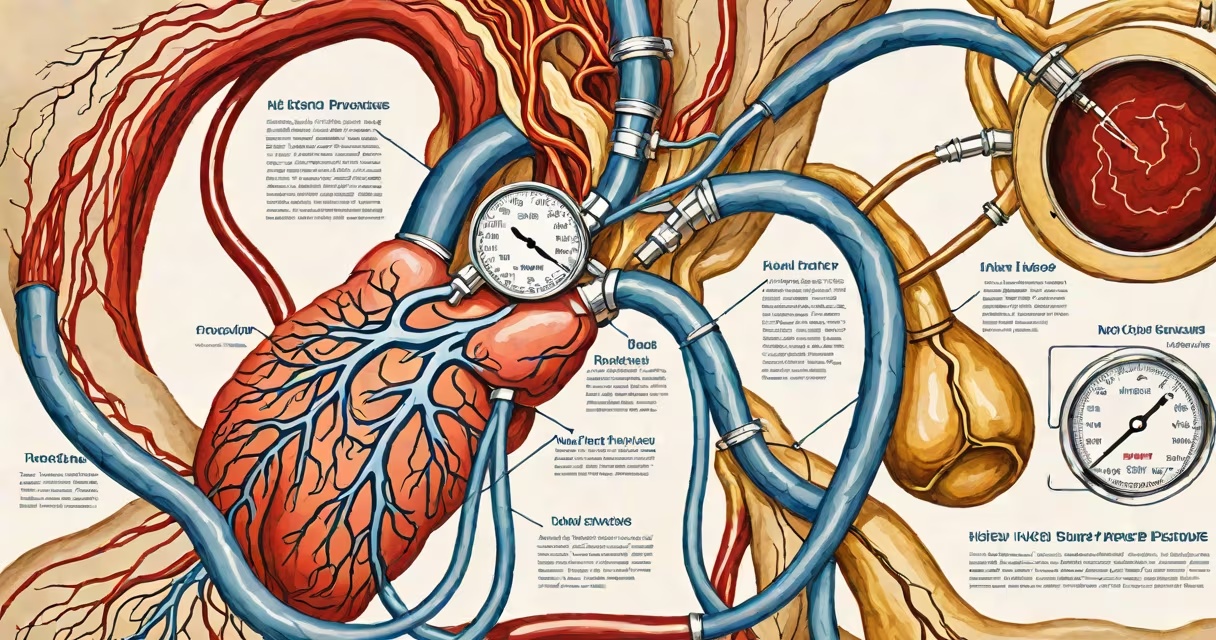
High blood pressure means the force of blood pushing against artery walls is consistently too high, increasing strain on the heart and blood vessels. It's officially diagnosed when readings reach 130/80 mm Hg or higher, according to the American Heart Association.
This condition often develops silently. Most people don't feel symptoms until damage has occurred. Left untreated, it raises the risk of heart attack, stroke, kidney failure, and vision loss.
For context, normal blood pressure is below 120/80 mm Hg. A reading of 140/90 mm Hg or higher qualifies as stage 2 hypertension. The numbers represent systolic pressure (top number, during heartbeats) and diastolic pressure (bottom number, between beats).
Blood pressure results from the heart pumping blood into arteries and the resistance those arteries offer. When the heart contracts, it forces blood into the system-this creates systolic pressure. When the heart rests between beats, pressure drops-this is diastolic pressure.
High blood pressure occurs when arteries stiffen or narrow due to plaque buildup, excess fluid, or hormonal imbalances. This forces the heart to work harder to maintain circulation. Over time, this extra effort damages vessel walls and increases the risk of rupture or blockage.
A 2023 study published in The Lancet found that uncontrolled hypertension contributed to nearly 13 million deaths globally in 2021-more than diabetes, HIV/AIDS, and malaria combined. That underscores how critical early detection is.
There are two main types of high blood pressure:
| Type | Definition | Prevalence | Common Causes |
|---|---|---|---|
| Primary (essential) | No identifiable cause. Develops gradually over years. | 90-95% | Genetics, aging, obesity, sedentary lifestyle. |
| Secondary | Caused by another medical condition. | 5-10% | Kidney disease, sleep apnea, thyroid disorders, certain medications. |
Some medications-like decongestants, NSAIDs (e.g., ibuprofen), and some antidepressants-can raise blood pressure. A 2022 review in JAMA Internal Medicine confirmed that daily use of NSAIDs increased systolic pressure by an average of 5 mm Hg over six months.
One overlooked trigger is chronic stress. While stress doesn't directly cause long-term hypertension, it activates the sympathetic nervous system, leading to temporary spikes. Repeated spikes may contribute to sustained elevation over time.
Many assume high blood pressure causes headaches or nosebleeds. This is false. The American Heart Association states that most people with elevated blood pressure have no symptoms at all. These myths delay diagnosis and treatment.
Another error is equating high blood pressure with anxiety. While both can cause rapid heartbeat and sweating, they're distinct conditions. Anxiety doesn't alter arterial resistance permanently. High blood pressure is a measurable physiological state, not a psychological reaction.
Some patients believe that if their blood pressure drops temporarily after exercise, they're "cured." This is misleading. Exercise lowers blood pressure acutely but doesn't reverse underlying vascular changes. Long-term control requires consistent lifestyle adjustments and sometimes medication.
In 2021, a 52-year-old office worker named Maria had her annual physical. Her blood pressure was 152/96 mm Hg-well above the threshold for hypertension. She reported no symptoms. She ate processed meals, walked less than 1,000 steps a day, and drank two cups of coffee daily.
Her doctor recommended dietary changes, a walking routine, and a follow-up in four weeks. After three months of eating more vegetables, reducing sodium intake, and walking 30 minutes daily, her blood pressure dropped to 132/84 mm Hg. She didn't need medication.
This case illustrates that lifestyle changes can reverse early-stage hypertension. But it also shows the danger of relying on symptoms: Maria had no warning signs until her checkup.
High blood pressure is called the "silent killer" because it damages organs without pain. By the time symptoms appear-such as chest pain, vision changes, or shortness of breath-organ damage may already be irreversible.
Screening is simple. A sphygmomanometer measures pressure in millimeters of mercury (mm Hg). A single high reading isn't diagnostic. Clinicians require multiple readings over time to confirm hypertension.
When detected early, high blood pressure is manageable. The CDC reports that controlling blood pressure reduces stroke risk by 35% and heart attack risk by 25% over five years.
Understanding what high blood pressure means is the first step toward prevention. It's not just a number-it's a signal that the cardiovascular system is under stress. Addressing it early prevents complications that could shorten life.
High blood pressure means increased risk, not inevitable harm. With monitoring, diet, and activity, many people live long, healthy lives despite the diagnosis.