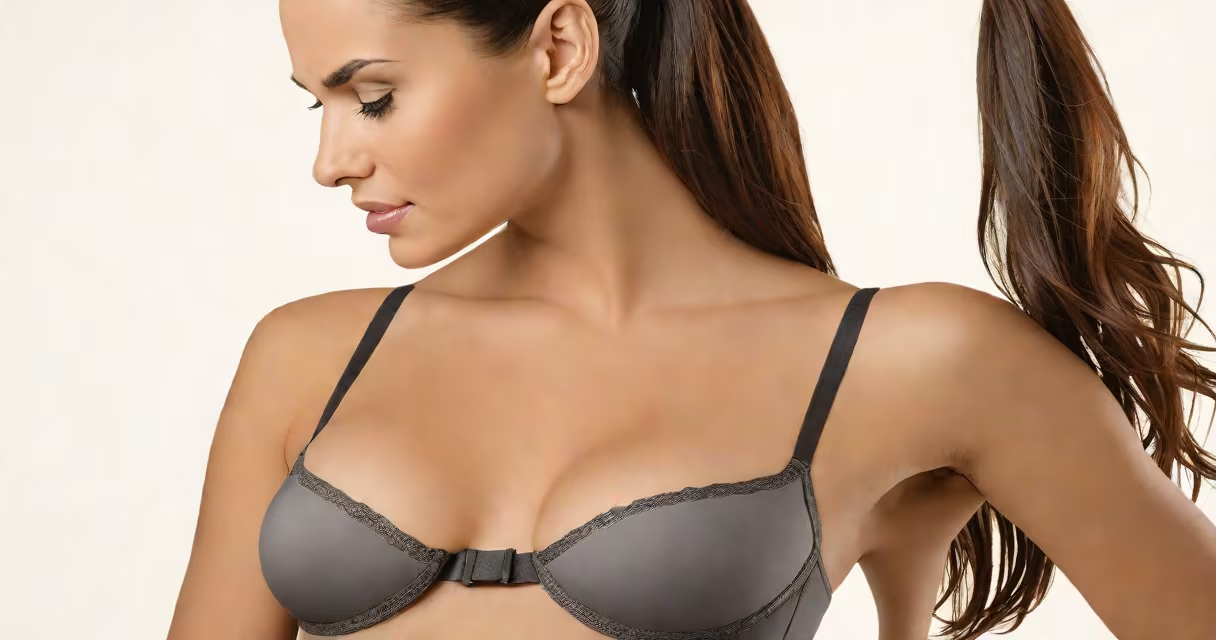
A 30 B cup is a bra size with a 30-inch underbust measurement and a B cup, which indicates a difference of approximately 1 inch between the bust and band measurements. This size is common among women with smaller to medium busts and is often worn by those with a petite or athletic build.
Bra sizing follows a standard system where the number represents the band size (measured around the ribcage just below the breasts), and the letter denotes the cup size based on the difference between bust and band measurements. A B cup corresponds to a 1-inch difference. For a 30 B cup, the bust measurement typically falls between 31 and 31.5 inches.
Proper fit ensures comfort, support, and accurate sizing. A well-fitting 30 B cup bra should have the band lying flat against the torso, not riding up at the back. The cups should fully enclose the breasts without spilling over or creating wrinkles. The center panel should lie flush against the sternum.
The U.S. bra sizing system uses two components: the band size and the cup size. Band sizes start at 28 inches and increase in 2-inch increments (28, 30, 32, etc.). Cup sizes are assigned letters based on the bust-band difference:
For a 30 B cup, the band measures 30 inches, and the bust is 32 inches, resulting in a 2-inch difference - consistent with a B cup. This system applies across most major brands, though some may adjust slightly due to construction differences.
Measuring accurately is essential. To measure your band size, wrap a tape measure snugly around the ribcage just below the bust. For the bust, measure around the fullest part of the chest, keeping the tape level. Subtract the band measurement from the bust measurement to determine cup size.
30 B cup bras come in multiple styles: full coverage, balconette, plunge, wireless, and sports bras. Each style affects fit and comfort differently. Full coverage styles offer maximum support and are ideal for everyday wear. Balconette styles lift and shape the bust, enhancing cleavage. Plunge bras are designed for low-cut tops and require precise fitting to avoid gaping.
One frequent issue with 30 B cup bras is band slippage. This occurs when the band is too loose or the shoulder straps are too tight. A properly fitted band should not ride up during movement. If the band rides up, the band size may be too large. Conversely, if the band feels tight or leaves marks, it may be too small.
Another problem is spillage. If the breast tissue extends beyond the edge of the cup, the cup size is too small. This leads to discomfort and poor shaping. For a 30 B cup, the cup should fully contain the breast without stretching or wrinkling.
| Size | Band (inches) | Bust Range (inches) | Cup Difference | Typical Body Type |
|---|---|---|---|---|
| 30 B cup | 30 | 31-31.5 | 1 inch | Petite, athletic, small bust |
| 30 C cup | 30 | 32-32.5 | 2 inches | Medium bust, average frame |
| 32 B cup | 32 | 33-33.5 | 1 inch | Medium to larger frame, slightly fuller bust |
Many women assume that a 30 B cup is only for very small busts. However, this size is frequently worn by women with average body frames. According to the American Society for Aesthetic Plastic Surgery (ASAPS), the most common bra size in the U.S. is 34 B, but 30 B remains widespread, especially among younger women and those with smaller builds.
One non-obvious fact: cup size is not proportional to band size. A 30 B cup has less volume than a 34 B cup, even though both are B cups. Volume increases with band size. A 34 B cup holds more breast tissue than a 30 B cup due to the larger base area.
Consider a woman who measures 30 inches around her ribcage and 32 inches around her bust. The difference is 2 inches, which corresponds to a B cup. Her correct size is 30 B cup. If she wears a 30 C cup, the cup will be too large, leading to spillage and lack of support. If she wears a 28 B cup, the band will be too tight and uncomfortable.
I once helped a client find her correct size using this method. She had worn a 32 B cup for years, believing it was the right fit. After measuring, we found her band was 30 inches and her bust was 32 inches. She switched to a 30 B cup, and the improvement in support and comfort was immediate. Her previous bra had caused shoulder strain and back pain.
Some believe that 30 B cup is "too small" or "not fashionable." This is incorrect. Fashion brands like Calvin Klein, Victoria's Secret, and Savage X Fenty offer 30 B cup in their core collections. Size inclusivity efforts have expanded availability, making smaller sizes more accessible.
Another misconception is that cup size is determined solely by breast size. In reality, it depends on the difference between bust and band. Two women with the same bust measurement can have different cup sizes depending on their band size. A woman with a 32-inch bust and a 30-inch band is a 30 B cup. Another with a 32-inch bust and a 34-inch band is a 34 A cup - a different size entirely.
Brands vary slightly in sizing. For example, some European brands use centimeters and may label a 30 B cup as 75B. Always check the brand's size chart. A 30 B cup in one brand may fit differently than in another due to cut, stretch, and material.
Understanding your 30 B cup size ensures better fit, comfort, and long-term breast health. Proper sizing reduces risk of back and shoulder pain, improves posture, and enhances confidence in daily wear.