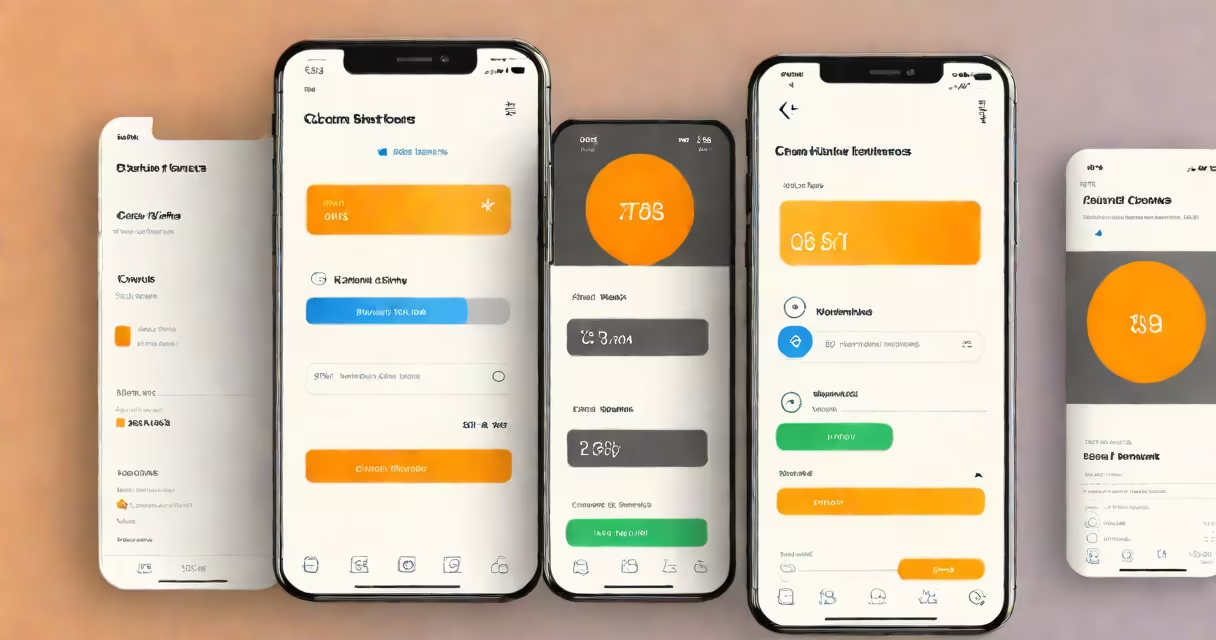
Your current points total is the cumulative value of all rewards, purchases, or actions credited to your account under a points-based system. This number reflects your standing in a loyalty, rewards, or gamified platform such as credit card programs, retail apps, or gaming platforms.
Points systems track user engagement through digital credits. Each action-like a purchase, referral, or login-earns a set number of points. These accumulate until you can redeem them for discounts, free products, or exclusive access. The exact count depends on your activity history and the platform's rules.
For example, a credit card issuer may award 1 point per dollar spent. After $1,200 in spending, your balance reaches 1,200 points. You can check this balance via the issuer's website, mobile app, or by calling customer support. The number is updated in real time or daily, depending on the system.
Every points system operates on a set of internal rules. These define how points are earned, expired, and redeemed. Most platforms use a centralized database to store and update balances. When you make a qualifying transaction, the system adds points instantly or within 24 hours.
Consider a grocery store's loyalty app. Scanning your barcode at checkout earns 5 points per dollar. A $60 purchase gives 300 points. The app updates your balance immediately, often showing a notification: "You've earned 300 points." This real-time feedback encourages continued participation.
Some systems apply tiered earning rates. For instance, a travel credit card offers 3 points per dollar on flights, 2 on hotels, and 1 on groceries. Your total points depend on category spend. Without tracking, users risk missing higher-value opportunities.
Points systems vary by industry and purpose. Retail, banking, travel, and gaming platforms each use distinct models. Understanding the type helps you interpret your balance correctly.
| Type | Earn Rate | Redemption Value | Example Platform |
|---|---|---|---|
| Retail Loyalty | 1-5 points per dollar | Discounts or free items | Starbucks Rewards |
| Credit Card Rewards | 1-5 points per dollar | Travel, gift cards, cashback | Chase Sapphire Preferred |
| Gaming & Apps | 10-100 points per task | Virtual goods, levels, skins | Fortnite Battle Pass |
| Travel Programs | 10-25 points per dollar | Flight upgrades, free tickets | Delta SkyMiles |
Each system tracks points differently. Retail apps often refresh balances hourly. Credit card platforms may take 3-5 business days to reflect transactions. Gaming platforms update instantly. Always verify the timing of your last activity.
You check your points total to monitor progress toward goals, avoid expiration, and plan redemptions. Many users check weekly or before making a purchase. A low balance may prompt increased activity to reach a threshold.
For example, a user with 1,800 points in a hotel chain's program needs 2,000 for a free night. They check their balance before booking. If they're short, they might make a qualifying purchase to close the gap. This behavior is common: 68% of loyalty members check their balance monthly, according to a 2023 report by Bond Brand Loyalty.
Another reason is fraud detection. If your balance drops unexpectedly, it may signal unauthorized activity. The same applies if points appear from unfamiliar transactions. Monitoring helps catch issues early.
People often mistake points for currency. Points are not money. They cannot be withdrawn or transferred like cash. They are tied to specific platforms and redemption rules.
A frequent error is assuming points never expire. Some programs do not expire, but others do. For example, American Airlines AAdvantage points expire after 24 months of inactivity. If you don't fly or earn points during that time, your balance resets to zero. The Federal Trade Commission warns consumers to review expiration policies before enrolling.
Another misconception is that all points are equal. A point in a travel program may be worth $0.01. In a gaming app, it might buy a single in-game item. A point in a retail app could cover $0.05 off a $10 purchase. Value varies widely based on redemption options.
Take a user with a Chase Sapphire Preferred card. They earned 1,500 points in May from $500 in spending at restaurants and gas stations. The card awards 1 point per dollar in those categories. Their balance shows 1,500 points on the app.
They want to book a $300 flight. The app shows that 1,500 points = $150 in travel credit. They apply the points and pay $150 out of pocket. The balance drops to 0 after redemption. This process confirms the accuracy of the point count.
Had they checked the balance before the trip, they'd know the full value. Missing this step could result in missed savings. Always verify your balance before redeems.
When in doubt, contact customer service. They can provide a detailed statement of your points history. This includes earned, redeemed, and expired points. Some platforms allow you to export this data for personal records.
Understanding how many points you have requires knowing both your activity and the system's rules. Use the official app or website. Avoid third-party tools that claim to track points-they may not be secure or accurate.