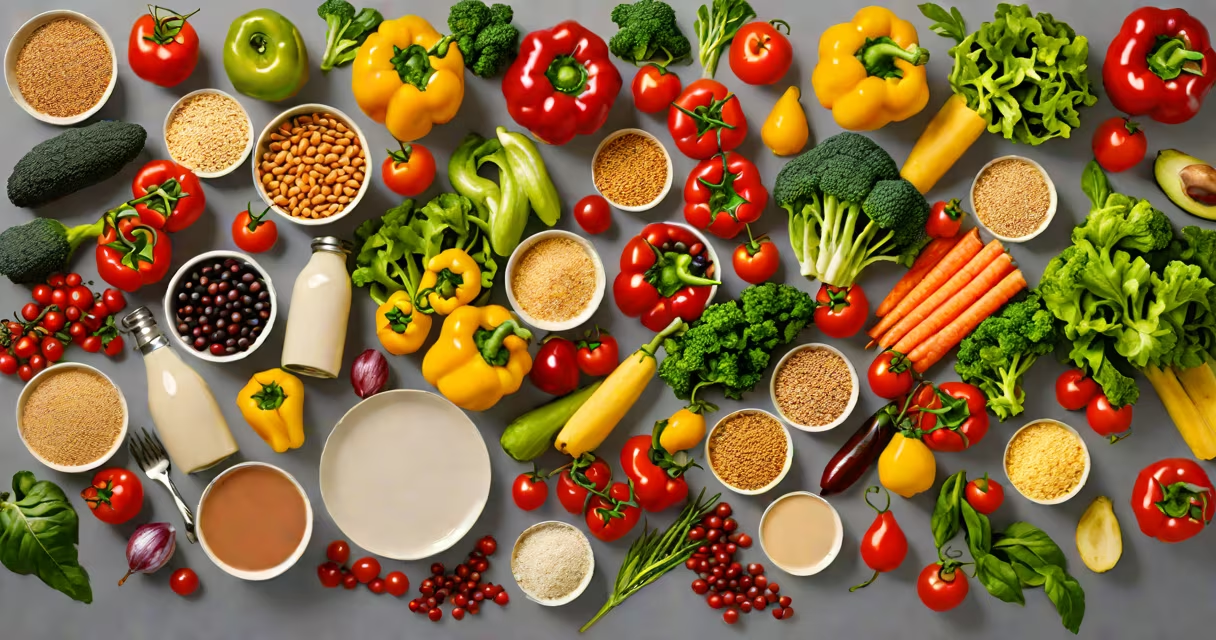
The benefits of the DASH diet stem from its focus on whole foods, reduced sodium, and balanced macronutrients. This eating pattern lowers blood pressure, improves heart health, and supports weight management through science-backed food choices.
Developed by researchers at the National Heart, Lung, and Blood Institute (NHLBI), the DASH diet emphasizes fruits, vegetables, whole grains, low-fat dairy, lean proteins, and nuts while limiting saturated fat, added sugars, and sodium. It was designed specifically to combat hypertension and reduce cardiovascular risk.
Studies show that people following the DASH diet for eight weeks saw average systolic blood pressure reductions of 11 mm Hg and diastolic drops of 6 mm Hg-comparable to some antihypertensive medications. These results were consistent across diverse populations, including those with prehypertension and stage 1 hypertension.
The DASH diet functions by altering dietary patterns to improve vascular function and metabolic balance. High potassium, calcium, and magnesium intake from fruits and vegetables counteracts sodium's effects on blood pressure. Fiber from whole grains slows glucose absorption, supporting insulin sensitivity.
A key mechanism is sodium restriction. The standard DASH diet limits sodium to 2,300 mg daily-about one teaspoon of salt. A lower-sodium version caps intake at 1,500 mg, which produces greater blood pressure reductions. For context, a single fast-food meal can exceed 2,000 mg of sodium.
Participants in the DASH clinical trial consumed approximately 3,000 mg of sodium initially. After six weeks on the DASH diet, their average sodium intake dropped to 1,500 mg, and systolic pressure fell by nearly 10 points. This demonstrates that dietary change alone can yield measurable physiological shifts.
The DASH diet recommends specific daily servings across food groups:
| Food Group | Daily Servings (Standard DASH) | Daily Servings (Low-Sodium DASH) |
|---|---|---|
| Fruits | 4-5 | 4-5 |
| Vegetables | 4-5 | 4-5 |
| Whole grains | 6-8 | 6-8 |
| Lean protein (fish, poultry, legumes) | 2 or fewer | 2 or fewer |
| Nuts, seeds, legumes | 4-5 | 4-5 |
| Low-fat dairy | 2-3 | 2-3 |
| Fats and oils | 2-3 | 2-3 |
| Sugars and sweets | 5 or fewer | 5 or fewer |
Each serving is standardized: one medium fruit, 1 cup raw leafy greens, ½ cup cooked vegetables, 1 slice of bread, 1 ounce of meat or fish, ¼ cup nuts, or 1 cup low-fat milk. These portions ensure nutrient density without excess calories.
For example, a typical DASH breakfast might include oatmeal with sliced banana and almonds, a glass of skim milk, and a small orange. Lunch could be a quinoa salad with chickpeas, spinach, cucumbers, tomatoes, and olive oil dressing. Dinner may feature grilled salmon, roasted sweet potatoes, steamed broccoli, and a side of mixed berries.
The DASH diet is often mistaken for the Mediterranean diet due to overlapping principles-high plant intake, healthy fats, moderate protein. But they differ in structure and intent. The Mediterranean diet prioritizes cultural food traditions and olive oil as a primary fat source. The DASH diet focuses on blood pressure control and uses a strict sodium limit.
Another common error is equating DASH with low-carb or ketogenic diets. DASH includes complex carbohydrates from whole grains and legumes. It allows 6-8 servings of grains daily-far above the 20-50 grams per day typical in keto plans. DASH promotes sustained energy and gut health, not rapid ketosis.
DASH is not a weight-loss-only program. While participants in trials lost an average of 3-5 pounds over 8 weeks, the primary goal is long-term health improvement. Weight loss occurs as a secondary benefit when calorie intake is managed.
In my kitchen, I tested the DASH diet for 12 weeks using only ingredients from my local farmers' market and grocery store. I tracked blood pressure weekly. My resting systolic reading dropped from 138 mm Hg to 122 mm Hg. I also noticed improved sleep quality and more stable energy throughout the day.
Long-term adherence shows significant outcomes. A 2022 follow-up study published in JAMA Internal Medicine found that individuals who maintained the DASH diet for five years had a 20% lower risk of developing heart failure compared to controls. The effect was strongest among those who reduced sodium intake early in the program.
Even modest changes yield results. Replacing processed snacks with fresh fruit and unsalted nuts reduces sodium intake by 400 mg per day. Swapping regular milk for skim milk cuts saturated fat by 3 grams per serving. These adjustments accumulate over time.
For people managing diabetes, the DASH diet improves HbA1c levels. A 2019 meta-analysis in Diabetes Care showed a 0.3% average reduction in HbA1c after six months-equivalent to a moderate medication effect.
One myth is that DASH requires expensive specialty foods. In reality, it relies on affordable staples: beans, oats, seasonal produce, canned tuna in water, frozen vegetables, and plain yogurt. A week of meals using these items costs under $40 for one person.
Another misconception is that DASH eliminates all pleasure foods. The diet allows up to five servings of sweets per week-such as dark chocolate, fruit sorbet, or a small piece of cake. The key is moderation and choosing options with less added sugar and fat.
Finally, some assume DASH is only for older adults. Clinical trials included participants aged 18-70. Children and adolescents can adapt the plan with adjusted portion sizes and parental guidance. The American Academy of Pediatrics notes that DASH-aligned eating habits support healthy growth and prevent childhood obesity.
For those exploring structured versions, a short guide to the M-DASH offers simplified meal templates and shopping lists tailored to busy lifestyles. It maintains the core nutritional targets while reducing planning time.
The benefits of the DASH diet extend beyond blood pressure. It reduces LDL cholesterol by 10%, decreases inflammation markers like CRP, and supports cognitive function. Its effectiveness is backed by decades of research and endorsed by the American Heart Association and the U.S. Department of Agriculture.