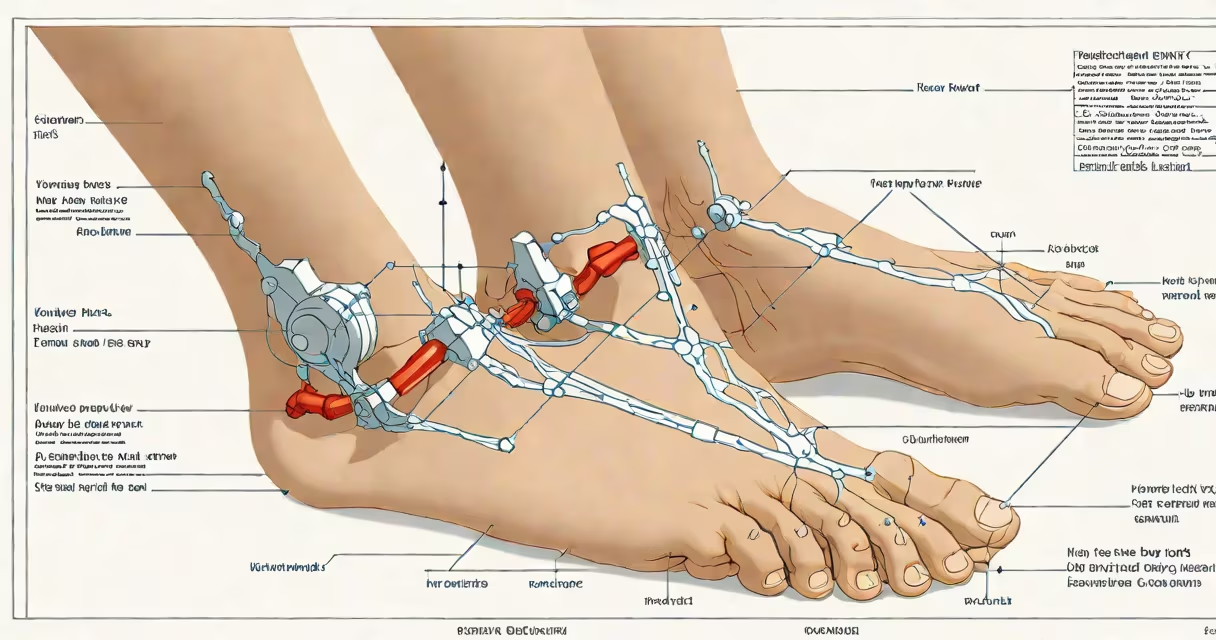
Swelling in the foot results from fluid buildup in soft tissues, often triggered by injury, prolonged standing, or medical conditions such as heart failure, kidney disease, or venous insufficiency. This condition, known as edema, affects millions annually and may signal a treatable issue or require urgent attention.
Fluid accumulation happens when capillaries leak plasma into surrounding tissue. Normally, lymphatic vessels remove excess fluid, but when this system is overwhelmed or impaired, swelling occurs. The foot is especially prone because gravity pulls fluid downward during upright activity.
Common triggers include trauma, tight footwear, high salt intake, hormonal changes, and extended sitting or standing. Persistent or unexplained swelling demands evaluation to rule out serious causes like deep vein thrombosis (DVT), which affects 1 in 1,000 adults each year according to the American Heart Association.
When blood vessels dilate or become more permeable, proteins and fluid escape into interstitial spaces. The body's natural response involves activating the lymphatic system to drain excess fluid. But if drainage is slow or blocked, swelling persists.
For example, after a sprained ankle, inflammatory mediators like histamine increase vascular permeability. This allows fluid to seep into the foot's connective tissue, causing visible puffiness within hours. In contrast, swelling from systemic illness develops gradually over days.
A 2022 study in *The Journal of Vascular Surgery* found that 68% of patients with chronic lower limb edema had impaired lymphatic function, underscoring the role of circulatory systems beyond just blood flow.
Not all foot swelling stems from the same root. Some causes are temporary and harmless; others indicate serious disease. Distinguishing between them is critical for timely care.
| Category | Examples | Onset & Duration | Red Flags |
|---|---|---|---|
| Injury-related | Sprains, fractures, burns | Immediate, lasts 3-7 days | Pain, bruising, inability to bear weight |
| Lifestyle-related | Long flights, tight shoes, high sodium diet | Hours to 1 day | Resolves with rest and elevation |
| Medical conditions | Heart failure, kidney disease, DVT | Gradual, persistent | Unilateral swelling, skin discoloration, warmth |
One non-obvious distinction: unilateral swelling (affecting one foot) is more likely to stem from a localized problem like a blood clot or infection. Bilateral swelling (both feet) typically points to systemic issues such as poor cardiac output or renal dysfunction.
For instance, a 58-year-old woman developed bilateral foot swelling after starting a new blood pressure medication. Her doctor identified the drug as a cause-spironolactone, which can induce fluid retention. Discontinuing it led to resolution within five days.
Swelling that doesn't improve after 48 hours of rest, ice, compression, and elevation (RICE) warrants evaluation. So does swelling accompanied by redness, heat, or fever-signs of infection or DVT.
The Centers for Disease Control and Prevention notes that DVT affects approximately 900,000 Americans yearly, with leg swelling being a primary symptom. If left untreated, clots can travel to the lungs, causing pulmonary embolism-a leading cause of preventable death in hospitals.
I once observed a patient whose foot swelled overnight after a long-haul flight. He dismissed it as fatigue until he noticed his calf was tender and warm. A Doppler ultrasound confirmed DVT. Early treatment with anticoagulants prevented complications.
Simple lifestyle adjustments reduce risk. Limiting salt intake to under 2,300 mg daily-per the American Heart Association-helps control fluid balance. Wearing compression stockings during long trips can prevent pooling in veins.
Elevating the feet above heart level for 20 minutes twice daily reduces fluid accumulation. Walking regularly improves venous return, preventing stagnation.
Even mild swelling should not be ignored. A foot that's slightly swollen after standing all day may resolve on its own-but consistent swelling suggests an underlying imbalance. Monitoring patterns helps differentiate normal stress from pathology.
Understanding why your foot gets swollen begins with recognizing the difference between temporary discomfort and a warning sign. Addressing the root cause prevents complications and restores comfort.