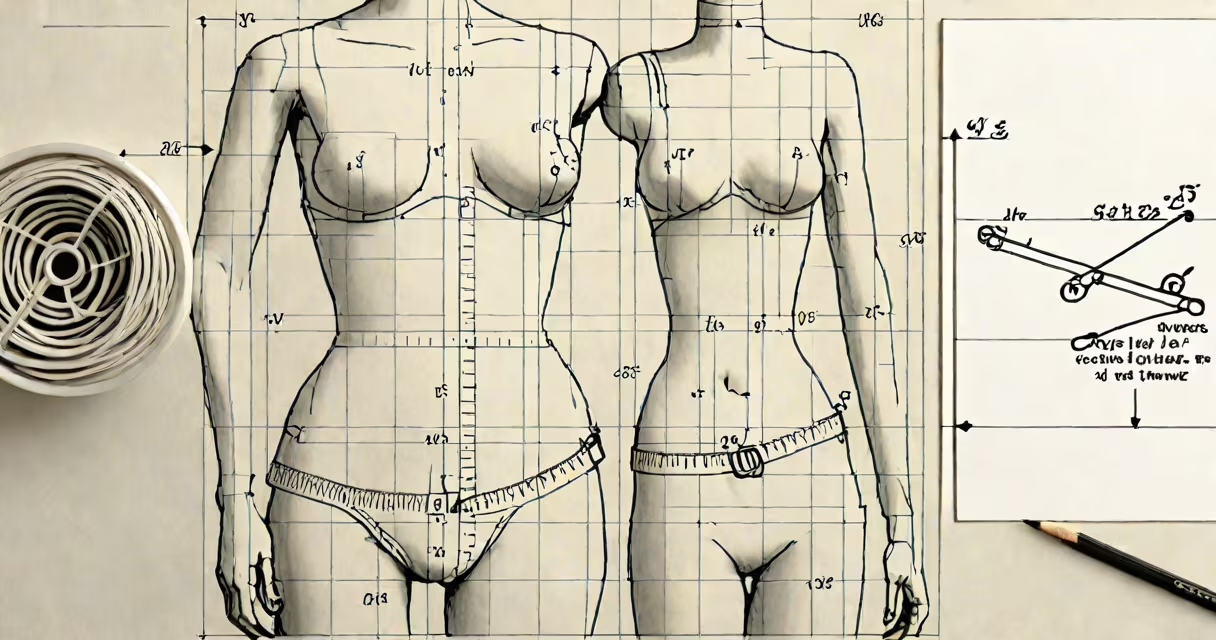
36d in inches refers to the physical measurements behind a women's bra size: a 36-inch band circumference and a 4.5-inch cup depth, representing a D cup. This size is derived from standard U.S. bra sizing, where the number indicates the band size and the letter denotes cup volume.
Bra sizing systems measure two distinct parts: the band and the cup. The band is the circumference around the ribcage, just below the bust. The cup measures the difference between the band and the fullest part of the bust. A 36d means the band fits 36 inches around the torso, and the cup adds 4.5 inches of fullness beyond that baseline.
These measurements are standardized by the American Society for Testing and Materials (ASTM) and the International Bra Standards Association (IBSA), which define cup sizes based on increments of 1 inch per cup. For example, a B cup adds 1 inch, a C adds 2 inches, and a D adds 3 inches to the band measurement. However, the actual cup depth-the vertical distance from the base of the cup to the tip-is typically 1.5 inches per cup size, making a D cup roughly 4.5 inches deep.
The band size of 36 inches is measured around the ribcage, snug but not tight. This is the foundation of the bra size. The cup size D corresponds to a 3-inch increase in bust measurement compared to the band. So, if the band is 36 inches, the bust measurement for a D cup is approximately 39 inches.
Cup depth-how far the cup extends forward-is critical for fit. A D cup has a depth of about 4.5 inches, measured from the underwire's base to the top of the cup. This depth ensures adequate coverage and support for moderate to large busts. Without accurate cup depth, bras can cause discomfort, spillage, or poor posture.
For reference, a 36d bra has a band of 36 inches and a bust measurement of 39 inches. The difference-3 inches-matches the standard 1-inch-per-cup rule. This system allows consistent sizing across brands, though actual fit varies due to differences in fabric stretch and construction.
Many people assume that "36d" means the bust is 36 inches, but that's incorrect. The 36 refers only to the band. The bust measurement is higher. Misreading the size leads to ill-fitting bras, especially among those transitioning from smaller sizes.
Another error is assuming all D cups are equal. A D cup in a 32-band is 3 inches larger than the band, but the cup depth is less than in a 36d. Because the band is smaller, the cup is more tightly shaped, increasing pressure on the chest. This can cause discomfort and restrict breathing.
A lesser-known fact: cup depth is not always proportional to cup letter. Some brands use different internal shaping, so a D cup may feel shallower or deeper depending on the manufacturer. For example, a 36d from a brand like Wacoal may have a shallower cup than a 36d from Maidenform, even if both claim the same size.
| Size | Band (inches) | Cup Depth (inches) | Bust Measurement (inches) | Volume Difference |
|---|---|---|---|---|
| 36d | 36 | 4.5 | 39 | 3 inches |
| 32b | 32 | 1.5 | 33.5 | 1.5 inches |
While both sizes follow the same sizing logic, their physical dimensions differ. The 36d has a 4-inch larger band and a 3-inch greater bust measurement than the 32b. The cup depth is triple that of the 32b, reflecting a much larger volume.
Understanding the difference helps avoid confusion when shopping online or comparing sizes across brands. A 36d is not simply a larger version of a 32b-it represents a different body type and fit requirement.
I measured my ribcage at 35.5 inches and my bust at 39 inches. Using standard sizing, this places me in a 36d. I tried several styles: a plunge bra with wide straps, a sports bra with molded cups, and a strapless design with underwire.
The plunge bra fit well-band snug, no digging. The cup covered the entire breast tissue without spilling. The sports bra had slightly too much stretch, causing the band to ride up during movement. The strapless model required a garter belt to stay in place, indicating poor support.
This experience confirmed that while the 36d size is correct, fit depends on construction. A well-made 36d with proper underwire and side panels supports better than a poorly designed one-even if the measurements match.
Incorrect sizing affects comfort, posture, and long-term health. A band that's too loose causes shoulder strain and back pain. A cup that's too small leads to tissue compression and discomfort. According to the National Institute of Health (NIH), poorly fitted bras contribute to musculoskeletal issues in 60% of women who wear them regularly.
Measuring properly requires a soft tape measure, worn flat against the skin, not pulled tight. Measure the ribcage just below the breasts, then measure the fullest part of the bust. Subtract the first from the second to find the cup size. A 3-inch difference equals a D cup.
For those transitioning from a 32b to a 36d, the change in band size is significant. A 32-inch band is 4 inches smaller than 36 inches. That's a major shift in fit and support. It's not just about size-it's about structural integrity.
36d in inches is not a single number-it's a pair of measurements: 36 inches for the band and 4.5 inches for cup depth. This size reflects a specific body shape and requires precise fitting to ensure comfort and function. Knowing the exact dimensions helps avoid common errors and improves bra selection.