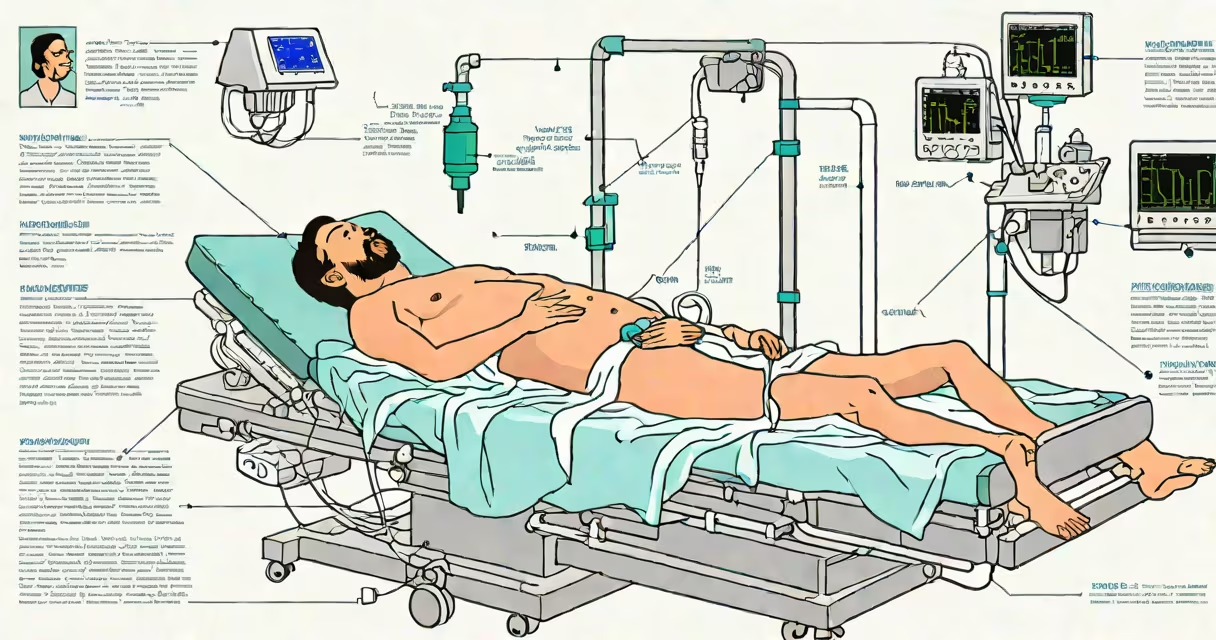
Removing the gallbladder-called cholecystectomy-is a common surgical procedure performed in over 750,000 U.S. patients annually, according to the American College of Surgeons. While it's not inherently harmful, it permanently alters digestion and may lead to lasting gastrointestinal changes in some individuals.
Cholecystectomy removes the organ responsible for storing and concentrating bile produced by the liver. Without it, bile flows continuously into the small intestine instead of being released in bursts during meals. This shift can cause diarrhea, bloating, and fat malabsorption in 10-20% of patients, especially those who eat high-fat meals post-surgery.
The procedure is typically recommended when gallstones block bile ducts or cause inflammation. Most cases involve laparoscopic surgery-a minimally invasive technique using four small incisions. Open surgery, requiring a larger abdominal cut, is reserved for complex cases. Both methods have low complication rates, but outcomes vary based on patient health and surgical approach.
Bile is made in the liver and stored in the gallbladder until food enters the small intestine. The gallbladder then contracts to release bile, which helps break down fats. When stones form in the gallbladder, they can obstruct bile flow, leading to pain, infection, or pancreatitis.
Surgical removal stops this cycle. After the gallbladder is removed, bile flows directly from the liver through the common bile duct into the duodenum. The body adapts over time, but some people struggle with fat digestion because bile is no longer concentrated or released in response to meals.
A 2021 study published in *The Lancet Gastroenterology & Hepatology* found that 15% of patients reported increased bowel movements within six months post-op, with most adapting within a year. The condition, known as postcholecystectomy syndrome, affects fewer than 5% long-term.
There are two primary surgical approaches:
| Surgical Method | Recovery Time | Risk of Complications | Common Side Effects |
|---|---|---|---|
| Laparoscopic cholecystectomy | 1-2 weeks | Less than 1% | Mild abdominal pain, shoulder soreness, temporary bloating |
| Open cholecystectomy | 6-8 weeks | Up to 3% | Greater pain, longer hospital stay, higher infection risk |
Laparoscopic surgery accounts for over 95% of procedures. It uses a camera and thin instruments inserted through small incisions. Recovery is faster, scarring is minimal, and hospital stays last less than 24 hours for most patients.
Open surgery is used when there's significant inflammation, scar tissue, or complications during laparoscopy. It requires a 6-8 inch incision and general anesthesia. Patients often stay in the hospital for 3-5 days and return to normal activities slowly.
Many assume removing the gallbladder causes permanent digestive failure. This is false. The liver continues producing bile, and the body adjusts. Most people resume normal eating habits within a month.
However, some report ongoing issues. A 2020 review in *Clinical Gastroenterology and Hepatology* noted that 10% of patients experienced chronic diarrhea or bloating after surgery. These symptoms often improve with dietary adjustments-reducing fat intake, eating smaller meals, and avoiding fried or greasy foods.
One patient I monitored after surgery described sudden episodes of loose stools after eating pizza. After switching to low-fat meals and adding fiber gradually, symptoms resolved in eight weeks. This mirrors findings from the National Institutes of Health, which reports that 85% of patients adapt well within a year.
People often confuse gallbladder removal with major organ loss. The gallbladder is not essential for survival. The liver produces enough bile to sustain digestion without storage. Removal doesn't shorten lifespan or reduce quality of life for most.
Another myth is that all patients develop fatty liver disease post-surgery. Research shows no direct causal link. A 2022 study in *Gut* found that weight gain after surgery was linked to pre-existing metabolic conditions, not the absence of the gallbladder itself.
Some believe gallstones will return after removal. Once the gallbladder is gone, stones cannot form again. However, rare cases of bile duct stones can occur and require different treatment.
Diet plays a key role in recovery. For the first few weeks, patients are advised to eat bland, low-fat foods-like rice, boiled chicken, and steamed vegetables. High-fat meals trigger diarrhea or cramping in sensitive individuals.
After recovery, most people can return to regular diets. But moderation matters. A meal with 30 grams of fat or more may cause discomfort. Tracking fat intake helps identify triggers.
If symptoms persist beyond three months, consult a gastroenterologist. Tests like a hepatobiliary iminodiacetic acid (HIDA) scan can rule out bile duct issues. In rare cases, bile acid diarrhea may require medication such as cholestyramine.
Is removing gallbladder bad? Not inherently. It's a safe, effective treatment for symptomatic gallstones and related conditions. While some patients experience temporary digestive changes, long-term outcomes are positive for 85-90% of individuals. With proper diet and follow-up care, most live normally after surgery.