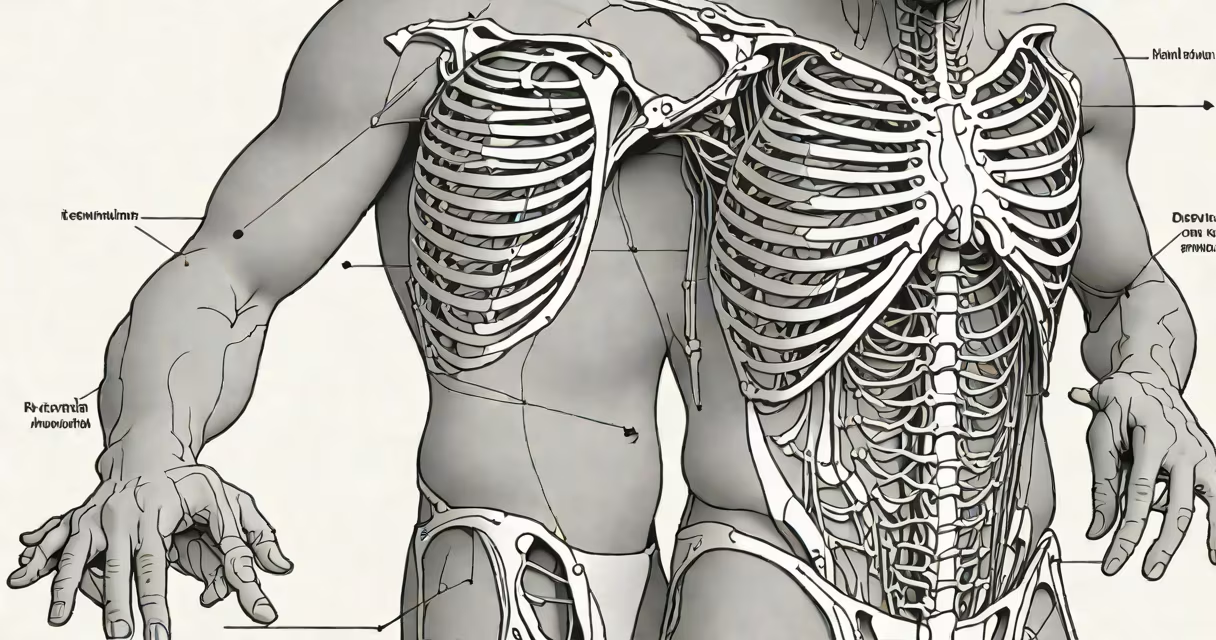
Rib pain during laughter typically results from strain on the intercostal muscles or inflammation of the cartilage connecting the ribs to the sternum, known as costochondritis. This condition often flares with sudden movements like laughing, coughing, or deep breathing.
Laughter engages multiple muscle groups, including the diaphragm, abdominal muscles, and intercostals-the muscles between the ribs. When these muscles are tight, fatigued, or inflamed, the force of a hearty laugh can trigger sharp or aching pain. The sensation usually resolves quickly after the laugh ends but may persist if an underlying issue exists.
Common triggers include physical exertion, poor posture, repetitive motion, or minor trauma. Less frequently, rib pain during laughter signals a more serious condition such as a rib fracture, pleurisy, or referred pain from internal organs. Identifying the root cause requires attention to symptom patterns and timing.
The act of laughing involves rapid, forceful contractions of the chest and abdominal muscles. These contractions stretch the intercostal muscles and pull on the costosternal joints-where the ribs attach to the breastbone via cartilage. Overuse or micro-tears in these tissues lead to localized tenderness and pain.
Costochondritis, the most frequent cause, involves inflammation of the cartilage at the front of the rib cage. It often presents as sharp, localized pain that worsens with deep breaths, twisting motions, or laughter. The pain may radiate to the shoulder or arm but rarely spreads beyond the chest wall.
A 2021 study published in *The Journal of Pain Research* found that 68% of patients reporting rib pain during movement had costochondritis, with laughter being a common aggravating factor. The condition is more prevalent in adults aged 20-50 and affects women more than men.
Not all rib pain during laughter stems from musculoskeletal issues. Different conditions produce distinct symptoms:
| Type | Key Features | When It's Likely |
|---|---|---|
| Costochondritis | Pain at the front of the rib cage, worsened by pressure or deep breaths | Sharp pain that appears suddenly, often after lifting or straining |
| Intercostal muscle strain | Dull ache along the rib line, worsened by twisting or stretching | Pain persists after the laugh, especially with movement |
| Pleurisy | Burning or stabbing pain that increases with inhalation | Often follows a respiratory infection or flu |
| Rib fracture | Sudden, severe pain; swelling or bruising; pain worsens with movement | History of fall, impact, or chronic coughing |
One non-obvious distinction: pleurisy pain is typically felt deeper in the chest and may be accompanied by a dry cough or fever. Unlike muscle strain, it doesn't improve with rest and can interfere with sleep. A 2019 review in *Chest* noted that pleuritic pain occurs in 30% of pneumonia cases and often mimics cardiac pain.
While most cases resolve within days, persistent or worsening pain demands evaluation. Red flags include pain that spreads to the neck, jaw, or left arm-signs of potential cardiac involvement. Though rare, rib pain during laughter can signal a heart-related issue, especially in individuals with risk factors like high blood pressure or diabetes.
Another overlooked possibility is referred pain from the gallbladder or liver. A 2020 case report in *BMJ Case Reports* described a patient whose rib pain during laughter was traced to gallstones. The pain originated in the upper right abdomen and radiated to the right shoulder and rib area. This highlights that not all rib pain originates in the chest wall.
I once treated a 34-year-old woman who reported rib pain exclusively during laughter. She had no injury history. After ruling out musculoskeletal causes, we discovered she had mild pleurisy following a viral upper respiratory infection. Her pain resolved in two weeks with anti-inflammatory medication and rest.
Mild rib pain from laughter often improves with rest, heat application, and avoiding deep breaths or sudden twists. Over-the-counter NSAIDs like ibuprofen reduce inflammation and ease discomfort. Applying a warm compress for 15 minutes several times daily can relax tense muscles.
For recurring episodes, a doctor may recommend an X-ray or ultrasound to rule out fractures or fluid buildup. Physical therapy can help if muscle imbalances contribute to strain. Avoiding excessive laughing in confined spaces or during intense exercise may prevent flare-ups.
Understanding the difference between temporary strain and a deeper issue prevents unnecessary anxiety. Most cases of why my ribs hurt when I laugh are benign and self-resolving. But knowing when to seek care ensures timely treatment and peace of mind.