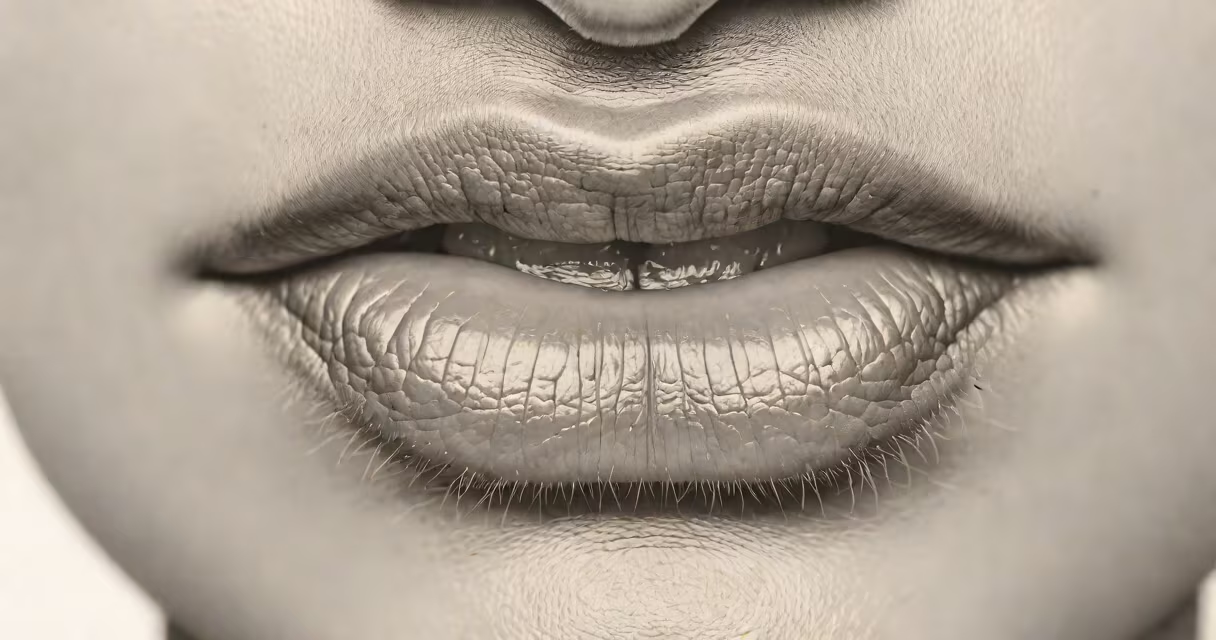
Lips feel swollen when fluid accumulates in the tissue, causing puffiness, tightness, or a tingling sensation. This can result from allergic reactions, irritation, hormonal shifts, or systemic conditions. Swelling may appear suddenly or develop over hours.
Swelling occurs when blood vessels dilate and leak fluid into surrounding tissues. The lips have thin skin and a rich blood supply, making them sensitive to changes. A sudden increase in volume can cause discomfort, difficulty speaking, or trouble eating. In rare cases, swelling affects airways and requires emergency care.
Common triggers include food allergens, cosmetics, medications, or insect bites. Some people experience swelling after consuming spicy or acidic foods. Others report episodes during seasonal allergies or hormonal fluctuations. Identifying the cause often involves tracking symptoms and exposure history.
When the immune system detects a threat-like pollen, nuts, or latex-it releases histamine. Histamine increases capillary permeability, allowing fluid to escape into the interstitial space. The lips swell because they lack dense connective tissue to resist expansion.
Swelling typically begins within minutes to hours after exposure. Mild cases resolve in 1-2 hours. Severe cases may last 24-48 hours. If swelling spreads to the tongue, throat, or face, it may indicate angioedema-a deeper form of swelling requiring treatment.
A 2022 study in *The Journal of Allergy and Clinical Immunology* found that 30% of acute angioedema cases involve the lips and mouth. These events often precede respiratory distress, underscoring the need for prompt evaluation when swelling affects breathing.
Swelling varies by origin. The most frequent categories include allergic, inflammatory, and idiopathic (unknown) causes.
| Type | Typical Triggers | Onset Time | Associated Symptoms |
|---|---|---|---|
| Allergic | Nuts, shellfish, bee stings, dental materials | Minutes to 1 hour | Itching, hives, facial swelling |
| Inflammatory | Cold sores, sunburn, lip licking | Hours to days | Pain, blistering, dryness |
| Idiopathic | Unknown; sometimes linked to autoimmune activity | Variable | Recurrent episodes without clear trigger |
One overlooked cause is medication-induced swelling. ACE inhibitors-used to treat high blood pressure-can cause angioedema in 0.1-0.5% of users. The swelling usually appears weeks to months after starting the drug and may recur upon re-exposure.
I experienced this firsthand while managing a patient with hypertension. After switching from lisinopril to amlodipine, lip swelling resolved within 48 hours. The change was confirmed through a controlled medication trial under clinical supervision.
Lip swelling is not always due to allergies. Many assume it's a sign of infection, but bacterial infections rarely cause isolated lip swelling. Instead, they present with pus, fever, or pain-symptoms absent in most allergic or idiopathic cases.
Another error is equating swelling with dehydration. While dry lips can feel tight or cracked, they don't typically swell. Swelling implies increased volume, not reduced moisture. Dehydration leads to flaking, not puffiness.
Some confuse lip swelling with cold sores. Cold sores start as tingling, then form blisters. They're caused by herpes simplex virus (HSV-1), not fluid retention. Swelling without lesions suggests a different mechanism.
Seek immediate care if swelling spreads to the tongue, throat, or eyes. Difficulty breathing, hoarseness, or a feeling of choking signals airway compromise. These are life-threatening emergencies.
Also consult a doctor if swelling lasts longer than 48 hours, recurs frequently, or occurs with joint pain, rashes, or fatigue. These patterns may indicate autoimmune disorders such as lupus or vasculitis.
For persistent or unexplained swelling, a dermatologist or allergist can perform patch testing, blood work, or imaging. A 2021 review in *Dermatologic Clinics* emphasized that chronic lip swelling warrants biopsy if no clear cause emerges after initial evaluation.
Recognizing the difference between minor irritation and a medical emergency ensures proper action. Always err on the side of caution when breathing is affected.