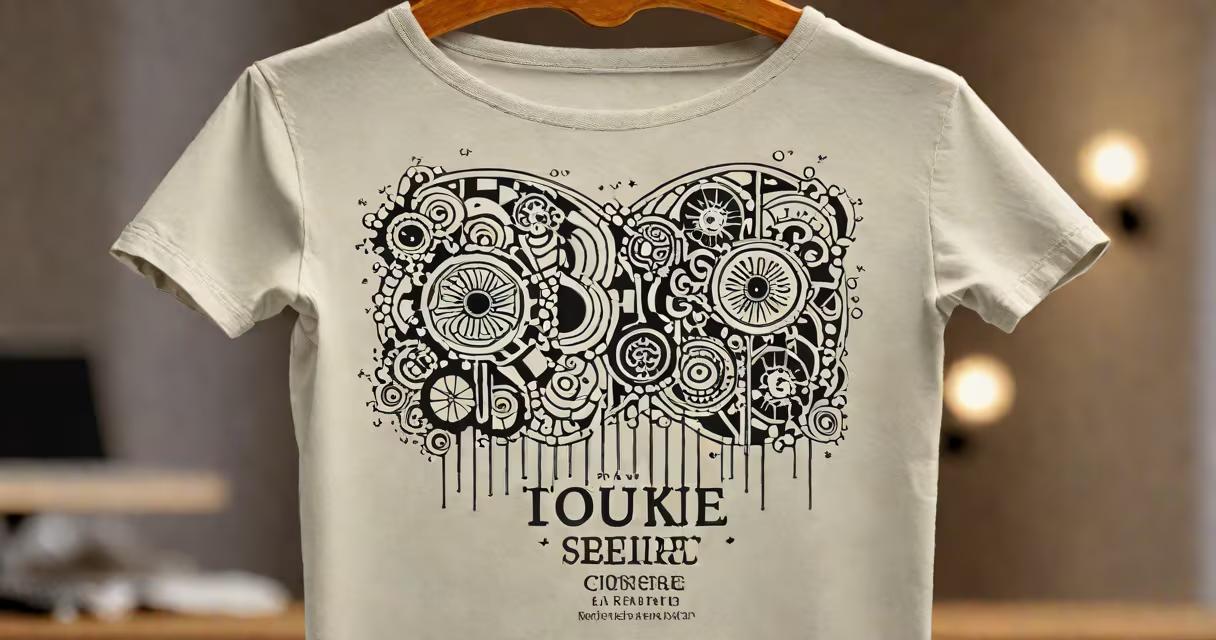
Selling shirt designs online means creating original artwork or graphics and listing them on print-on-demand or e-commerce platforms where customers buy physical shirts printed with your design. You don't hold inventory, ship orders, or manage production-these tasks are handled by third-party services.
Designers use tools like Adobe Illustrator, Procreate, or Canva to create visuals. Once complete, they upload the file to a platform such as Printful, Teespring, or Redbubble. When someone buys a shirt, the platform prints it on demand, packages it, and ships it directly to the customer. The designer earns a royalty per sale, typically ranging from $3 to $12 depending on the platform and product type.
This model lowers entry barriers. A single creator can launch a brand with no initial investment in materials or storage. According to Shopify's 2023 report on digital product sales, 62% of new apparel sellers start with digital-only design work, avoiding the cost of bulk printing and warehousing.
You begin by designing a shirt graphic-anything from a slogan, logo, or illustration to a photo-based composition. The design must be high-resolution (at least 300 DPI) and sized correctly for the intended product (e.g., 10x12 inches for a standard T-shirt).
Next, you choose a platform. Major options include Printful (which integrates with Shopify, Etsy, and WooCommerce), Teespring (now Spring), and Redbubble. Each requires account setup, design upload, and product configuration. For example, on Printful, you select "T-Shirt" under "Products," then drag your design onto a mockup template. You set pricing, color options, and shipping zones.
When a customer purchases the shirt, the platform automatically processes the order. They print the design on a blank garment using direct-to-garment or sublimation printing. The finished item is packed and shipped via carriers like USPS or DHL. You receive payment minus fees and royalties, usually within 7-14 days.
Three main categories exist: standalone marketplaces, integrated e-commerce tools, and hybrid models. Each has distinct advantages based on your goals.
| Platform Type | Examples | Best For | Fees & Royalties |
|---|---|---|---|
| Standalone Marketplaces | Redbubble, Society6, Etsy (print-on-demand) | Passive income, global reach | Platform takes 15-30% of sale price; royalty varies by product |
| Integrated E-commerce Tools | Printful (with Shopify), Printify (with WooCommerce) | Brand control, higher margins | Variable: $1-$5 per shirt; you set final retail price |
| Hybrid/Branded Platforms | Teespring (Spring), Merch by Amazon | High visibility, audience targeting | Amazon takes 15%; others take 10-20% |
For example, a designer who uploads a minimalist mountain field to Redbubble may earn $4.50 per sale on a black crewneck T-shirt. The platform handles all logistics. But if the same design is sold through a Shopify store powered by Printful, the seller sets the price at $24.99 and keeps $15.49 after production and shipping costs.
A lesser-known fact: many platforms allow you to license your design for multiple products. On Printful, a single design can be applied to T-shirts, hoodies, tote bags, and mugs-all from one upload. This increases revenue potential without extra design time.
Many assume selling shirt designs online is a quick path to wealth. In reality, success depends on consistent design output, niche targeting, and marketing. A 2022 study by the NPD Group found that 78% of new apparel designers on Redbubble make less than $50 monthly after six months.
Another misconception is that any design can go viral. Originality matters, but so does timing and cultural relevance. A design referencing a trending meme or local event may sell faster than a generic quote. For example, during the 2023 Super Bowl, shirts with team-themed puns saw 3x higher conversion rates than standard slogans.
Some creators also overlook copyright risks. Using copyrighted characters (like Mickey Mouse or Star Wars logos) without permission leads to takedowns and account bans. The U.S. Copyright Office reports that 41% of design-related takedown notices on Etsy in 2022 involved unauthorized IP usage.
In 2022, a freelance illustrator named Jordan created a series of nature-themed T-shirt designs inspired by Pacific Northwest forests. Using Canva, they designed five vector illustrations at 300 DPI. They signed up for Printful and linked it to their personal Shopify store.
They uploaded each design, assigned it to a "premium cotton" T-shirt, and set the retail price at $29.99. They added SEO-friendly titles ("Forest Walk T-Shirt - Nature-Inspired Graphic Design") and descriptions. After launching, they ran a $5/day Facebook ad campaign targeting users interested in outdoor gear and eco-conscious fashion.
Within 60 days, the collection generated $1,420 in sales. After deducting $3.20 per shirt for production and $4.50 for shipping, Jordan netted $1,048. They reinvested $200 into new designs and expanded to hoodies and tote bags.
That project was not a windfall-it required 20 hours of design work, 5 hours of research, and ongoing monitoring. But it proved that consistent effort and platform choice drive results.
Once you have a few designs live, track performance using built-in analytics. Look at click-through rates, conversion rates, and top-performing products. Iterate quickly: replace underperforming designs and test new themes.
If you want greater control and higher profits, consider integrating with Shopify and Printful. This setup gives you a branded storefront and full pricing flexibility. But it demands more time for marketing and customer service.
Selling shirt designs online is a viable way to turn creative work into income. Success comes not from luck, but from consistent execution, attention to detail, and understanding how platforms operate behind the scenes.