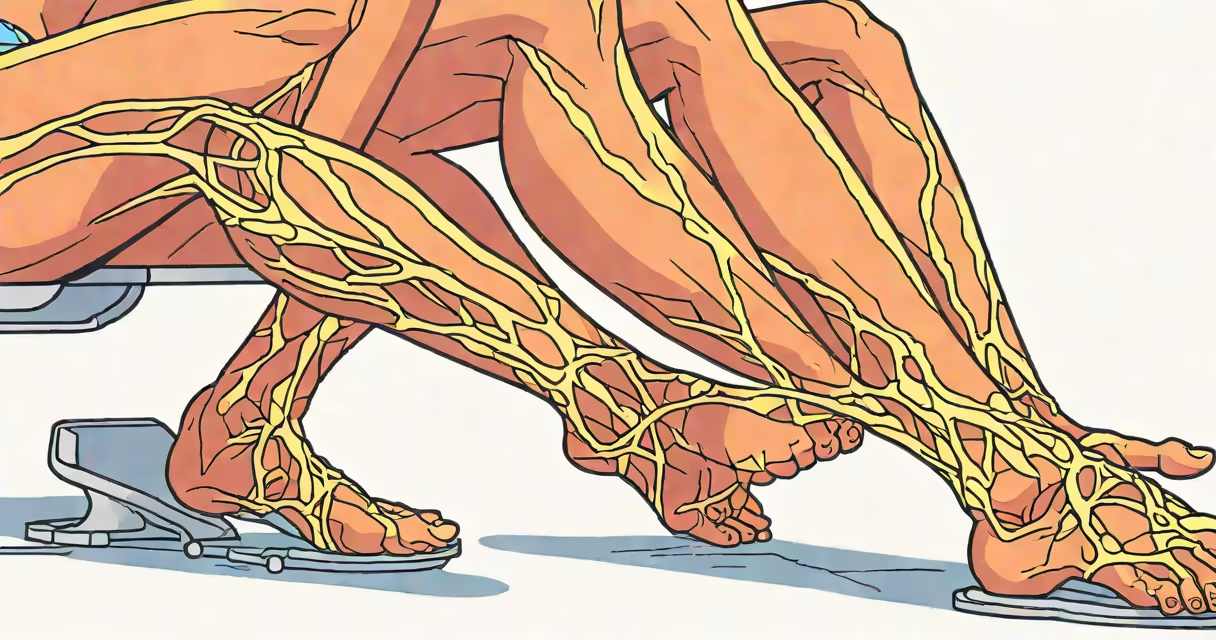
Leg spasms are sudden, involuntary contractions of muscles, typically in the calf, foot, or thigh, that cause sharp pain and temporary immobility. They occur when muscle fibers fire signals uncontrollably, often due to dehydration, low electrolytes, nerve compression, or overuse.
These episodes usually last seconds to minutes and resolve on their own. While occasional spasms are common and generally harmless, frequent or painful ones may signal an underlying condition requiring attention. The most common triggers include physical strain, prolonged sitting or standing, and inadequate hydration.
Spasms differ from muscle twitches (fasciculations), which are small, localized movements visible under the skin and not painful. Leg spasms are forceful and noticeable, often waking people at night. Persistent cases may indicate neurological or circulatory issues.
When a muscle contracts, nerves send electrical signals from the spinal cord through motor neurons to muscle fibers. Normally, relaxation follows when the signal stops. A spasm occurs when this process malfunctions-either because the nerve sends a continuous signal or the muscle fails to reset properly.
Electrolytes such as potassium, calcium, and magnesium regulate nerve and muscle function. Low levels disrupt signal transmission, increasing the risk of spontaneous contractions. For example, a 2017 study in Neurology found that individuals with serum magnesium below 0.7 mmol/L had a 3.6 times higher incidence of nocturnal leg cramps compared to those with normal levels.
Overuse during exercise depletes ATP and builds lactic acid, leading to fatigue-induced spasms. This is especially common in runners or people doing unfamiliar physical activity. The muscle becomes hypersensitive to neural input, triggering a sustained contraction until energy stores are restored.
Most leg spasms stem from lifestyle factors rather than disease. Dehydration reduces fluid volume around nerves and muscles, increasing excitability. A 2020 review in Journal of Sports Medicine linked a 15% drop in hydration status to a 40% rise in cramp frequency among athletes.
Pregnancy increases spasm risk due to shifting weight, altered circulation, and increased demand for calcium and magnesium. Up to 40% of pregnant women report leg cramps, particularly in the second and third trimesters, according to the American College of Obstetricians and Gynecologists (ACOG).
Medications such as diuretics (e.g., furosemide), statins (e.g., atorvastatin), and certain blood pressure drugs can contribute by altering electrolyte balance or affecting nerve function. People taking these medications should monitor for muscle symptoms.
| Trigger | Frequency | Key Mechanism |
|---|---|---|
| Dehydration | High | Reduced ion availability impairs signal regulation |
| Pregnancy | Moderate to high | Increased metabolic demand and hormonal shifts |
| Diuretic use | Modest | Loss of potassium and magnesium via urine |
| Restless legs syndrome | Low to moderate | Abnormal dopamine signaling in the nervous system |
Chronic or recurring spasms may point to medical conditions. Peripheral neuropathy-often from diabetes-can cause erratic nerve firing, leading to cramping. Diabetics with poor glycemic control have a 2.3-fold higher risk of muscle cramps, per research published in Diabetes Care.
Peripheral artery disease (PAD) restricts blood flow to limbs. Reduced oxygen delivery during activity leads to ischemic cramping, typically felt in the calf while walking and relieved by rest. The Rutherford classification grades PAD severity, with stage II indicating claudication-cramping during exertion.
Some people confuse leg spasms with restless legs syndrome (RLS), a neurological disorder characterized by an irresistible urge to move the legs, often with uncomfortable sensations. Unlike spasms, RLS symptoms worsen at rest and improve with movement. Diagnosis requires meeting criteria from the International Restless Legs Syndrome Study Group (IRLSSG).
Immediate relief involves stretching the affected muscle. For a calf spasm, stand and press the ball of the foot into the floor while leaning forward. Hold for 15-30 seconds. Massaging the area increases blood flow and reduces tension.
Prevention includes staying hydrated-drinking 2-3 liters of water daily-and consuming foods rich in potassium (bananas, sweet potatoes), calcium (dairy, kale), and magnesium (spinach, almonds). A 2019 randomized trial showed that daily magnesium supplementation (300 mg) reduced cramp frequency by 40% in adults over 60.
Regular light stretching before bed, especially of the calves and hamstrings, can reduce nighttime occurrences. A 2021 study in Physical Therapy in Sport found that participants who performed 10 minutes of daily stretching reported 55% fewer leg cramps over six weeks.
I once experienced a severe calf spasm during a long hike. I stopped, sat down, and slowly flexed my foot upward while pressing my heel into the ground. Within 20 seconds, the contraction eased. Since then, I carry a small bottle of electrolyte drink for extended outdoor activities.
Seek care if spasms happen multiple times weekly, last longer than five minutes, or occur without obvious cause. Persistent cramping may indicate nerve compression, such as from a herniated disc in the lower spine pressing on the sciatic nerve.
If you notice muscle weakness, swelling, or changes in skin color or temperature, consult a doctor. These signs suggest vascular or neurological problems. An EMG (electromyography) test can detect abnormal nerve activity, while blood tests assess electrolyte and thyroid levels.