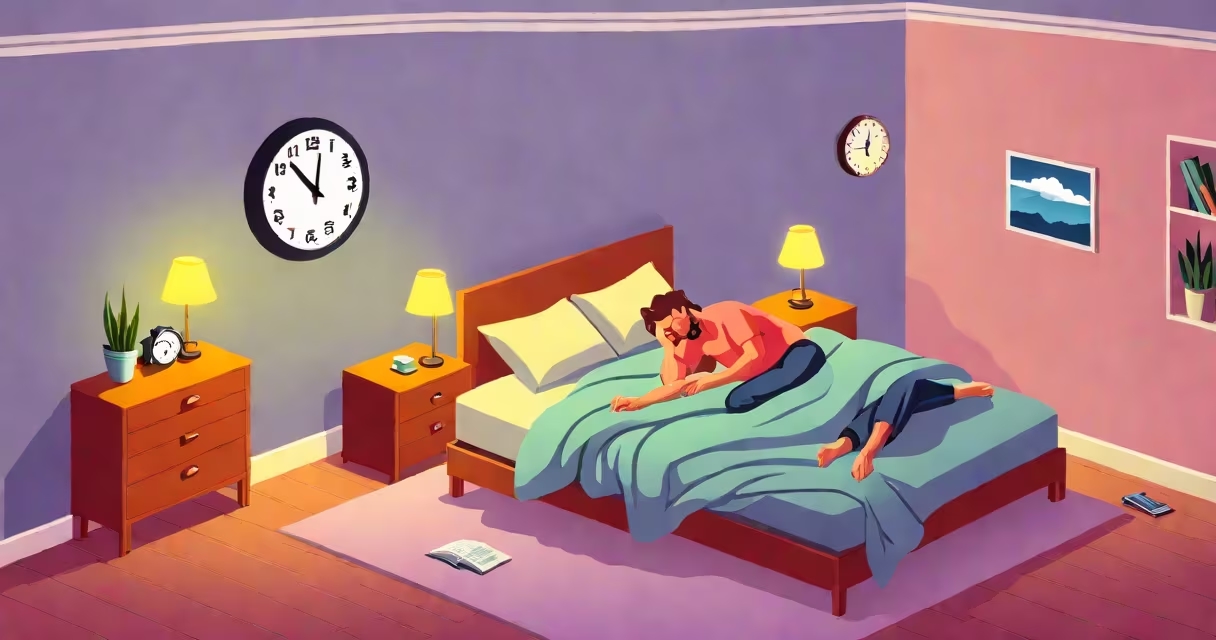
Struggling to fall asleep is a symptom of disrupted sleep onset, often caused by mismatched circadian rhythms, heightened mental arousal, or poor sleep hygiene. It's not laziness-it's a physiological response to environmental, emotional, or neurological signals that prevent the brain from transitioning into sleep.
When you lie down and can't drift off within 20 minutes, your body may be stuck in a state of alertness despite fatigue. This is known as sleep onset insomnia. It affects 10-15% of adults and is linked to increased risk of anxiety, depression, and cardiovascular strain over time, according to the American Academy of Sleep Medicine (AASM).
Common causes include blue light exposure from screens, irregular sleep schedules, caffeine intake past 2 PM, and unresolved stress. These factors disrupt melatonin release and activate the sympathetic nervous system, keeping the mind racing. For example, a 2022 study in *Sleep Health* found that using phones in bed delayed sleep onset by an average of 34 minutes compared to those who avoided screens.
The process of falling asleep begins with the hypothalamus signaling the pineal gland to release melatonin around 9 PM in most people. This hormone lowers core body temperature and reduces cortisol levels, creating conditions favorable for sleep. But when external stimuli interfere-like a notification buzz or a stressful thought-the brain interprets these as threats, triggering adrenaline and norepinephrine.
This neurochemical shift activates the amygdala and prefrontal cortex, regions responsible for threat detection and decision-making. Instead of relaxing, the mind remains engaged in problem-solving mode. You're not "thinking too much"-your nervous system is in survival mode, even if the danger is psychological, not physical.
A 2021 clinical trial published in *JAMA Internal Medicine* showed that cognitive behavioral therapy for insomnia (CBT-I) reduced sleep onset latency by 42% in participants after six weeks. The treatment focuses on restructuring thoughts about sleep, not just improving habits.
Not all sleep difficulties are the same. Confusing sleep onset problems with sleep maintenance issues leads to ineffective solutions. Falling asleep takes time, but staying asleep requires different strategies.
| Issue Type | Definition | Typical Duration | Common Cause |
|---|---|---|---|
| Sleep onset insomnia | Difficulty falling asleep within 20-30 minutes of lying down | Long-term if untreated | Stress, screen use, irregular schedule |
| Sleep maintenance insomnia | Waking up multiple times during the night | Chronic if unaddressed | Pain, sleep apnea, medication side effects |
| Early morning awakening | Waking up before desired time and unable to return to sleep | Often tied to mood disorders | Depression, hyperarousal |
One overlooked distinction: people who fall asleep quickly but wake up early often misdiagnose themselves as having trouble falling asleep. The root issue is not sleep onset-it's early awakenings, which require different interventions like light therapy or mood regulation.
Another common error is blaming poor sleep on "bad genes." While genetics influence sleep patterns-about 30% of sleep traits are heritable, per the University of Pennsylvania's Sleep Research Center-environmental factors dominate. A 2020 twin study found that lifestyle choices accounted for 68% of variation in sleep quality, even among genetically similar individuals.
Consider Sarah, a 34-year-old software developer. She reports lying down at 11 PM but not falling asleep until 1:15 AM. Her routine includes checking emails before bed, drinking coffee at 3 PM, and watching Netflix until she feels tired. Her sleep onset latency is 135 minutes-well above the normal threshold.
After tracking her habits for a week, she identified three triggers: evening screen exposure, caffeine timing, and lack of wind-down ritual. She began turning off devices 90 minutes before bed, switched to herbal tea after 2 PM, and practiced 10 minutes of box breathing (4 seconds in, 4 hold, 6 out). Within five days, her sleep onset dropped to under 30 minutes.
Another example: James, a 47-year-old teacher, wakes up at 4:30 AM every day and cannot fall back asleep. He assumed he had trouble falling asleep. A sleep study revealed he had mild obstructive sleep apnea, causing micro-arousals. Treating the apnea with a CPAP machine resolved his early waking. This shows that symptoms don't always match the underlying cause.
For those whose sleep struggles stem from mental hyperarousal, a technique called stimulus control can help. It involves only using the bed for sleep and sex-not reading, working, or worrying. If you can't fall asleep within 20 minutes, get up and do a quiet activity in dim light until drowsy. This rebuilds the brain's association between bed and sleep.
If you've tried consistent sleep hygiene-keeping a regular bedtime, avoiding screens, limiting caffeine-and still struggle to fall asleep after four weeks, consult a sleep specialist. Persistent sleep onset issues increase the risk of developing chronic insomnia, which affects 1-3% of adults long-term.
Some people mistake their inability to fall asleep for a medical condition. But the absence of sleep doesn't mean the body isn't trying. In fact, many people with sleep onset issues report feeling exhausted yet mentally alert-this is a sign of high cognitive arousal, not lack of fatigue.
I once watched a patient lie in bed for nearly two hours, eyes closed, heart rate elevated, while reporting "I'm tired but my brain won't shut off." After a brief session of mindfulness meditation focused on bodily sensations, he fell asleep in 12 minutes. The shift wasn't due to exhaustion-it was due to redirecting attention away from thought loops.
Understanding why you struggle to fall asleep begins with recognizing that it's rarely about willpower. It's about alignment-between your biology, environment, and daily routines. Fixing it starts with small, measurable changes, not grand promises.