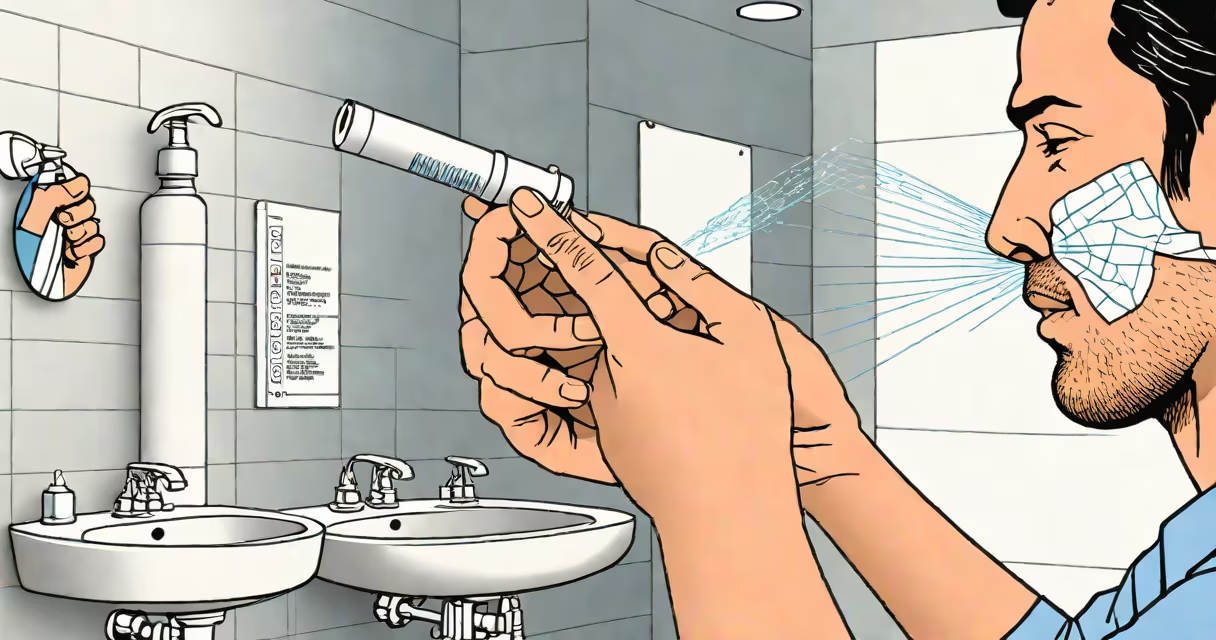
Allergy medicine nose spray delivers medication directly into the nasal passages to reduce inflammation, congestion, and runny nose caused by allergic reactions. These sprays work locally in the nose rather than systemically, minimizing side effects compared to oral antihistamines.
Nasal sprays fall into two main categories: corticosteroids and antihistamines. Corticosteroid sprays reduce swelling and mucus production in the nasal lining. Antihistamine sprays block histamine, the chemical released during an allergic response. Both types are effective for seasonal and year-round allergies, including pollen, dust mites, and pet dander.
The U.S. Food and Drug Administration (FDA) classifies prescription and over-the-counter (OTC) nasal sprays based on potency and active ingredients. For example, fluticasone furoate (Flonase) and mometasone (Nasonex) are FDA-approved OTC corticosteroid sprays. Azelastine (Astepro) is an OTC antihistamine spray. Each requires consistent daily use to achieve full effect, with most showing improvement within 1-3 days.
Allergy medicine nose spray targets the upper airway where allergens enter. When airborne particles like tree pollen or mold spores reach the nasal lining, immune cells release histamine. This causes blood vessels to dilate, leading to swelling, itching, and excessive mucus. The spray coats the nasal mucosa and suppresses this cascade.
Corticosteroid sprays inhibit multiple inflammatory pathways. They reduce edema, decrease mucus secretion, and stabilize mast cells. Results take 2-3 days to appear because they require time to build up in tissues. Daily use is essential-skipping doses delays effectiveness.
Antihistamine sprays act faster. They bind to H1 receptors in the nasal lining, preventing histamine from triggering symptoms. A single dose can relieve sneezing and runny nose within 15 minutes. However, their effect lasts only 8-12 hours, requiring twice-daily dosing.
Not all nasal sprays treat the same symptoms. The choice depends on dominant symptoms and duration of use.
| Type | Active Ingredient | Onset Time | Duration | Best For |
|---|---|---|---|---|
| Corticosteroid (OTC) | Fluticasone furoate, Mometasone | 2-3 days | 24 hours | Chronic congestion, postnasal drip |
| Antihistamine (OTC) | Azelastine | 15 minutes | 8-12 hours | Sneezing, runny nose |
| Decongestant (OTC) | Pseudoephedrine (oral), Oxymetazoline (spray) | 5-10 minutes | 4-6 hours | Short-term congestion relief |
Decongestant sprays like oxymetazoline (Afrin) provide rapid relief but should not be used longer than 3 days. Prolonged use causes rebound congestion-worsening symptoms due to nasal tissue dependence. This is a common mistake: patients use decongestants for weeks, thinking they're helping, when they actually worsen the condition.
Prescription-only sprays include ciclesonide (Omnaris) and budesonide (Rhinocort Aqua). These offer stronger anti-inflammatory action and are used when OTC options fail. They require a doctor's evaluation and may have higher risk profiles for long-term use.
Allergy medicine nose spray is recommended for people with persistent or seasonal allergic rhinitis. The American Academy of Allergy, Asthma & Immunology (AAAAI) states that intranasal corticosteroids are the most effective treatment for moderate-to-severe allergic rhinitis.
Use cases include:
I've used Flonase daily during ragweed season in late summer. After three days of consistent use, my morning congestion dropped from constant to occasional. I applied it at night, which helped prevent waking up with a stuffy nose. The spray was easy to use-just one puff per nostril.
Many assume all nasal sprays are the same. That's incorrect. A corticosteroid spray treats inflammation; an antihistamine spray treats itch and runny nose. Using the wrong type leads to poor symptom control.
Another myth: "Nasal sprays are addictive." This applies only to decongestant sprays used beyond 3 days. Corticosteroid and antihistamine sprays do not cause physical dependence. The FDA confirms that intranasal corticosteroids are safe for long-term use in adults and children aged 12 and older.
Some users think they need to use the spray every time they feel symptoms. But timing matters. Corticosteroid sprays work best when used consistently, even when symptoms are mild. Starting early-before allergy season peaks-improves outcomes. Delaying use until symptoms flare reduces effectiveness.
For most people with seasonal allergies, a corticosteroid spray like Flonase or Nasonex is the first-line option. They reduce swelling and prevent mucus buildup. If sneezing and watery eyes dominate, adding an antihistamine spray like Astepro can improve results.
When selecting an effective allergy medicine, look for products approved by the FDA and labeled for your specific symptoms. Avoid sprays marketed as "natural" or "herbal"-many lack clinical testing and may contain undeclared steroids or irritants.
Always follow label instructions. Prime the nozzle before first use. Shake if required. Use a clean finger to wipe the tip after each use to prevent contamination. Store upright at room temperature.
Consistent use is key. Most sprays require 1-2 weeks of daily application to reach peak effectiveness. Stopping early leads to relapse. If symptoms persist past 2 weeks, consult a healthcare provider.
Allergy medicine nose spray is a targeted, evidence-based solution for nasal allergy symptoms. It works by reducing inflammation and blocking allergic mediators directly in the nasal cavity. With proper selection and consistent use, it provides reliable relief for millions of people each year.