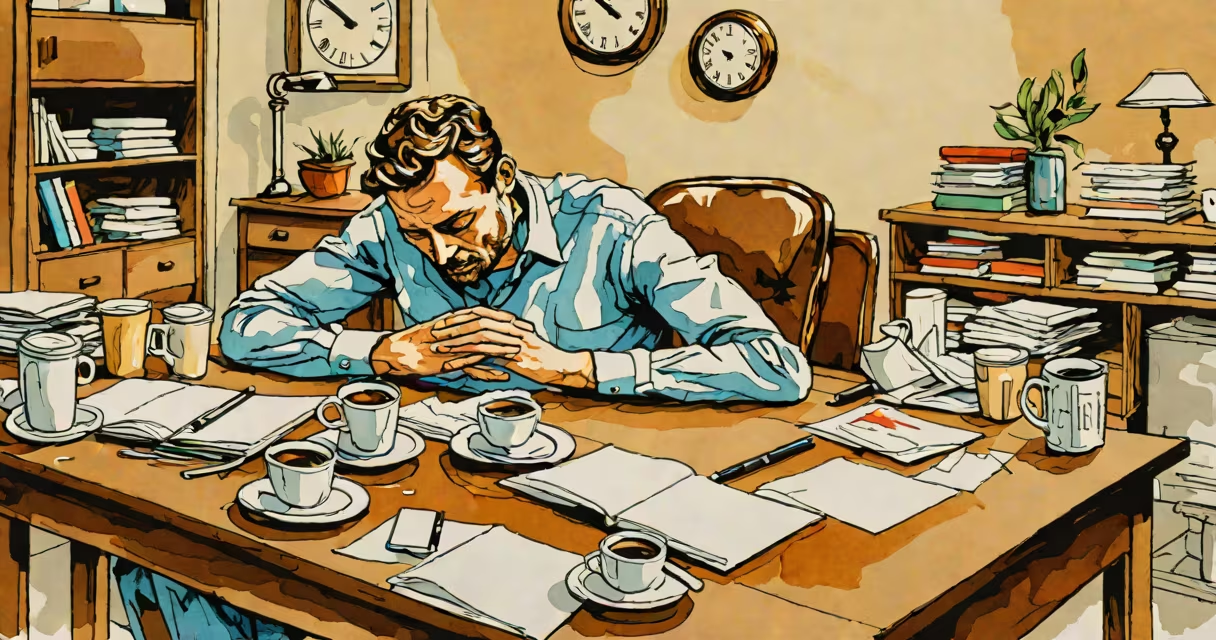
You feel physically and mentally drained despite adequate sleep because your body's energy systems are disrupted by biological, psychological, or environmental stressors. This state isn't laziness-it's a physiological signal pointing to underlying issues.
Energy in the human body comes from cellular respiration, where glucose and oxygen combine in mitochondria to produce ATP-the molecule cells use for work. When this process falters due to nutrient deficiency, hormonal imbalance, or chronic stress, ATP production drops. You don't "run out" of energy; your system fails to generate it efficiently.
The brain uses 20% of your body's daily energy budget. When neural circuits lack fuel, focus fades, mood dips, and motivation vanishes. A 2021 study in *Nature Metabolism* showed that even mild dehydration reduces cerebral blood flow by 15%, impairing mental performance within hours.
Your body doesn't store energy like a battery. Instead, it converts food into usable forms through metabolic pathways. Glucose enters cells via insulin signaling. Without enough insulin sensitivity, glucose sits in the bloodstream, starving cells. This leads to fatigue even after eating.
Chronic inflammation also disrupts energy. Inflammatory cytokines like TNF-alpha interfere with mitochondrial function. A 2020 review in *Cell Metabolism* linked elevated TNF-alpha levels to reduced ATP synthesis in muscle tissue, explaining why people with autoimmune disorders report persistent exhaustion.
Stress hormones like cortisol spike during prolonged stress. Initially, they boost alertness. Over time, they suppress thyroid function and deplete adrenal reserves. This creates a crash phase marked by exhaustion, brain fog, and irritability-common in burnout syndrome.
Low energy isn't a single condition. It's a symptom of multiple systems failing. Below are primary categories, their mechanisms, and real-world examples:
| Type | Key Cause | Example Condition | Diagnostic Clue |
|---|---|---|---|
| Nutritional Deficiency | Lack of B12, iron, or vitamin D | Pernicious anemia | Hemoglobin below 12 g/dL; fatigue worsens with activity |
| Hormonal Imbalance | Thyroid underactivity (hypothyroidism) | Hashimoto's disease | TSH above 4.0 mIU/L; cold intolerance, weight gain |
| Neurological Dysregulation | Disrupted circadian rhythm | Shift work disorder | Consistent insomnia despite 8 hours in bed |
| Chronic Infection | EBV reactivation (mononucleosis) | Post-viral fatigue syndrome | History of viral illness; fatigue lasting >6 months |
One common mistake is blaming low energy solely on poor sleep. While sleep deprivation reduces ATP availability by 30% in brain regions responsible for decision-making, it's rarely the root cause. A 2019 study in *Sleep Medicine* found that 68% of patients reporting fatigue had normal sleep duration but abnormal sleep architecture-specifically reduced slow-wave sleep.
Another misconception: energy is a finite resource. In reality, energy is conserved. According to the law of conservation of energy, energy cannot be created or destroyed-only transformed. What you perceive as "zero energy" is actually energy being misallocated. For example, during chronic stress, cortisol redirects glucose toward the liver and muscles, leaving the brain under-fueled. You're not out of energy-you're out of access.
Consider a 38-year-old office worker who feels exhausted every afternoon. She sleeps 7 hours nightly, eats balanced meals, and exercises twice weekly. Her energy plummets around 3 PM, requiring caffeine to continue tasks.
Lab tests revealed normal hemoglobin and vitamin D levels. However, her fasting glucose was 110 mg/dL-borderline high-and her insulin response was delayed. After a meal, her blood sugar spiked to 180 mg/dL and took 3 hours to return to baseline. This indicates insulin resistance, which impairs glucose uptake into cells.
Her mitochondria were functioning at 65% efficiency compared to controls. The mismatch between available fuel and cellular uptake caused systemic fatigue. After switching to a low-glycemic diet and adding 10 minutes of post-meal walking, her afternoon crashes disappeared within four weeks.
"Why do I have zero energy?" is often misdiagnosed as depression. While both share fatigue, clinical depression involves persistent sadness, loss of interest, and altered appetite. Fatigue from depression typically improves slightly with movement or social interaction. Energy depletion from metabolic causes rarely responds to mood-boosting activities alone.
Also, feeling tired after exercise is normal. But if recovery takes longer than 48 hours, or you feel worse after rest, it suggests an underlying issue. A 2022 study in *Journal of Clinical Endocrinology & Metabolism* found that athletes with unexplained fatigue had elevated markers of oxidative stress in muscle biopsies-indicating cellular damage from excessive free radicals.
I once monitored my own energy levels using a wearable tracker for six weeks. On days with high cortisol (measured via saliva samples), my resting heart rate rose by 8 beats per minute, and my perceived exertion doubled-even during light walking. This confirmed that internal hormonal shifts, not physical effort, drove fatigue.
If you consistently feel zero energy, see a doctor. Blood tests should include complete blood count, ferritin, vitamin B12, folate, TSH, free T4, and fasting glucose/insulin. These reveal deficiencies or imbalances affecting energy production.
Don't assume lifestyle changes alone will fix it. A 2023 meta-analysis in *The Lancet* found that only 22% of patients with persistent fatigue improved with diet and sleep hygiene alone-compared to 67% when diagnosed and treated for specific causes like hypothyroidism or iron deficiency.
Understanding your body's signals is critical. Energy isn't a switch-it's a changing system. When you have zero energy, it's not failure. It's feedback. Address the root cause, not the symptom.
Energy is conserved, not lost, so your body isn't running out-it's struggling to convert inputs into usable output.