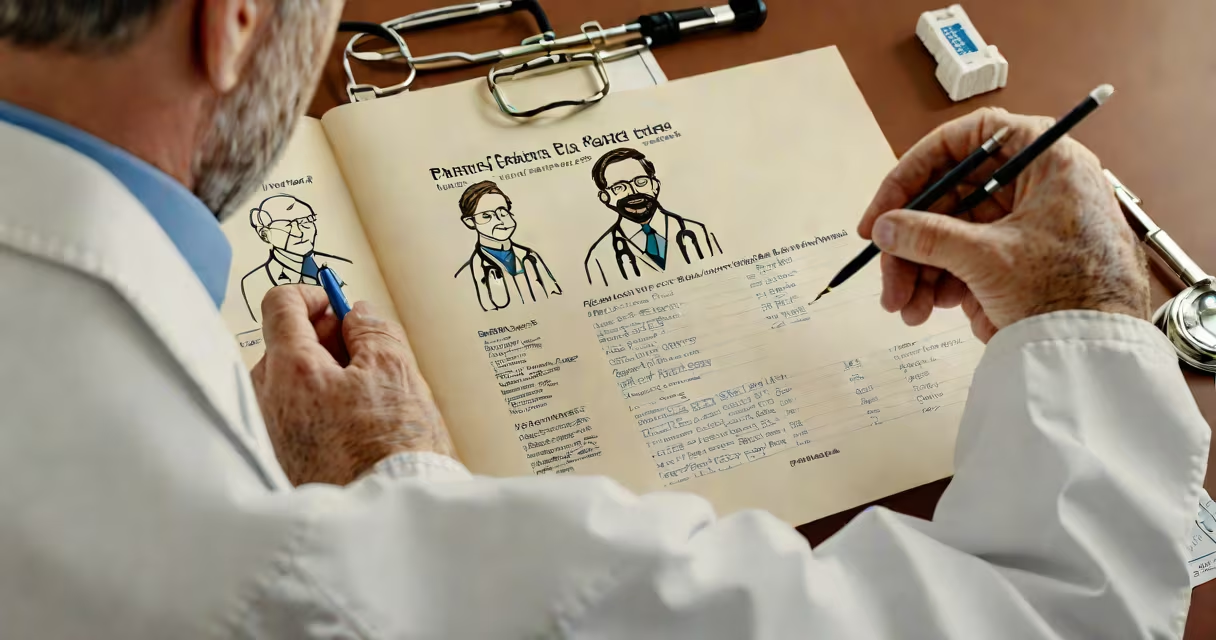
A physician is a licensed medical professional who diagnoses diseases, prescribes treatments, and manages patient care across various health settings. They complete medical school, residency training, and often specialize in areas like cardiology, pediatrics, or surgery.
Physicians assess symptoms through physical exams, lab tests, imaging, and patient history. Based on findings, they recommend medications, surgeries, lifestyle changes, or referrals to specialists. Their work spans outpatient clinics, hospitals, emergency rooms, and private practices.
According to the American Medical Association, physicians must maintain ongoing education to stay current with clinical guidelines and treatment protocols. This ensures accurate diagnosis and effective management of both acute and chronic conditions.
When a patient presents with fatigue, a physician begins with a detailed history-asking about sleep patterns, diet, stress levels, and recent life changes. They may order blood tests to check for anemia or thyroid dysfunction. If results show low iron, they prescribe supplements and schedule follow-ups.
In a hospital setting, a physician managing a pneumonia case orders chest X-rays, starts antibiotics, monitors oxygen levels, and adjusts treatment based on response. They coordinate with nurses, respiratory therapists, and pharmacists to ensure safe care delivery.
For complex cases, physicians consult with other specialists. A patient with uncontrolled diabetes might see an endocrinologist, while someone with heart failure could be referred to a cardiologist. The primary physician remains responsible for care coordination.
Physicians fall into two broad categories: primary care providers and specialists. Primary care physicians include family medicine doctors, internal medicine doctors, and pediatricians. They serve as first points of contact for most health concerns.
Specialists focus on specific systems or conditions. For example:
| Type | Focus Area | Example Procedure | Training Duration |
|---|---|---|---|
| Cardiologist | Heart and blood vessels | Coronary angioplasty | 3 years after internal medicine residency |
| Neurologist | Nervous system | EEG interpretation | 3 years after internal medicine or pediatrics |
| Orthopedic Surgeon | Bones and joints | Shoulder replacement surgery | 5 years of surgical residency |
Family medicine physicians treat patients of all ages and manage routine care such as vaccinations, annual checkups, and chronic disease monitoring. Internal medicine doctors focus on adults and handle complex medical issues like hypertension, COPD, and metabolic disorders.
One non-obvious distinction: not all physicians perform surgery. Only surgeons-such as general surgeons, neurosurgeons, and orthopedic surgeons-operate. A dermatologist, for instance, may remove skin lesions but does not perform open-heart procedures.
Physicians work in diverse environments. Community health centers rely on them to provide preventive care and manage population health. Academic medical centers employ physicians who conduct research and train residents. Urgent care clinics use them to triage injuries and infections.
In rural areas, a single physician may cover multiple roles-handling prenatal visits, treating minor injuries, and managing diabetes. The U.S. Department of Health and Human Services reports that 80% of rural counties face shortages of primary care physicians, increasing reliance on telehealth and mobile clinics.
During public health emergencies, physicians play critical roles. During the 2020-2022 pandemic, infectious disease specialists advised on isolation protocols, while hospital-based physicians managed ventilator use and sepsis treatment in intensive care units.
Physicians are often mistaken for physician assistants (PAs). While both diagnose and treat patients, PAs work under physician supervision. A PA cannot independently sign off on surgical procedures or prescribe controlled substances in all states.
According to the Accreditation Council for Graduate Medical Education (ACGME), PAs complete a master's program lasting about 26 months, whereas physicians attend four years of medical school followed by 3-7 years of residency. This difference in training leads to distinct scopes of practice.
Another frequent mix-up is confusing "physician" with "doctor." All physicians are doctors, but not all doctors are physicians. A dentist, for example, holds a doctoral degree (DDS), but does not hold an MD and is not trained in general medical care.
I once observed a patient in a rural clinic whose fever persisted despite antibiotic treatment. The physician ordered a CT scan, which revealed a brain abscess. Without immediate surgical intervention, the outcome would have been fatal. That case underscored how timely diagnosis and decision-making by a trained physician save lives.
Understanding what a physician does helps patients make informed choices about care. Whether managing a chronic illness or responding to an acute injury, physicians apply scientific knowledge, clinical judgment, and empathy to improve health outcomes.
What does a physician do? They evaluate, treat, and advocate for patients using evidence-based medicine. Their work shapes individual health and public well-being across communities nationwide.