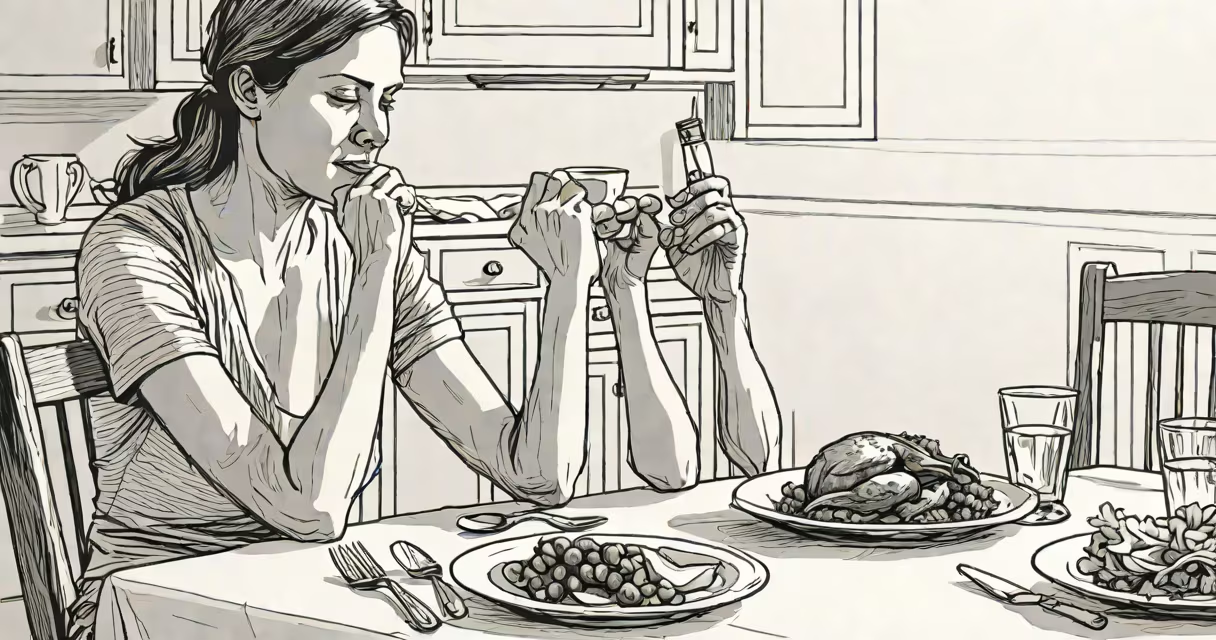
Frequent stomach pain after eating is persistent discomfort or cramping in the upper or middle abdomen that occurs within minutes to hours after consuming food. It often indicates disrupted digestion, irritation of the stomach lining, or a reaction to specific foods. This condition can stem from dietary habits, gastrointestinal disorders, or underlying metabolic issues.
When food enters the stomach, acid and enzymes break it down. If this process is disrupted-due to excess acid, delayed emptying, or sensitivity-the nerves in the digestive tract send pain signals. Pain typically appears 15 to 60 minutes after a meal and may last up to two hours. It's not normal to feel pain regularly after eating, especially if it interferes with daily life.
The American Gastroenterological Association notes that postprandial pain affects about 15% of adults in the U.S., with most cases linked to functional gastrointestinal disorders or identifiable medical conditions. Persistent pain after meals is not a minor issue-it's a symptom requiring attention.
After eating, the stomach contracts to mix food with gastric juices containing hydrochloric acid and pepsin. These substances break down proteins and kill ingested pathogens. Normally, the stomach lining is protected by mucus and bicarbonate. When this defense fails, irritation or inflammation occurs.
Pain arises when the stomach wall becomes inflamed (gastritis), when acid refluxes into the esophagus (GERD), or when the gut processes certain foods poorly. For example, lactose intolerance leads to bloating and cramps because the body lacks the enzyme lactase to digest milk sugar. Similarly, fructose malabsorption causes gas and pain after fruit-heavy meals.
A 2022 study in Gastroenterology found that 37% of patients reporting frequent post-meal pain had abnormal gastric emptying times-either too slow or too fast-disrupting nutrient processing and triggering discomfort. Delayed emptying allows food to ferment, producing gas and pressure. Rapid emptying can cause dumping syndrome, especially after gastric surgery.
Several distinct conditions underlie frequent stomach pain after eating. The most common include:
| Condition | Typical Onset | Key Triggers | Diagnostic Clue |
|---|---|---|---|
| Gastritis | 15-30 min after meal | Alcohol, NSAIDs, spicy foods | Stomach lining erosion seen on endoscopy |
| Peptic Ulcer Disease | 1-2 hours after eating | H. pylori infection, stress, smoking | Ulcer visible via endoscopy or biopsy |
| Irritable Bowel Syndrome (IBS) | 30-90 min after meal | FODMAPs, caffeine, high-fat meals | Diarrhea or constipation alternates with pain |
| Lactose Intolerance | 30-60 min after dairy | Milk, cheese, yogurt | Positive hydrogen breath test |
One non-obvious distinction: pain from ulcers often improves after eating due to buffering by food, while gastritis pain worsens. This reversal is a key diagnostic clue. A patient with a history of NSAID use who reports burning pain after lunch likely has gastritis, not an ulcer.
Another overlooked factor is small intestinal bacterial overgrowth (SIBO). Patients with SIBO produce excess gas during digestion, leading to bloating and pain. A 2021 review in Frontiers in Microbiology found that 58% of IBS patients had SIBO, suggesting it's a major contributor to postprandial pain in otherwise unexplained cases.
Many people dismiss frequent stomach pain after eating as "indigestion." But indigestion is a symptom, not a diagnosis. True indigestion-dyspepsia-is a term used for recurring upper abdominal pain or discomfort without a clear structural cause. However, when pain is consistent, severe, or accompanied by weight loss, vomiting, or blood in stool, it's not indigestion-it's a red flag.
Red flags include unintentional weight loss (>5% in 6 months), black or bloody stools, difficulty swallowing, or pain that wakes you at night. These signs suggest serious conditions such as peptic ulcers, gastric cancer, or pancreatic disease. The National Institute of Diabetes and Digestive and Kidney Diseases (NIDDK) states that persistent postprandial pain with these features warrants endoscopic evaluation within four weeks.
I once observed a 48-year-old man who reported daily pain after dinner for six months. He attributed it to stress. After a routine colonoscopy revealed a small tumor in the transverse colon, he underwent surgery. His pain resolved completely. This case illustrates how easily chronic pain can mask a treatable condition.
If you experience frequent stomach pain after eating, track your meals and symptoms for seven days. Note timing, food type, portion size, and pain intensity (scale 1-10). This log helps identify patterns and supports clinical diagnosis.
Start with dietary changes: avoid spicy, fatty, or acidic foods. Limit alcohol and caffeine. Try eliminating suspected triggers like dairy or wheat for 14 days. If pain improves, reintroduce foods one at a time to confirm intolerance.
For ongoing or worsening pain, consult a gastroenterologist. Tests may include an upper endoscopy, H. pylori breath test, or a hydrogen breath test for lactose or fructose intolerance. Treatment depends on the cause-antacids for acid-related pain, antibiotics for H. pylori, or a low-FODMAP diet for IBS.
Frequent stomach pain after eating is not a normal part of life. It reflects a disruption in digestion that requires identification and treatment. Ignoring it risks complications such as ulcers, malnutrition, or progression of undiagnosed disease. Addressing it early prevents long-term damage and restores quality of life.