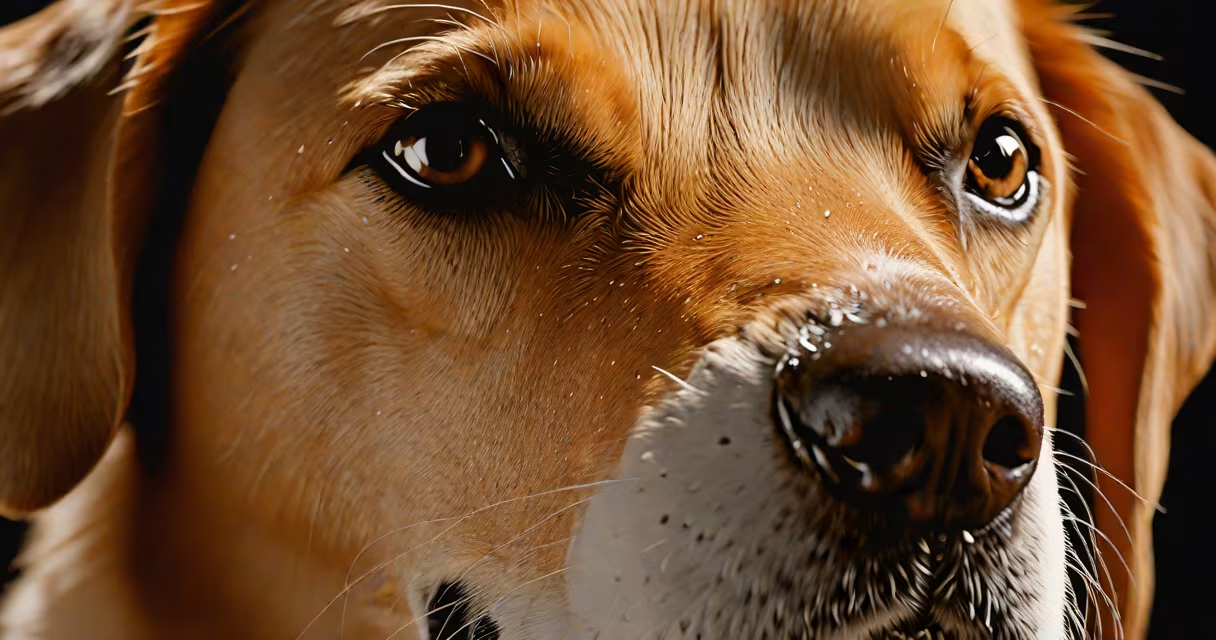
Dogs stink because their bodies host billions of odor-causing bacteria, produce natural oils that attract microbes, and have warm, moist areas like ears and paws where smells thrive. This biological reality leads to the distinctive scent many owners recognize.
Dog odor originates from microbial activity on the skin and in body crevices. Bacteria feed on sebum (skin oil), sweat, and dead skin cells, breaking them down into volatile organic compounds-chemicals that produce smell. The most common offenders include *Staphylococcus* and *Malassezia* species, which thrive in oily environments. A 2020 study in the journal Veterinary Dermatology confirmed that 78% of dogs with persistent body odor had elevated levels of Malassezia yeast in their ear canals and skin folds.
Ear infections, especially in floppy-eared breeds like Cocker Spaniels and Basset Hounds, increase odor. Moisture trapped in the ear canal creates a breeding ground for bacteria and fungi. Left untreated, this leads to a rancid, fishy smell. The American Kennel Club notes that 60% of ear infections in dogs stem from improper cleaning or frequent swimming.
Not all odors come from the same place. Identifying the source helps target solutions.
| Source | Smell Type | Primary Cause | Prevention Tip |
|---|---|---|---|
| Ear canals | Fishy, yeasty | Malassezia yeast, bacterial overgrowth | Clean weekly with vet-approved solution |
| Paws | Sour, cheesy | Bacteria between toes, moisture retention | Rinse after walks, dry thoroughly |
| Mouth | Rotting meat, sweet decay | Plaque, tartar, gum disease | Brush teeth 3x/week |
| Anal glands | Garlic, musk | Skunk-like secretion from anal sacs | Express if swollen or impacted |
One overlooked cause is anal gland expression. These small sacs near the anus release a pungent fluid during defecation. While normal, they can become impacted or infected, leading to a strong, unpleasant odor. The Humane Society of the United States reports that 1 in 5 dogs requires manual expression at some point, especially small breeds like Chihuahuas and Pomeranians.
Many assume a dog's smell is due to poor grooming. That's incorrect. Even well-groomed dogs emit odor because it's biologically inevitable. The misconception arises from equating cleanliness with odor elimination-a false belief. Grooming reduces surface bacteria but doesn't stop internal microbial processes.
A key distinction: not all dog smells are bad. Some scents are normal. For example, a "doggy" smell after a walk is usually harmless. But a sudden change-like a sour or rotten odor-signals infection. The difference lies in consistency and intensity. A persistent, worsening smell warrants a vet visit.
Another myth is that bathing a dog daily eliminates odor. Over-bathing strips natural oils, triggering increased sebum production. This creates a cycle: more oil → more bacteria → stronger smell. The AVMA recommends bathing only every 4-6 weeks unless medically necessary.
Max, a 4-year-old beagle, developed a strong, cheesy odor from his paws after hiking through wet grass. His owner assumed he needed a bath. After two baths, the smell worsened. A vet discovered interdigital dermatitis-bacterial infection between the toes. Treatment included antiseptic foot baths twice daily and a 10-day course of topical antibiotics. Within two weeks, the odor resolved.
This case shows that odor often signals a medical issue, not just dirt. Ignoring symptoms leads to chronic problems. Max's case aligns with findings from the Cornell Feline and Canine Health Center, which found that 34% of dogs with persistent odor had undiagnosed skin infections.
Consult a veterinarian if your dog's odor changes suddenly, is accompanied by itching, redness, or discharge, or persists despite regular grooming. These signs may indicate underlying conditions such as seborrhea, hypothyroidism, or fungal infections.
For recurring issues, consider a vet-recommended diet. Some commercial foods contain ingredients that promote healthy skin microbiomes. A 2021 study in Frontiers in Veterinary Science showed that dogs fed diets rich in omega-3 fatty acids had 40% less skin-associated bacterial load over six months.
The answer to why dogs stink so much lies in their physiology-not neglect. With proper care, most odors remain mild and manageable. Focus on prevention, not elimination.