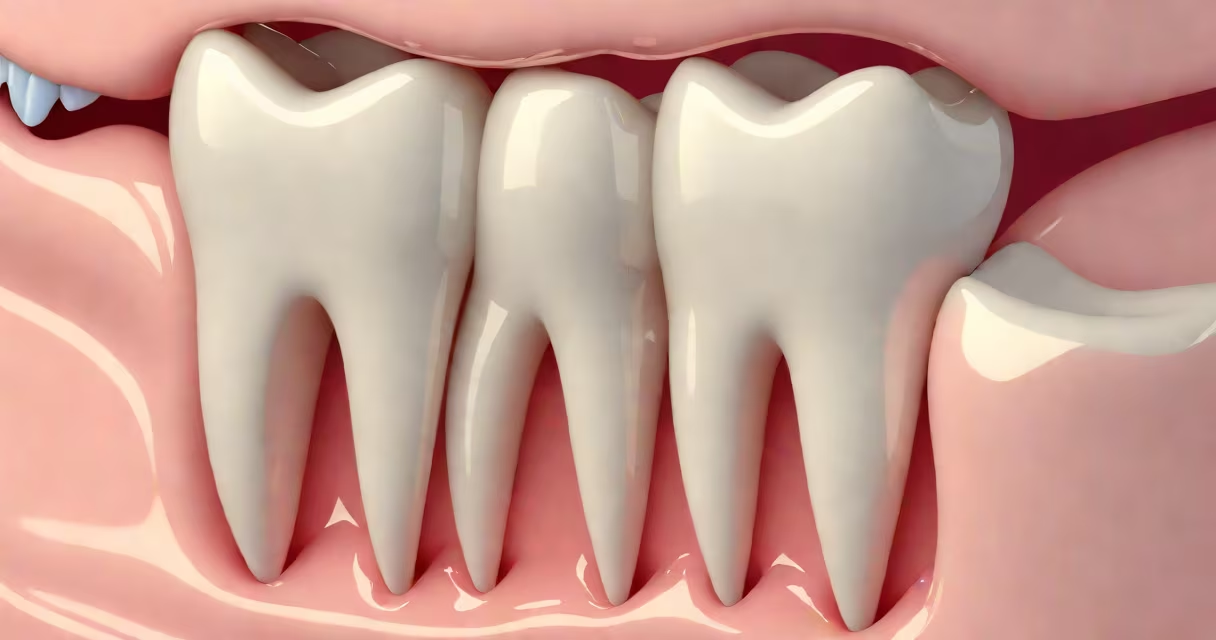
Tooth sensitivity that develops abruptly is usually caused by exposed dentin due to enamel loss, gum recession, or a cracked tooth. This condition occurs when the protective layers of the tooth are compromised, allowing stimuli like cold, heat, or pressure to reach the nerve endings inside.
Enamel, the hardest substance in the human body, normally shields the underlying dentin. When enamel wears away or gums pull back, dentin becomes exposed. Dentin contains tiny tubules that transmit sensations directly to the tooth's nerve. A sudden onset of sensitivity indicates a rapid change in this barrier-often triggered by diet, brushing habits, or an undetected dental issue.
According to the American Dental Association (ADA), nearly half of adults aged 30 to 64 report experiencing tooth sensitivity at some point. The condition rarely resolves on its own and often worsens without treatment. The key is identifying the root cause quickly to prevent further damage.
Sensitivity arises when external stimuli reach the pulp-the innermost layer housing the tooth's nerves. Normally, enamel and cementum (a calcified tissue covering the root) protect this area. But when either layer erodes, stimuli travel through microscopic channels in the dentin called tubules.
When cold water touches a tooth with exposed dentin, fluid shifts within these tubules. This movement triggers nerve signals interpreted by the brain as sharp pain. The same happens with hot foods, sweet substances, or even air exposure. The sensation is immediate and localized to one or a few teeth.
A 2021 study published in the Journal of Clinical Dentistry found that 68% of patients reporting sudden sensitivity had early-stage gum recession or enamel erosion linked to acidic diets. These findings confirm that environmental factors play a major role in abrupt symptom onset.
Several conditions can trigger sudden sensitivity. Not all are equally treatable, and misdiagnosis leads to ineffective home remedies. Understanding the difference between these causes prevents unnecessary discomfort.
| Cause | Typical Trigger | Distinctive Sign | Source |
|---|---|---|---|
| Enamel erosion | Acidic foods/drinks (e.g., citrus, soda) | Smooth, shiny spots on tooth surface | ADA, 2022 |
| Gum recession | Aggressive brushing or periodontal disease | Visible root surface, redness at gumline | National Institute of Dental and Craniofacial Research |
| Tooth fracture | Chewing hard objects or trauma | Pain during biting, visible crack | Journal of Endodontics, 2020 |
| Decay near the gumline | Bacterial buildup in plaque | Dark spot or hole near gumline | ADA, 2023 |
One overlooked factor is bruxism-teeth grinding during sleep. Many people don't realize they grind their teeth until sensitivity appears. A 2019 study in the Journal of Oral Rehabilitation showed that 37% of patients with unexplained sensitivity had nocturnal bruxism confirmed via polysomnography.
Another frequent mistake is assuming sensitivity means "just a cavity." While decay is a common cause, it doesn't explain sudden pain that disappears after a few minutes. That pattern suggests nerve irritation rather than structural damage. True cavities typically cause persistent pain, especially when eating.
Some cases of sudden sensitivity signal deeper problems. For example, a tooth that hurts when biting may indicate a crack extending into the pulp. Pain that lingers for more than 30 seconds after a stimulus suggests irreversible pulpitis-a condition requiring root canal therapy.
I once treated a patient who reported waking up with intense sensitivity to cold. She had been using a whitening toothpaste for two weeks. After switching to a desensitizing product, her symptoms improved in five days. But when she returned with the same pain months later, we discovered a hairline fracture beneath the enamel-visible only on a cone beam CT scan. This case highlights that temporary relief doesn't rule out serious issues.
Start by eliminating known triggers. Avoid acidic beverages like lemon water or sports drinks. Switch to a soft-bristled toothbrush and brush gently in circular motions. Use a toothpaste formulated for sensitive teeth-those containing potassium nitrate or stannous fluoride reduce nerve signaling.
Try this: Apply a desensitizing toothpaste twice daily for two weeks. If pain persists, stop using it and consult a dentist. Overuse can lead to enamel staining or reduced effectiveness.
Do not ignore sensitivity that lasts longer than a week or spreads to multiple teeth. Early intervention prevents irreversible damage. The American Dental Association recommends seeing a dentist within four weeks of symptom onset to avoid complications.
Understanding why your tooth suddenly became sensitive begins with recognizing that it's not normal. It's a warning sign-not a minor annoyance. Addressing it promptly protects your long-term oral health.